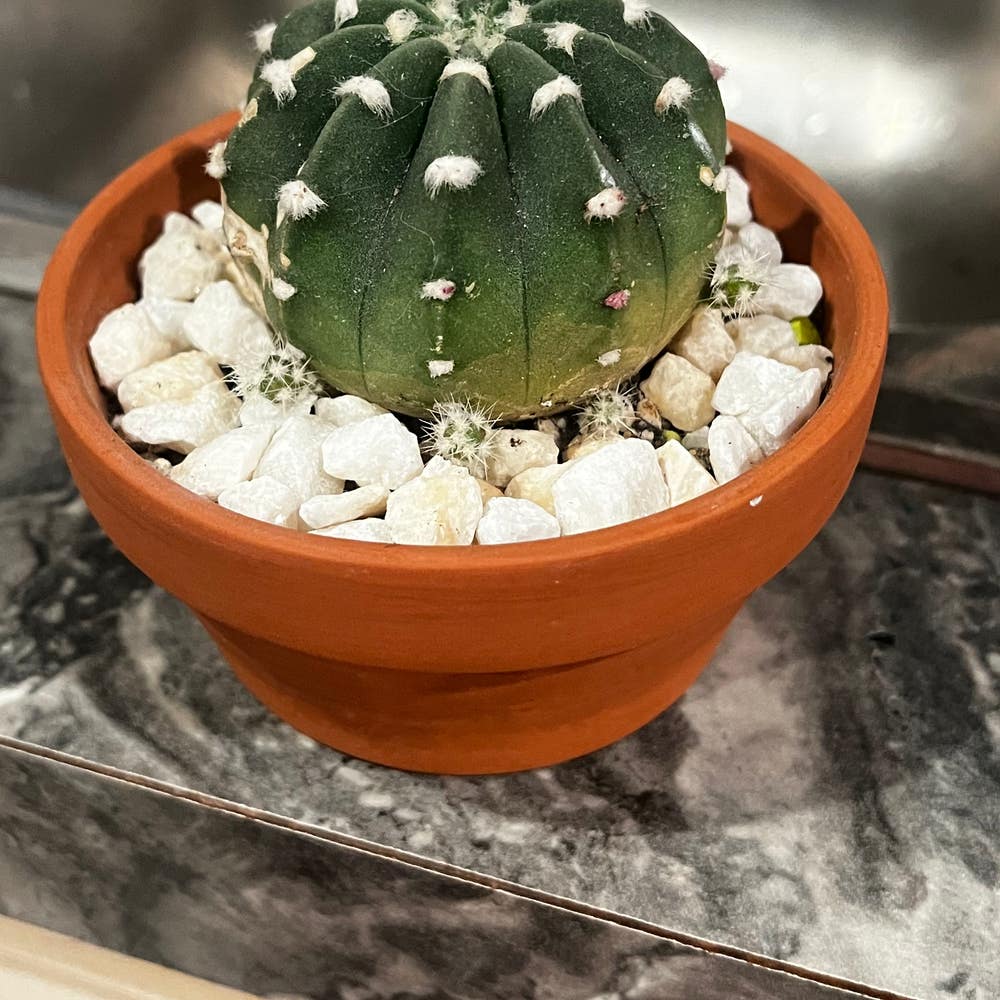
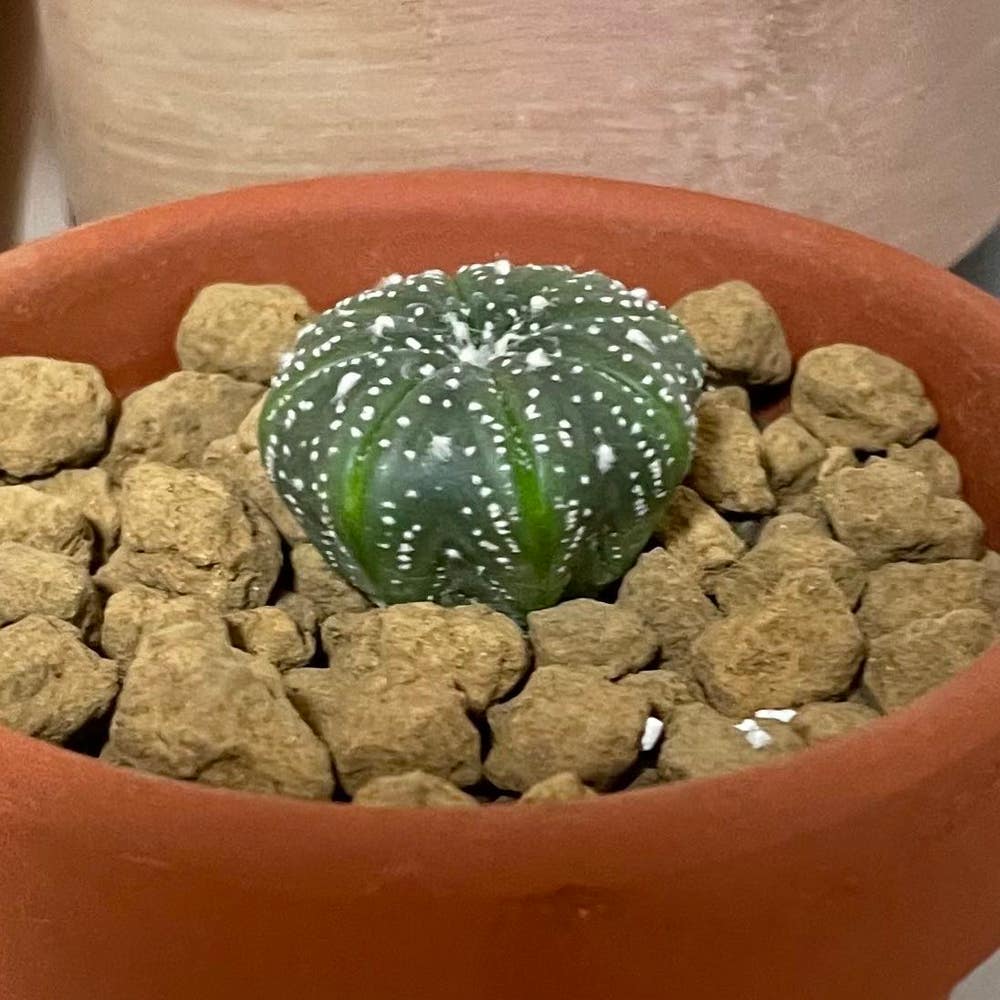
Optimal Hardiness Zones for Sand Dollar Cactus: 8b-11b 🌵
Astrophytum asterias
By the Greg Editorial Team
Sep 30, 2024•4 min read
This article was created with the help of AI so we can cover more plants for you. May contain errors. See one? Report it here.
- 🌵 Sand Dollar Cactus thrives in zones 8b-11b, perfect for warmer climates.
- 🌞 Requires full sun for 6-8 hours daily to ensure robust growth and flowering.
- 💧 Low watering needs make it drought-resistant, ideal for arid environments.
Temperature Tolerance
❄️ Cold Tolerance Specifics
The Sand Dollar Cactus thrives in hardiness zone 8b, where it can withstand minimum temperatures of 15°F (-9°C). To survive frost conditions, this cactus has developed adaptations such as a thick, waxy coating that helps retain moisture and protect against freezing temperatures.
🔥 Heat Tolerance Specifics
On the flip side, the Sand Dollar Cactus can handle maximum temperatures reaching up to 100°F (38°C) and even higher. This heat is crucial for its optimal growth and flowering, making it a resilient choice for warmer climates.
🌡️ Ideal Temperature Ranges for Growth
For the best growth, the Sand Dollar Cactus prefers an optimal temperature range of 70°F to 90°F (21°C to 32°C). However, fluctuations outside this range can impact its growth patterns, potentially stunting development or causing stress.
Understanding these temperature tolerances is essential for successful cultivation. With the right conditions, your Sand Dollar Cactus can thrive beautifully in your garden.
Ideal Regions for Growth
🌵 Examples of US States in Suitable Hardiness Zones (8b-11b)
The Sand Dollar Cactus thrives in several states that fall within hardiness zones 8b to 11b.
- California: This state offers a mix of coastal and desert regions, providing the perfect environment for these cacti to flourish.
- Arizona: Known for its desert landscapes, Arizona's warm climates are ideal for optimal growth.
- Texas: The southern regions of Texas boast warm temperatures that support the health of the Sand Dollar Cactus.
🌞 Factors Contributing to Ideal Growing Conditions
To cultivate Sand Dollar Cactus successfully, certain environmental factors are crucial.
- Soil: Well-draining sandy or rocky soils are essential. These types of soil prevent water retention, which can lead to root rot.
- Sunlight: Full sun exposure for 6-8 hours daily is vital. This sunlight encourages robust growth and vibrant flowering.
- Moisture: The cactus has low to moderate watering needs. Its drought-resistant characteristics make it well-suited for arid environments.
Understanding these ideal regions and conditions can help you create a thriving environment for your Sand Dollar Cactus. With the right setup, you can enjoy the beauty and resilience of this unique plant.
Microclimates and Their Impact
🌍 How Microclimates Can Extend Growing Range
Microclimates are localized areas where the climate differs from the surrounding region. Factors like elevation, proximity to water, and urban heat islands play a significant role in creating these unique environments.
For the Sand Dollar Cactus, microclimates can be a game-changer. They provide warmer temperatures and protection from harsh weather, allowing these cacti to thrive beyond their typical hardiness zones.
🌿 Examples of Beneficial Microclimates
Urban gardens often feature reflective surfaces that absorb and radiate heat. This can create a warmer environment, perfect for nurturing Sand Dollar Cacti.
Areas near south-facing walls are also advantageous. These walls retain heat, providing a cozy microclimate that helps the cactus flourish.
Coastal regions are another excellent example. They typically offer moderated temperatures, reducing the risk of extreme heat or cold, which is ideal for the Sand Dollar Cactus.
Understanding microclimates can significantly enhance your gardening success. By leveraging these localized conditions, you can create an optimal environment for your Sand Dollar Cactus, ensuring it thrives beautifully.
Next, let’s explore the state-level suitability analysis for this resilient plant.
State-Level Suitability Analysis
List of States Suitable for Sand Dollar Cactus (8b-11b) 🌵
The Sand Dollar Cactus thrives in several states within hardiness zones 8b to 11b. Here are the top contenders:
- California: Ideal for coastal and desert regions.
- Arizona: Perfect for its warm desert landscapes.
- Texas: Southern areas provide the warmth needed.
- Florida: Humid yet suitable for cacti in certain regions.
- New Mexico: Offers the right conditions for growth.
List of States Unsuitable for Sand Dollar Cactus and Reasons Why 🚫
Not every state can support the Sand Dollar Cactus. Here’s a look at those that fall short:
- New York: Temperatures often drop below 15°F (-9°C), making it too cold.
- Minnesota: Extended frost periods and harsh winters are detrimental.
- Louisiana: High moisture levels can harm cactus health, as they prefer drier conditions.
Discussion of Frost Dates in Relation to Growing Conditions ❄️
Understanding frost dates is crucial for successful cactus cultivation. The first and last frost dates can significantly impact growth.
For states like California and Arizona, typical frost dates are generally mild, allowing for longer growing seasons.
To protect your Sand Dollar Cactus from unexpected frost, consider using frost cloths or moving potted plants indoors during cold snaps.
With the right knowledge and care, you can cultivate these resilient cacti in suitable regions while avoiding the pitfalls of unsuitable climates.
⚠️ Safety First
This content is for general information and may contain errors, omissions, or outdated details. It is not medical, veterinary advice, or an endorsement of therapeutic claims.
Always consult a qualified healthcare professional before using any plant as food, medicine, or supplement.
Never eat any plant (or feed one to pets) without confirming its identity with at least two trusted sources.
If you suspect poisoning, call Poison Control (800) 222-1222, the Pet Poison Helpline (800) 213-6680, or your local emergency service immediately.
Spotted an error? Please report it here.
Cultivating the stunning Sand Dollar Cactus 🌵 is a breeze with Greg's tailored reminders and tips, ensuring it thrives in your garden's warm, sunny spots!