🌵 Common Sand Dollar Cactus Problems
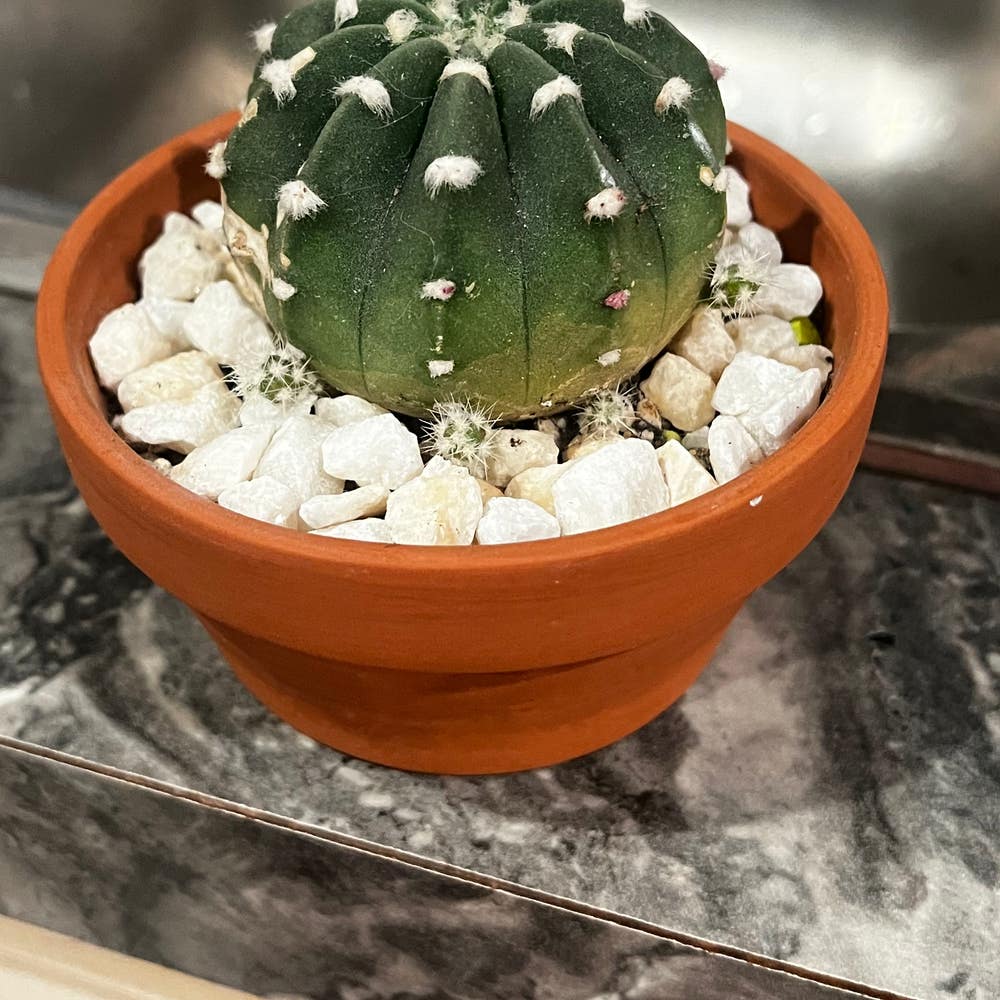
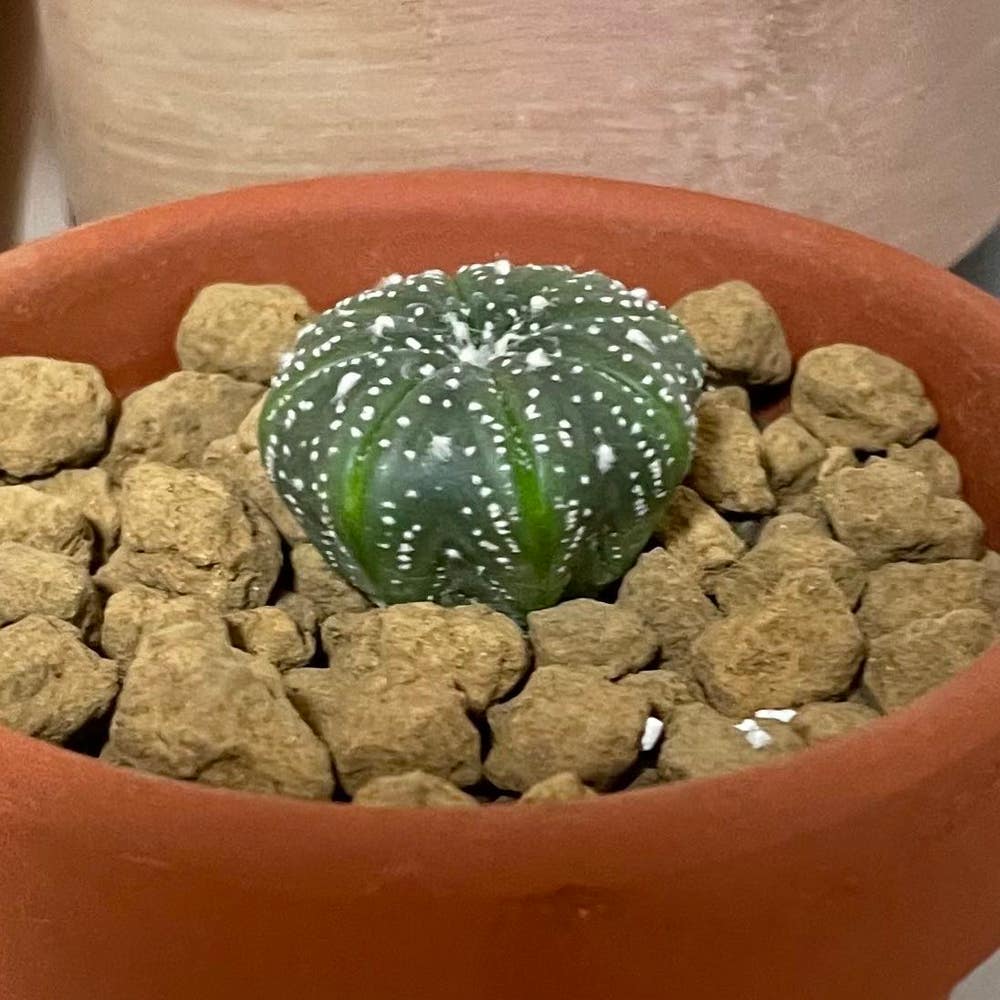
Astrophytum asterias
By the Greg Editorial Team
Jun 18, 2024•4 min read
This article was created with the help of AI so we can cover more plants for you. May contain errors. See one? Report it here.
- 🌵 Over-watering? Yellow stems and mushiness signal it's time to dry out.
- 🌞 Sunburnt cactus? Relocate for indirect light or use sheer curtains.
- ❄️ Cold causing wilt? Keep cacti in consistent, draft-free climates.
When Water Works Against You
💧 Over-watering Woes
Yellowing stems and a mushy texture are your cactus's way of saying it's had too much to drink. If your plant smells worse than last week's leftovers, it's time to rethink your watering strategy.
To dry out the drama, let the soil become as dry as a comedian's humor before watering again. Make sure your pot isn't holding water like a dam; proper drainage is crucial. Remember, your cactus's thirst isn't on a timetable; water needs vary with the seasons.
💦 The Thirsty Cactus Conundrum
When you spot crispy stems and your cactus looks more wilted than a forgotten salad, it's begging for water.
Quenching the thirst involves finding that watering sweet spot. Wait until the top inch of soil is as dry as a desert dune before giving it a drink. Watch your cactus's reaction closely; it's a living indicator of its own needs. Adjust your watering habits to your cactus's lifestyle, not the other way around.

Light and Temperature Tango
🌞 Sunburnt and Shady Situations
Burnt spots and faded leaves are telltale signs that your Sand Dollar Cactus is getting too much sun. The damage appears as bleached areas or crispy edges, a clear signal to dial back on the light exposure.
To balance sunlight, consider relocating your cactus to a spot with bright, indirect light. If that's not possible, use sheer curtains to filter the intense rays, providing a much-needed respite for your sun-struck succulent.
❄️ Chilly Cactus Crisis
When temperatures drop, your cactus might exhibit wilting or dark, soggy spots. This is the plant's way of saying it's too cold and needs a warmer environment.
Stable temperatures are key to avoiding temperature stress. Keep your cactus away from drafty areas and maintain a consistent climate. If the heat rises, shade and hydration become crucial, akin to a cactus day spa. Remember, sudden temperature changes are the enemy—consistency is your friend.

Uninvited Guests and Unseen Enemies
🐜 Pesty Predicaments
Tiny critters like spider mites and mealybugs can turn your Sand Dollar Cactus into an all-you-can-eat buffet. Webbing, spots, or the bugs themselves are telltale signs of an infestation. To evict these freeloaders, insecticidal soaps or neem oil are your go-to bouncers.
🚫 Prevention is better than cure. Keep a vigilant eye on your cactus, especially when introducing new plants to your collection. Quarantine newcomers to prevent any tag-along pests from spreading. Encourage beneficial insects; they're like the secret service of your plant world, taking out the bad guys discreetly.
🍄 Fungus Among Us
Mold and fungus are the silent party crashers. Yellowing leaves or fuzzy growths are your red flags. To combat these, increase airflow around your cactus. Consider a fungicide if things get out of hand, but remember, good circulation is key to keeping mold at bay.
🔍 Regular check-ups are crucial. Inspect your cactus for any signs of mold or pests. Catching these issues early means less drama and more thriving for your spiky friend. Remember, a clean and well-ventilated environment is your best defense against these unseen enemies.

Root Rot: The Undercover Assassin
🕵️♂️ Root Inspection: Unearthing the Signs of Root Rot
Soft, discolored roots are the hallmarks of root rot. When your Sand Dollar Cactus starts to look less like a desert dweller and more like a swamp creature, it's time to act. Trust your nose; a healthy cactus smells like dry earth, not a decaying swamp.
💉 Saving the Roots: Steps to Rescue Your Cactus from the Rot
Unpot your cactus with the delicacy of a bomb squad technician. If the roots are mushier than overcooked noodles, it's time for surgery. Sterilize your scissors and cut away the rot like you're carving a Halloween pumpkin—only the good parts should remain. After the operation, give your cactus a fresh start in well-draining soil and avoid watering it like it's a tomato plant. Keep the soil as dry as a witty comeback, and you might just pull off a plant resurrection.
⚠️ Safety First
This content is for general information and may contain errors, omissions, or outdated details. It is not medical, veterinary advice, or an endorsement of therapeutic claims.
Always consult a qualified healthcare professional before using any plant as food, medicine, or supplement.
Never eat any plant (or feed one to pets) without confirming its identity with at least two trusted sources.
If you suspect poisoning, call Poison Control (800) 222-1222, the Pet Poison Helpline (800) 213-6680, or your local emergency service immediately.
Spotted an error? Please report it here.
Ensure your sand dollar cactus avoids common pitfalls 🌵 with Greg's tailored watering reminders and care tips, keeping it healthy and robust.