Why Are My Sand Dollar Cactus Leaves Droopy? 😔
Astrophytum asterias
By the Greg Editorial Team
Jun 18, 2024•5 min read
This article was created with the help of AI so we can cover more plants for you. May contain errors. See one? Report it here.
- Droopy leaves signal distress; don't ignore persistent droopiness.
- 🌵 Balance watering; mimic desert rains for Sand Dollar Cactus health.
- Proper soil, pot, and environment are key to preventing droopiness.
Spotting the Trouble
🚩 Signs Your Sand Dollar Cactus Is Unhappy
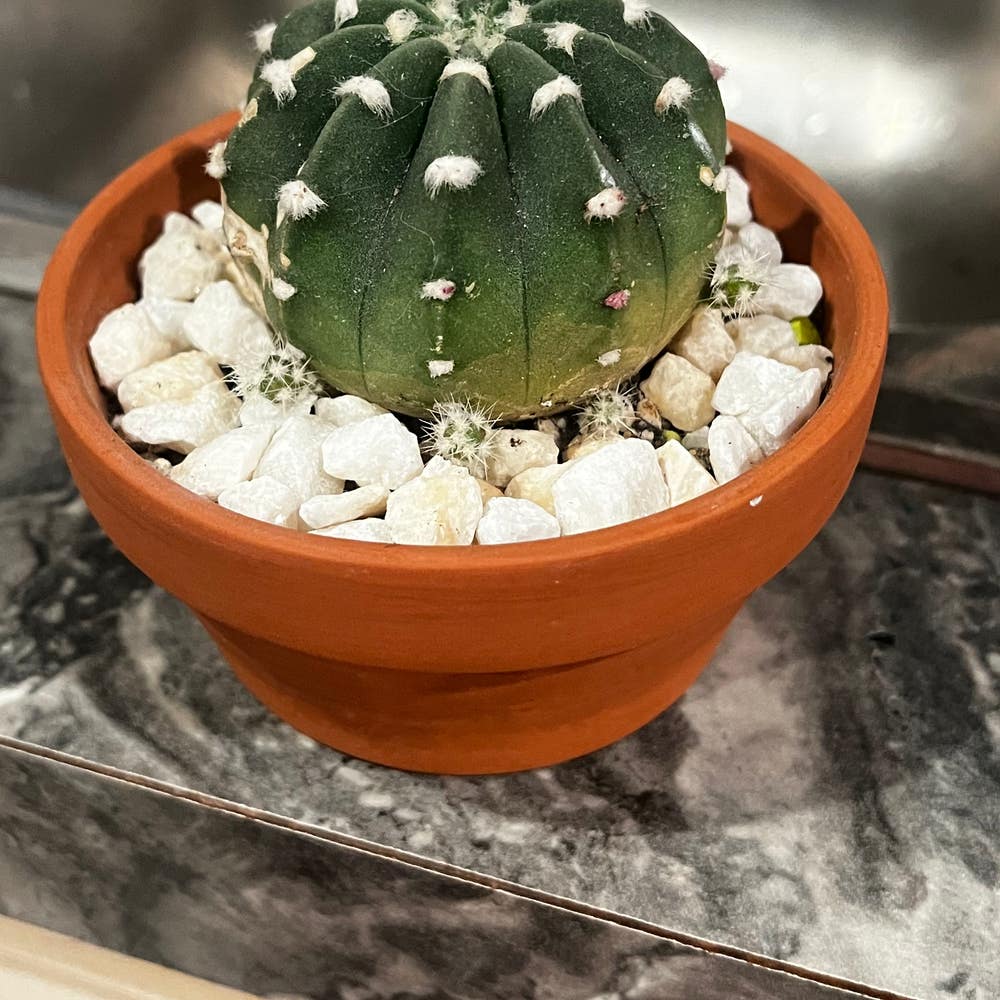
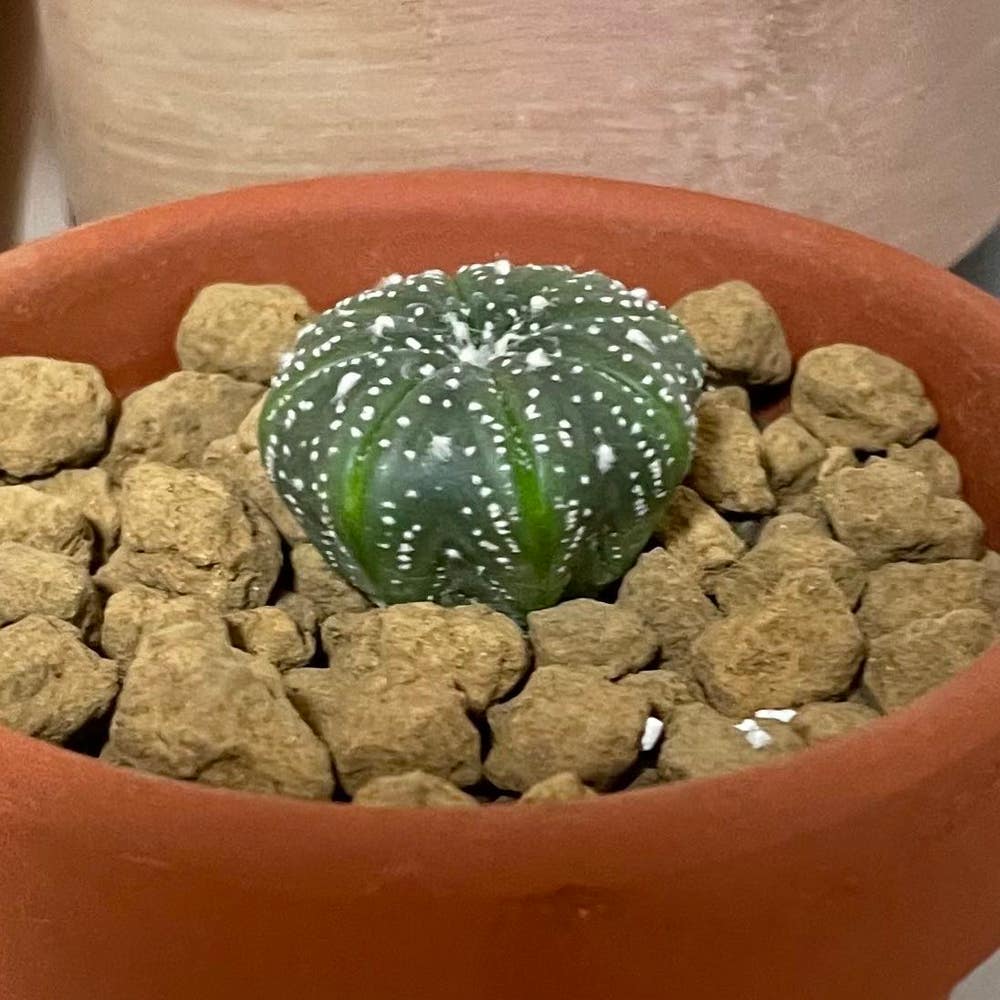
When your Sand Dollar Cactus starts resembling a deflated beach ball, it's time to take note. Droopy leaves that once stood proud and perky are a clear signal your cactus could be in distress. This isn't just a case of the Mondays; it's a cry for help.
🕵️ Visual Cues of Droopiness
A droop here and there might not ring alarm bells, but when your cactus slouches consistently, it's not slacking off—it's likely struggling. Persistent droopiness is the visual cue that shouldn't be ignored.
🌱 Differentiating Between Natural Growth and Problematic Drooping
Don't mistake a growth spurt for a slump. Sand Dollar Cacti can have a natural lean as they reach for the light. However, if the leaves are more limp noodle than elegant arch, it's time to investigate further. Remember, a healthy cactus stands its ground, it doesn't wave a white flag.

Rooting Out the Causes
💧 When Too Much Love Drowns: Overwatering Woes
Soggy soil and limp leaves are your Sand Dollar Cactus crying out for help. Overwatering leads to a lack of leaf rigidity, turning your plant's once perky leaves into a droopy disappointment. Brown spots with a yellow halo are the red flags of distress, signaling it's time to reassess your watering habits.
Root rot is the silent assassin lurking beneath the surface, a result of excessive moisture that invites harmful fungi to feast on your cactus's roots. If the soil emits a musty smell or you notice a mushy base, it's a clear sign of root rot, and immediate action is required.
🏜️ Thirsty for Attention: The Underwatering Problem
Conversely, underwatering can also lead to droopy leaves. A Sand Dollar Cactus deprived of water is like a neglected conversation—bound to wilt away. Dry soil and leaves that feel like they've been on a diet of air are your cue to up the watering ante.
Finding the sweet spot for watering is key; too little and your cactus droops, too much and you risk root rot. Regular checks of the soil moisture are non-negotiable. It's a delicate balance, but one that's crucial for the perkiness of your prickly friend.

Soil and Surroundings: Environmental Factors
🚰 The Perils of Poor Drainage
Waterlogged soil is the enemy of the Sand Dollar Cactus, leading to droopy leaves as a distress signal. If your cactus is sagging, it's time to reassess the drainage situation.
💡 Quick Fixes for Improving Soil Drainage
Mix in perlite or coarse sand to give your soil the drainage it craves. Consider a pot with better drainage holes to prevent a soggy situation.
🌞 Keeping It Comfy: Temperature and Light
Environmental stress, like dramatic temperature fluctuations or incorrect lighting, can make your cactus leaves droop like they've given up.
🌡️ Temperature Tips
Keep your cactus in a stable environment—away from drafts and direct heat sources that could cause stress.
⛅️ Light Advice
Bright, indirect light is the sweet spot for your Sand Dollar Cactus. Direct sunlight can be too intense, leading to a sad, droopy plant.

Bouncing Back: Revival and Prevention Strategies
💧 Fine-Tuning Your Watering Technique
Watering your Sand Dollar Cactus isn't rocket science, but it does require a bit of finesse. The goal is to mimic desert downpours followed by droughts. Wait until the top inch of soil feels like a dry martini before you even think about watering again. During the winter snooze-fest, dial back the drinks. Your cactus isn't partying as hard and doesn't need as many refreshments.
🛠️ Tools and Tricks for Moisture Management
Get your hands on a moisture meter if you're the type that needs gadgets. It's like a cactus thirst detector. Otherwise, trust the good old finger test. If the soil sticks to your finger like unwanted gum, hold off on the H2O. And for Pete's sake, use a pot with drainage holes—no cactus enjoys wet feet.
🌱 Soil and Pot Considerations
Choosing the right soil mix is like casting for a blockbuster movie; get it wrong, and the whole thing flops. Aim for a mix that's one part excitement (nutrients) and three parts chill (drainage). Perlite, sand, or pumice will keep it light and airy, like your cactus's favorite cocktail.
🏺 The Right Pot for the Job
When it comes to pots, size matters, but bigger isn't always better. A pot too large is like an oversized hat—it looks ridiculous and can drown the roots in soil. Go for a snug fit with room to grow, and always, always choose one with drainage holes. It's non-negotiable.
🌿 Repotting: A Fresh Start
Repotting is like a spa day for your cactus—refreshing but not too frequent. Do it when your cactus seems to be bursting at the seams of its pot, or every couple of years to refresh the soil. Be gentle with the roots; they're tough but not indestructible. And after the move, give it time to acclimate before watering—think of it as letting the cactus settle into its new digs.
⚠️ Safety First
This content is for general information and may contain errors, omissions, or outdated details. It is not medical, veterinary advice, or an endorsement of therapeutic claims.
Always consult a qualified healthcare professional before using any plant as food, medicine, or supplement.
Never eat any plant (or feed one to pets) without confirming its identity with at least two trusted sources.
If you suspect poisoning, call Poison Control (800) 222-1222, the Pet Poison Helpline (800) 213-6680, or your local emergency service immediately.
Spotted an error? Please report it here.
Ensure your Sand Dollar Cactus stands tall and thrives 🌵 with Greg's custom watering reminders and soil moisture tips from this care guide.