🏖 Soil Recommendations for Sand Dollar Cactus
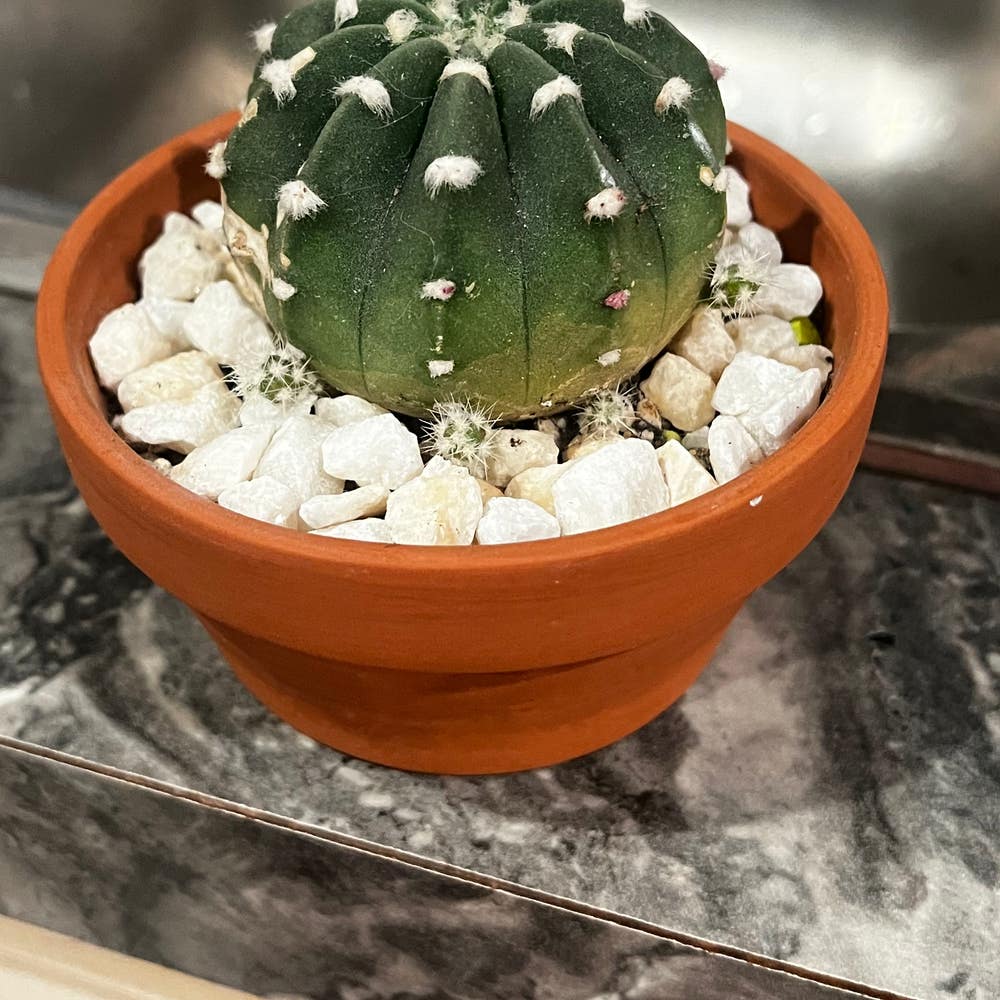
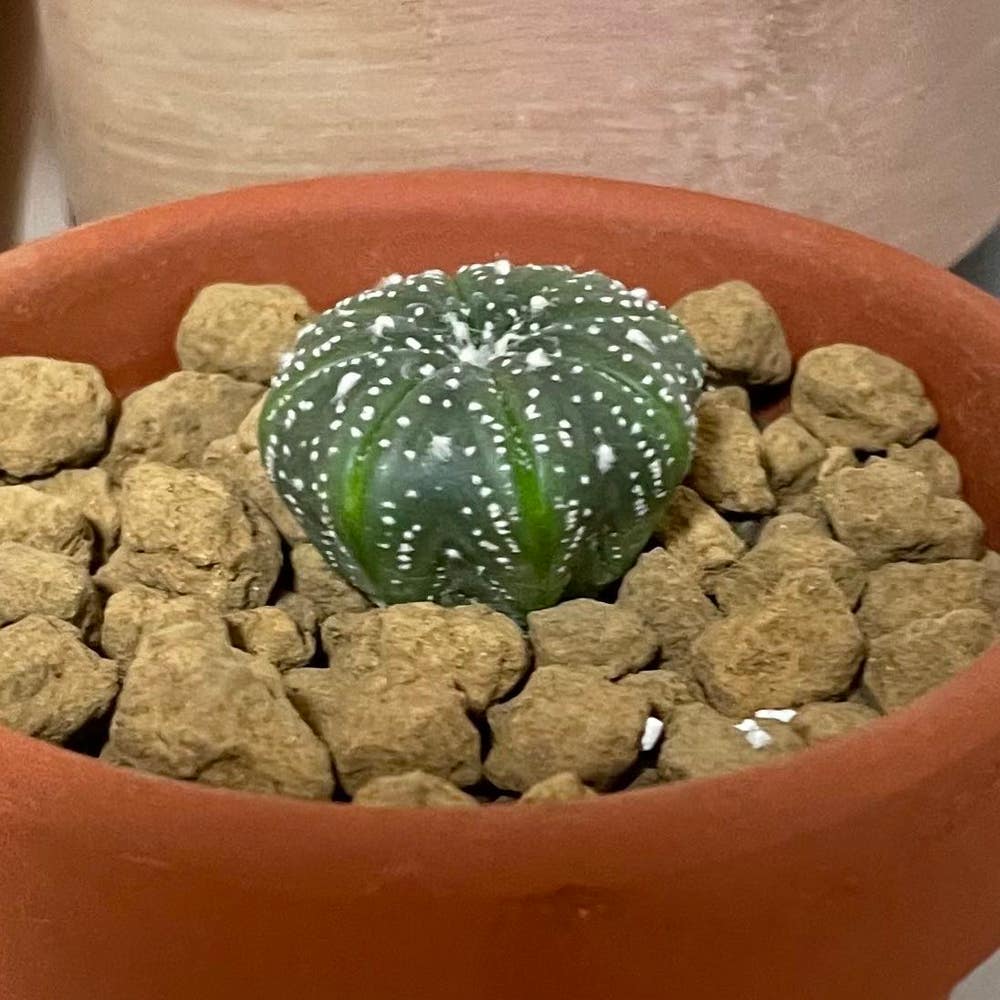
Astrophytum asterias
By the Greg Editorial Team
Jun 18, 2024•3 min read
This article was created with the help of AI so we can cover more plants for you. May contain errors. See one? Report it here.
- Mold and musty smells signal it's time to refresh cactus soil.
- Perlite, coarse sand, pumice are key for the ideal soil mix.
- Repot when growth halts or roots peek out, using a dry, well-draining mix.
Spotting and Fixing Soil No-Nos
🚩 Recognizing Trouble in Paradise
Mold on your Sand Dollar Cactus soil is like an uninvited guest at a party – unwelcome and a sign of trouble. It's the white flag of surrender from your plant, indicating too much moisture. Foul odors or a musty smell from the soil are distress signals; they're your cue that the soil is crying out for a change.
🔄 Turnaround Tactics for Troubled Soil
Quick fixes for mold include reducing watering and increasing air circulation. Sunlight is the enemy of mold, so make sure your cactus gets plenty of it. If the mold persists, it's time for a soil transplant. Gently remove your cactus, shake off the compromised soil, and introduce it to a fresh, well-draining mix. Remember, dry is the new black for cactus soil.
Improving drainage is key to preventing soggy soil syndrome. If your cactus is sitting in moisture like a duck in a pond, it's time to mix in some perlite or pumice. These ingredients let water flow freely, preventing root rot and the dreaded mushy cactus base. Keep the watering to a minimum – think of it as a rare treat, not a daily meal.

Crafting the Ultimate Sand Dollar Cactus Soil Mix
🏜️ The Must-Have Ingredients
Mineral content is non-negotiable for replicating the Sand Dollar Cactus's native terrain. Perlite, coarse sand, and pumice are the trifecta of success for your spiny friend. These ingredients prevent water from overstaying its welcome, which is crucial because nobody likes a soggy cactus.
🍽️ Mixing It Up at Home
Grab your gloves; it's time to play dirt chef. Start with a three-part potting soil base—this is your cactus mix's bread and butter. Next, throw in an equal amount of coarse sand for that gritty texture cacti adore. Now, for the secret sauce: mix in one part perlite. Think of it as the fluffy pillow for your cactus's roots, providing aeration and preventing soil compaction.
Balance is key. You're aiming for a mix that's more 'desert dunes' than 'beach party'. If your soil feels more like a wet blanket than a sandy siesta, add more perlite. It's like adjusting the seasoning in a stew until it's just right. Remember, you're not baking a cake—precision is good, but don't stress about hitting the exact measurements. Your cactus won't whip out a ruler.
Pro tip: Keep an eye on the pH level. You want it as balanced as a tightrope walker, somewhere between 6.0 and 7.5. If you need to tweak it, limestone is your friend for raising the pH, while sulfur is your go-to for bringing it down.

When to Repot with Fresh Soil
⏰ Timing is Everything
- Spring and summer offer the best conditions for repotting your Sand Dollar Cactus.
- Look for exhausted soil that can't hold water or nutrients, roots peeking out of the pot, or a cactus that's stopped growing.
🌵 Repotting the Right Way
- Ensure the soil is bone-dry before repotting to protect the roots.
- Use a well-draining cactus mix to give your plant a fresh start.
- Handle your cactus with care during the transition, and wait a few weeks before watering.
- Post-repotting, place your cactus in a spot with indirect sunlight to avoid stress.
- Watch for new growth as a sign of successful repotting, but be ready to troubleshoot any brown spots or signs of distress.

⚠️ Safety First
This content is for general information and may contain errors, omissions, or outdated details. It is not medical, veterinary advice, or an endorsement of therapeutic claims.
Always consult a qualified healthcare professional before using any plant as food, medicine, or supplement.
Never eat any plant (or feed one to pets) without confirming its identity with at least two trusted sources.
If you suspect poisoning, call Poison Control (800) 222-1222, the Pet Poison Helpline (800) 213-6680, or your local emergency service immediately.
Spotted an error? Please report it here.
Transform your sand dollar cactus's home into a desert oasis with Greg's custom soil mix tips 📊 and reminders to ensure the ideal dry, well-draining environment it loves.