Sand Dollar Cactus: A Perennial Plant
Astrophytum asterias
By the Greg Editorial Team
Sep 30, 2024•6 min read
This article was created with the help of AI so we can cover more plants for you. May contain errors. See one? Report it here.
- 🌵 Sand Dollar Cactus resembles a sand dollar, adding unique beauty to your garden.
- 💧 This perennial plant thrives in arid conditions, showcasing remarkable drought resilience.
- 🌼 With proper care, it can live over a decade, rewarding gardeners with longevity.
Characteristics of Sand Dollar Cactus as a Perennial
Unique Features 🌟
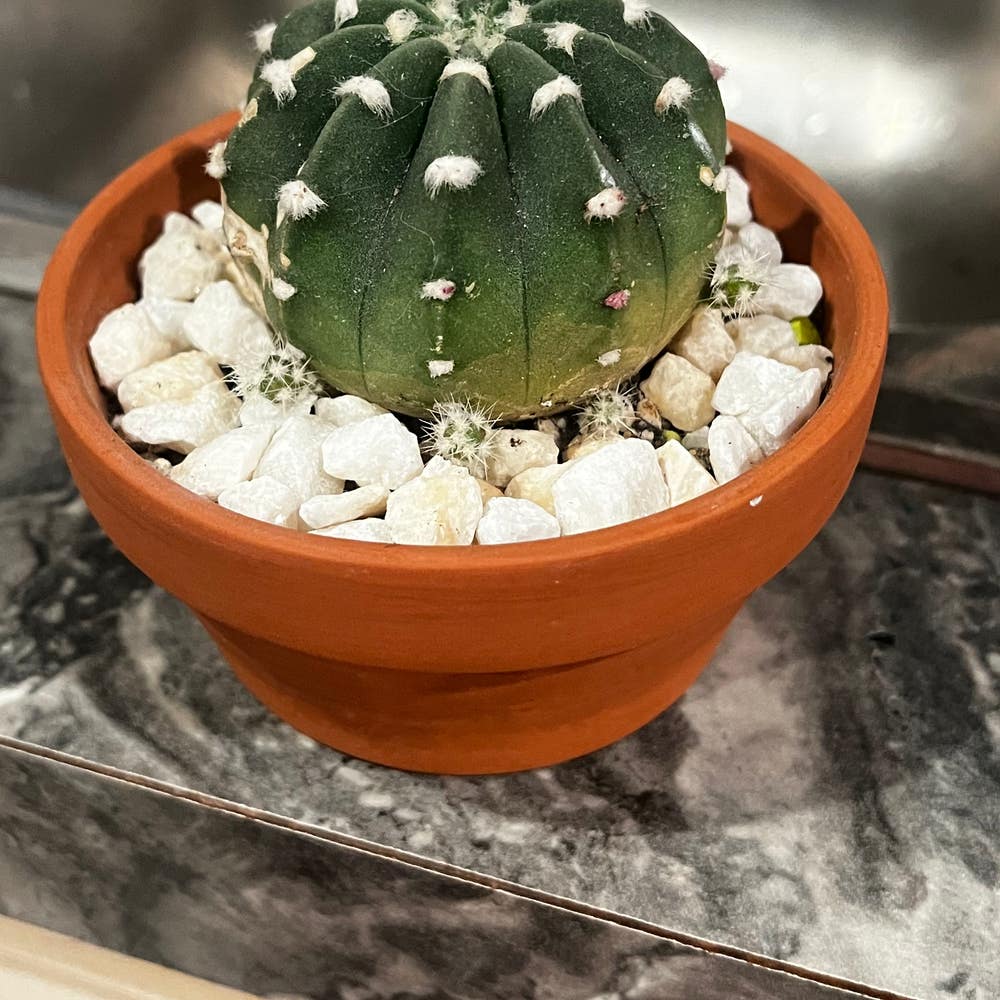
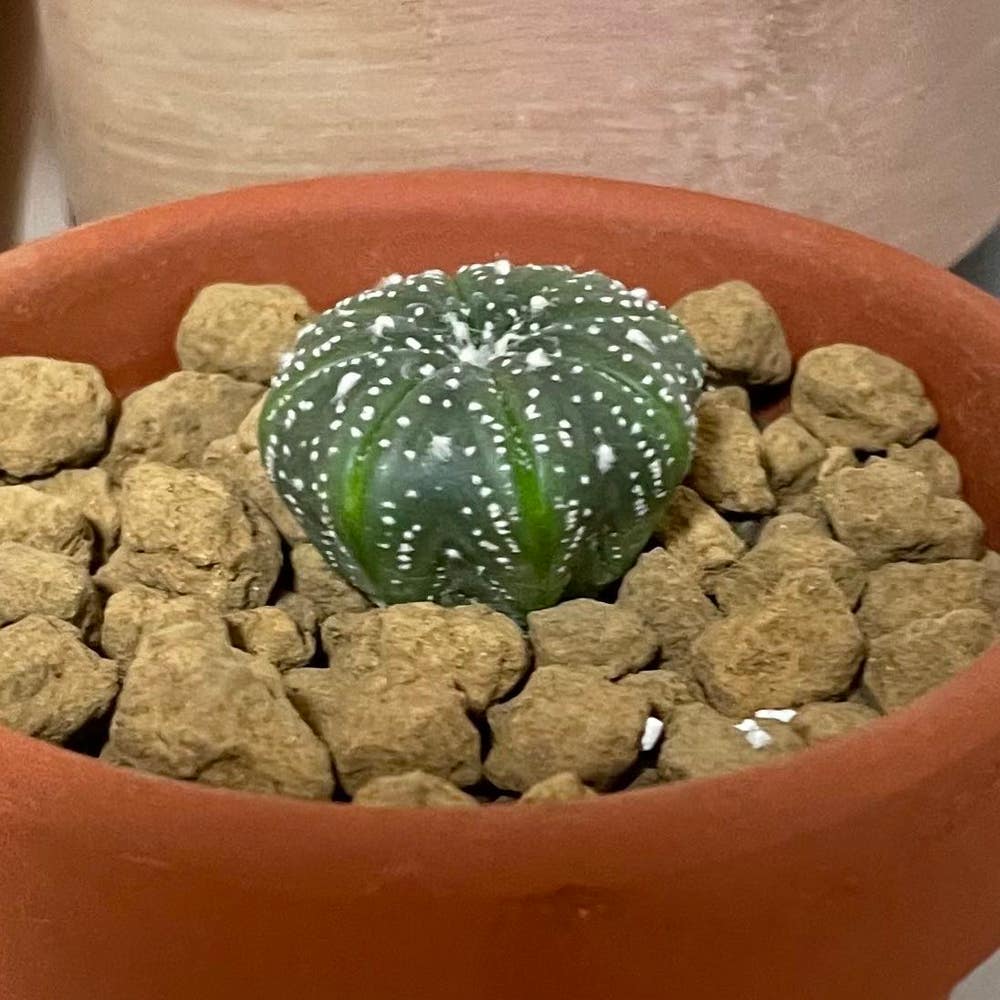
The Sand Dollar Cactus stands out with its unique flattened, disc-like shape that closely resembles a sand dollar. This eye-catching form not only makes it a conversation starter but also serves a functional purpose in its survival.
One of the most remarkable traits of this cactus is its ability to regrow from the same root system each year. This resilience allows it to thrive in challenging environments, making it a favorite among gardeners seeking low-maintenance plants.
Adaptations to Arid Regions 🌵
Adapted to arid regions, the Sand Dollar Cactus showcases impressive drought and heat tolerance. Its thick, fleshy body stores water, enabling it to endure long dry spells without wilting.
These adaptations not only enhance its survival but also make it an ideal choice for xeriscaping and low-water gardens. By choosing this perennial, you're not just adding beauty to your space; you're also promoting sustainability.
In summary, the Sand Dollar Cactus is a perennial marvel, combining unique aesthetics with practical adaptations for survival. Its characteristics make it a resilient and attractive option for any garden enthusiast.
Next, we’ll explore the lifecycle and growth patterns of this fascinating plant.
Lifecycle and Growth Patterns
🌱 Multi-Year Lifecycle
The Sand Dollar Cactus boasts a fascinating lifecycle that unfolds over several years. It begins with emergence in spring, followed by a robust growth phase, vibrant flowering, and a period of dormancy in cooler months.
With proper care, the lifespan of this cactus can exceed several years, making it a rewarding addition to any garden. Its resilience and ability to thrive year after year are truly remarkable.
📈 Growth Patterns
Understanding the growth patterns of the Sand Dollar Cactus is essential for successful cultivation. It experiences seasonal growth phases, actively flourishing during warmer months and entering dormancy as temperatures drop.
The cactus's root system plays a crucial role in its regrowth. This underground network supports new growth each year, ensuring the plant remains healthy and vibrant despite seasonal changes.
By recognizing these patterns, gardeners can better anticipate the needs of their Sand Dollar Cactus, leading to a thriving plant that enhances any landscape.
Impact of Perennial Nature
Effects on Growth and Flowering 🌸
The perennial nature of the Sand Dollar Cactus significantly influences its flowering patterns. Unlike annual plants, which bloom once and die, this cactus can flower multiple times throughout its lifespan, depending on its care and environmental conditions.
Flowering frequency is often dictated by factors such as temperature, light exposure, and watering practices. For instance, providing adequate sunlight and moisture can enhance blooming, while neglect can lead to fewer flowers.
Longevity Factors ⏳
Several key factors influence the longevity of the Sand Dollar Cactus. Soil quality plays a crucial role; well-draining, nutrient-rich soil supports healthier growth and extends the plant's life.
Water availability is another critical aspect. While this cactus is drought-tolerant, consistent moisture during its active growth phase can promote longevity. Additionally, the climate in which it grows—whether hot and arid or cooler—can affect its lifespan.
In optimal conditions, the Sand Dollar Cactus can thrive for several years, often exceeding a decade. Proper care and attention to its needs can lead to a robust, long-lasting plant that continues to bring beauty to your garden.
As we explore the dormancy and seasonal changes of this fascinating cactus, we’ll uncover how it adapts to varying conditions throughout the year.
Dormancy and Seasonal Changes
Dormancy Periods 🌙
Dormancy in the Sand Dollar Cactus typically occurs during the cooler months. This phase is crucial for the plant's lifecycle, allowing it to conserve energy and resources.
Signs of dormancy include noticeably reduced growth and changes in appearance, such as a more compact form. During this time, the cactus prepares for the next growth cycle, ensuring it can thrive when conditions improve.
Seasonal Adaptations 🌼
The Sand Dollar Cactus exhibits distinct seasonal growth patterns. It actively grows during warmer months, soaking up sunlight and nutrients, while entering dormancy in cooler months.
To adapt to these seasonal changes, the cactus conserves resources by slowing down metabolic processes. This strategy not only helps it survive harsh conditions but also sets the stage for robust growth when temperatures rise again.
Understanding these cycles is essential for anyone looking to cultivate this unique perennial. It allows gardeners to provide the right care at the right time, ensuring a thriving plant year after year.
Advantages for Gardeners
Benefits of Perennial Nature 🌱
The Sand Dollar Cactus offers significant advantages for gardeners due to its perennial nature. Once established, it minimizes the need for replanting, allowing you to enjoy its beauty year after year.
This characteristic not only saves time but also contributes to cost-effectiveness in garden planning. You can invest in other plants or enhancements, knowing your Sand Dollar Cactus will thrive without constant replacement.
Established Root Systems 🌵
One of the standout features of the Sand Dollar Cactus is its established root system. This robust foundation enhances drought resistance, making it a resilient choice for arid climates.
Additionally, the strong roots improve nutrient uptake, ensuring the plant remains healthy and vibrant. Over time, this stability leads to long-term health, allowing your garden to flourish with minimal effort.
The Sand Dollar Cactus is not just a plant; it's a reliable partner in your gardening journey. With its perennial nature and established roots, you can cultivate a thriving garden that stands the test of time.
As we explore the variations across climate zones, you'll discover how this cactus adapts to different environments, further enhancing its appeal.
Variations Across Climate Zones
🌍 Climate Adaptations
The Sand Dollar Cactus showcases remarkable adaptability across various climate zones. In arid regions, it thrives by developing a thick, waxy coating that minimizes water loss.
In contrast, in more temperate climates, it may exhibit a slightly different growth pattern, often producing more flowers due to increased moisture availability. This flexibility allows it to flourish in diverse environments.
⏳ Longevity Influences
Several factors influence the longevity of the Sand Dollar Cactus, including soil type, moisture levels, and temperature. Well-draining soil is crucial; it prevents root rot and promotes healthy growth.
Moisture levels also play a significant role. Too much water can be detrimental, while too little may stunt growth. Adjusting care practices based on local climate conditions can significantly enhance the cactus's lifespan.
For instance, in hotter climates, consider watering less frequently but more deeply to encourage deep root growth. In cooler areas, ensure the cactus is protected from frost to maintain its health and longevity.
By understanding these variations, gardeners can better care for their Sand Dollar Cactus, ensuring it thrives for years to come.
⚠️ Safety First
This content is for general information and may contain errors, omissions, or outdated details. It is not medical, veterinary advice, or an endorsement of therapeutic claims.
Always consult a qualified healthcare professional before using any plant as food, medicine, or supplement.
Never eat any plant (or feed one to pets) without confirming its identity with at least two trusted sources.
If you suspect poisoning, call Poison Control (800) 222-1222, the Pet Poison Helpline (800) 213-6680, or your local emergency service immediately.
Spotted an error? Please report it here.
Celebrate the stunning Sand Dollar Cactus 🌵 and let Greg provide tailored care reminders to help your resilient plant thrive for years to come!