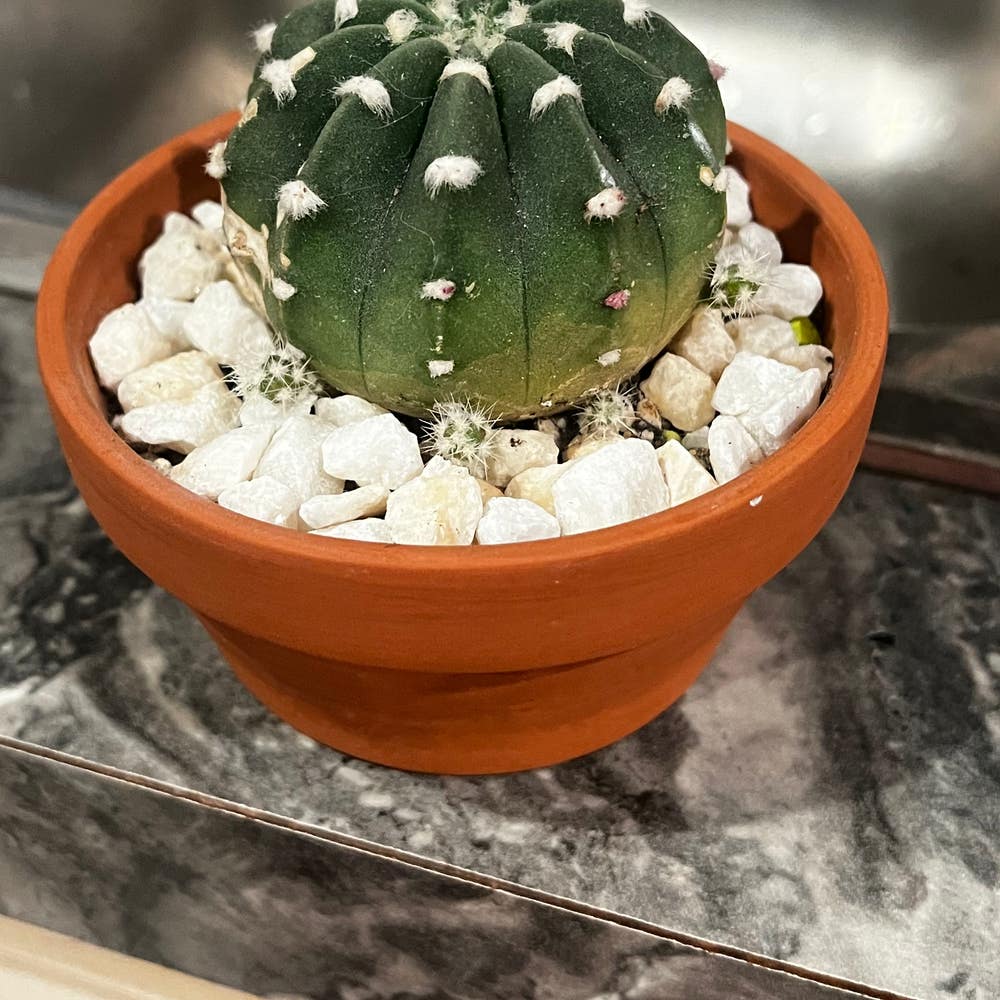
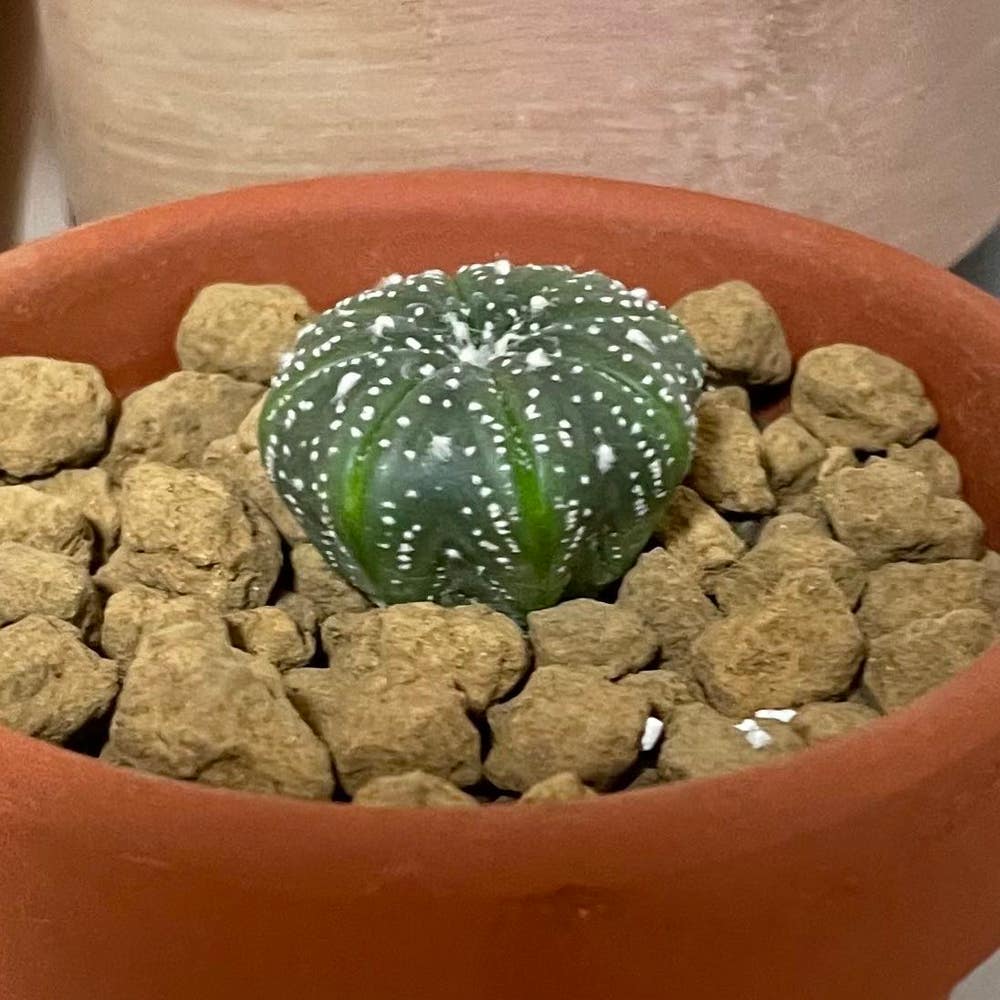
Why Are My Sand Dollar Cactus Leaves Turning Yellow?
Astrophytum asterias
By the Greg Editorial Team
Jun 18, 2024•4 min read
This article was created with the help of AI so we can cover more plants for you. May contain errors. See one? Report it here.
- Overwatering and underwatering both cause yellow leaves; check soil moisture.
- 🌞 Sunburn and cold can stress cacti; ensure proper light and temperature.
- Balanced fertilizer prevents nutrient deficiencies; use cactus-specific options.
Spot the Signs: Identifying Yellow Leaf Causes
💧 Overwatering vs. Underwatering
Overwatering turns your cactus into a soggy mess, with leaves as limp as overcooked noodles. The soil feels like a marshland, a clear sign you've been too generous with the H2O. On the flip side, underwatering leaves your cactus gasping for moisture, with dry, shrunken leaves that crumble at a touch. The soil is bone-dry, a desert in need of rain.
- Check the soil before you water; it should be dry an inch down.
- Make sure your pot has drainage holes; nobody likes a bath with no drain.
- Seasonal watering is key; cacti are more like camels in the winter, needing less to drink.
- When in doubt, underwater; cacti are tough cookies, built for drought.
☀️ Sunburned or Chilly: Temperature and Light Stress
Too much sun leaves your cactus with a sunburn, looking bleached and feeling crispy. It's like leaving your cactus in a tanning bed too long. Conversely, too little warmth and your cactus is chilly, with growth as stunted as a bonsai.
- Find a spot with bright, indirect light; think of it as the cactus's happy place.
- Protect your cactus from extreme temperatures; it's not a fan of the ice age or the Sahara.
🌵 Hungry for Nutrients: Tackling Deficiencies
A cactus starved of nutrients is a sad sight, with growth as slow as molasses in January. It's begging for a nutrient boost, but too much fertilizer and you'll see a crusty buildup, a sure sign of overindulgence.
- Use a balanced fertilizer; your cactus needs a well-rounded diet.
- Moderation is key; think of fertilizer like sprinkles on a cupcake, not the whole frosting tub.

The Rescue Plan: Turning Yellow to Green
💧 Water Wisdom: Quenching Thirst the Right Way
Adjusting your watering technique is crucial to combat yellow leaves. Your Sand Dollar Cactus craves a drink only when the soil is dry an inch below the surface. Remember, it's a desert native; overwatering is like giving it a snorkel when it asked for sunglasses.
The role of well-draining soil cannot be overstated in preventing overwatering. A mix with perlite or sand is like giving your cactus a pair of breathable running shoes—essential for those who hate wet feet.
🌡️ Climate Control: Keeping Your Cactus Comfy
Fine-tuning light exposure and temperature is like setting the thermostat for a Goldilocks—not too hot, not too cold. Your cactus loves the sun but thinks sunburn is for tourists, so provide bright, indirect light.
The acclimatization guide for a happy, green cactus is simple: introduce changes slowly. Moving your cactus? Do it gradually. New season? Ease into the new watering schedule like you're breaking in a pair of jeans.
🌿 Feeding Finesse: Nutrient Management
Choosing the right fertilizer is like picking the perfect wine—it should complement, not overpower. Go for a balanced, cactus-formulated feed and remember, less is more. Your cactus is a light eater, not a glutton.
How often to feed without overdoing it? Think of it as a seasonal event, not a weekly brunch. Over-fertilizing is the equivalent of force-feeding cake to someone on a diet—just don't.

When to Worry: Yellow Leaves and Cactus Health
Yellow leaves on your Sand Dollar Cactus can be a natural part of aging, especially for leaves at the base. However, if you're seeing widespread yellowing, it's time to take a closer look.
🍂 Distinguishing Between Aging and Health Issues
Older leaves naturally yellow and drop off to make way for new growth. This is the cactus's version of out with the old, in with the new. But when multiple leaves or those higher up on the plant start turning yellow, it's a signal that your cactus might be in distress.
🚨 Serious Health Concerns
Yellowing can indicate a range of issues from nutrient deficiencies to improper watering. If leaves are yellowing and you've ruled out aging, it's time to play detective. Check for soggy soil, which could mean root rot, or inspect for pests that might be causing damage.
🚑 When to Seek Professional Help
If your own interventions aren't working, or if the plant's condition is deteriorating despite your best efforts, it's time to call in the cavalry. A local Cooperative Extension Service or plant clinic can offer expert advice. They're like the special forces for your plant problems.
Recognizing When You're Outgunned
Sometimes, despite our best efforts, we're not equipped to handle every plant ailment. If your cactus is showing signs of serious

⚠️ Safety First
This content is for general information and may contain errors, omissions, or outdated details. It is not medical, veterinary advice, or an endorsement of therapeutic claims.
Always consult a qualified healthcare professional before using any plant as food, medicine, or supplement.
Never eat any plant (or feed one to pets) without confirming its identity with at least two trusted sources.
If you suspect poisoning, call Poison Control (800) 222-1222, the Pet Poison Helpline (800) 213-6680, or your local emergency service immediately.
Spotted an error? Please report it here.
Prevent your sand dollar cactus from turning yellow 🌵 by using Greg to fine-tune watering, light, and feeding, with a community of experts just a tap away for any cactus conundrums.