Black Spots on My Sand Dollar Cactus Leaves
Astrophytum asterias
By the Greg Editorial Team
Jun 18, 2024•4 min read
This article was created with the help of AI so we can cover more plants for you. May contain errors. See one? Report it here.
- Fungal infections and sunburn cause black spots on Sand Dollar Cactus.
- Prevent spots with proper watering and sunlight exposure.
- Isolate, prune, and treat with fungicide to manage infections.
Spotting the Trouble: Symptoms and Causes
🕵️ Recognizing Black Spots
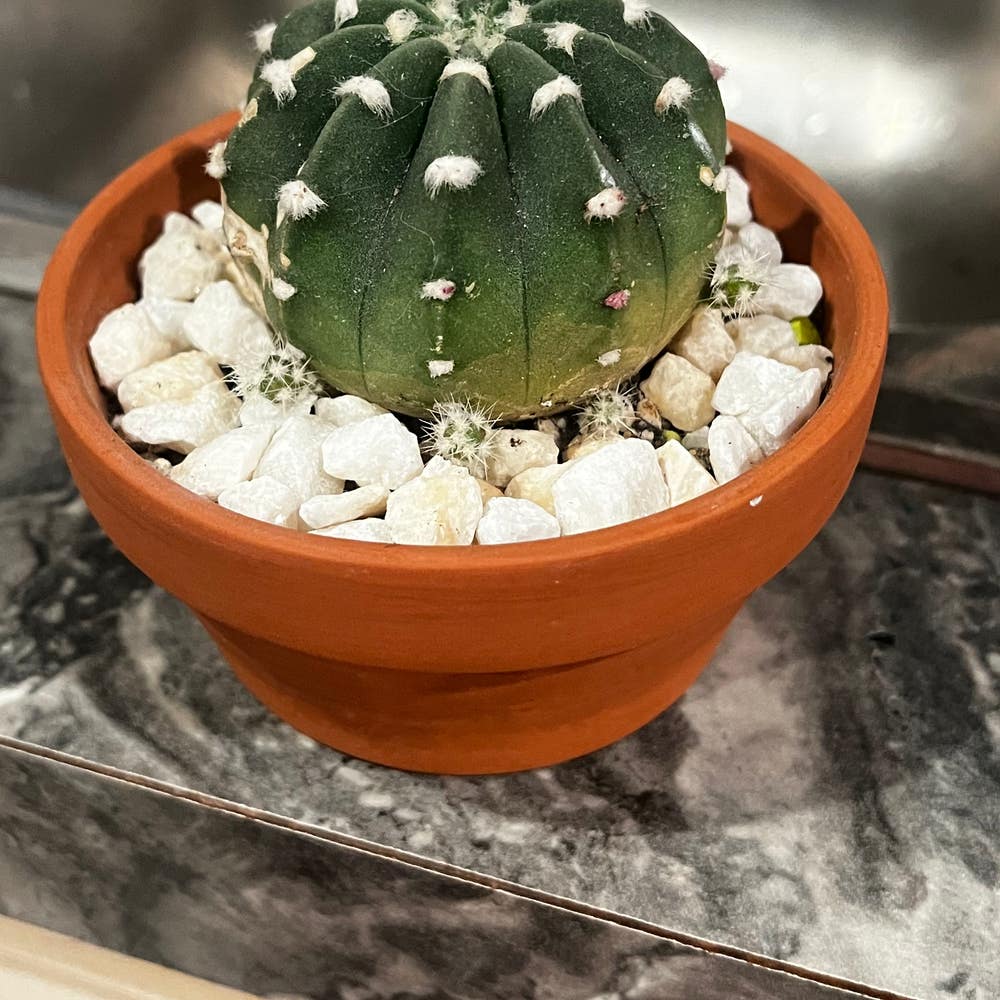
Black spots on your Sand Dollar Cactus can be alarm bells. They're typically small, dark, and may appear as tiny specks. If left unchecked, they grow into larger blotches. You'll find them on leaves, often with a powdery texture, and sometimes surrounded by red or yellow halos.
🦠 Common Culprits
Fungal infections are the usual suspects, thriving in moist conditions. Overwatering or high humidity can create an ideal breeding ground for these uninvited guests. Sunburn is another perpetrator, with spots usually on the sunniest side of the plant, accompanied by crispy tips. Poor watering habits, either too much or too little, can also lead to these unsightly marks.

The Treatment Plan
🛡️ Battling Fungal Infections
Fungal infections are the sneaky assailants of the plant world, but with the right strategy, you can mount a solid defense. Isolation is your first move—keep the infected cactus away from its peers. Next, prune the affected areas with tools you've sterilized as if you're prepping for surgery. When picking a fungicide, think of it as choosing a sword—opt for one that's proven effective against cactus fungi. Apply it with the precision of a master, strictly following the label's instructions. Remember, moisture is fungi's best friend, so keep your cactus's soil on the drier side, like a desert wanderer rationing water.
🌞 Healing Sunburned Leaves
Sunburn is no joke—even for a cactus. If your Sand Dollar Cactus has been overindulging in the sun, it's time for some shade therapy. Gradually reintroduce it to sunlight, like easing into a hot bath. If the damage is already done, think of shade as the plant equivalent of aloe vera—soothing and necessary for healing. Let the plant recover at its own pace, with the patience of a zen master.
🚰 Watering the Right Way
Watering is an art form, and your Sand Dollar Cactus is the canvas. The goal is to find that hydration sweet spot—enough to quench its thirst but not so much that it drowns. Water deeply but infrequently, allowing the soil to dry out between waterings. Imagine you're a bartender mixing the perfect dry martini—precision is key. Early morning is the best time for watering, avoiding the leaves like they're made of sugar and might melt. This way, you'll keep those black spots at bay, and your cactus will thank you by thriving.

Keeping Black Spots at Bay: Prevention Strategies
🌵 Crafting the Perfect Environment
Creating the ideal home for your Sand Dollar Cactus is about more than just aesthetics; it's about survival. Bright, indirect sunlight is your cactus's best friend—too much direct exposure, and you're in burn territory. Think of it as the difference between a pleasant day at the beach and a sunstroke.
Airflow is another non-negotiable. Stagnant air is a fungal playground, so keep it breezy. It's like preferring a windy day over a muggy one. And when it comes to soil, drainage is king. Use a mix that's as quick to drain as a sieve, ensuring your cactus's roots aren't wading in moisture.
🕵️♂️ Regular Check-ups
Regular inspections of your cactus are as crucial as checking your phone in the morning. Spot the signs early, and you're ahead of the game. Keep your tools cleaner than a surgeon's scalpel to avoid spreading any plant pathogens.
When new plants join your collection, quarantine them like they're fresh off an international flight. This isn't about being antisocial; it's about keeping the peace. And remember, adjusting your care with the seasons is as essential as updating your wardrobe—your cactus's needs change with the weather.
By staying vigilant and creating a cactus-friendly environment, you're not just growing a plant; you're curating a lifestyle.

⚠️ Safety First
This content is for general information and may contain errors, omissions, or outdated details. It is not medical, veterinary advice, or an endorsement of therapeutic claims.
Always consult a qualified healthcare professional before using any plant as food, medicine, or supplement.
Never eat any plant (or feed one to pets) without confirming its identity with at least two trusted sources.
If you suspect poisoning, call Poison Control (800) 222-1222, the Pet Poison Helpline (800) 213-6680, or your local emergency service immediately.
Spotted an error? Please report it here.
Eradicate black spots 🌵 on your Sand Dollar Cactus with ease by letting Greg tailor a watering plan that keeps your cactus healthy and thriving.