7 Key Winter Strategies for Sand Dollar Cactus 🌵
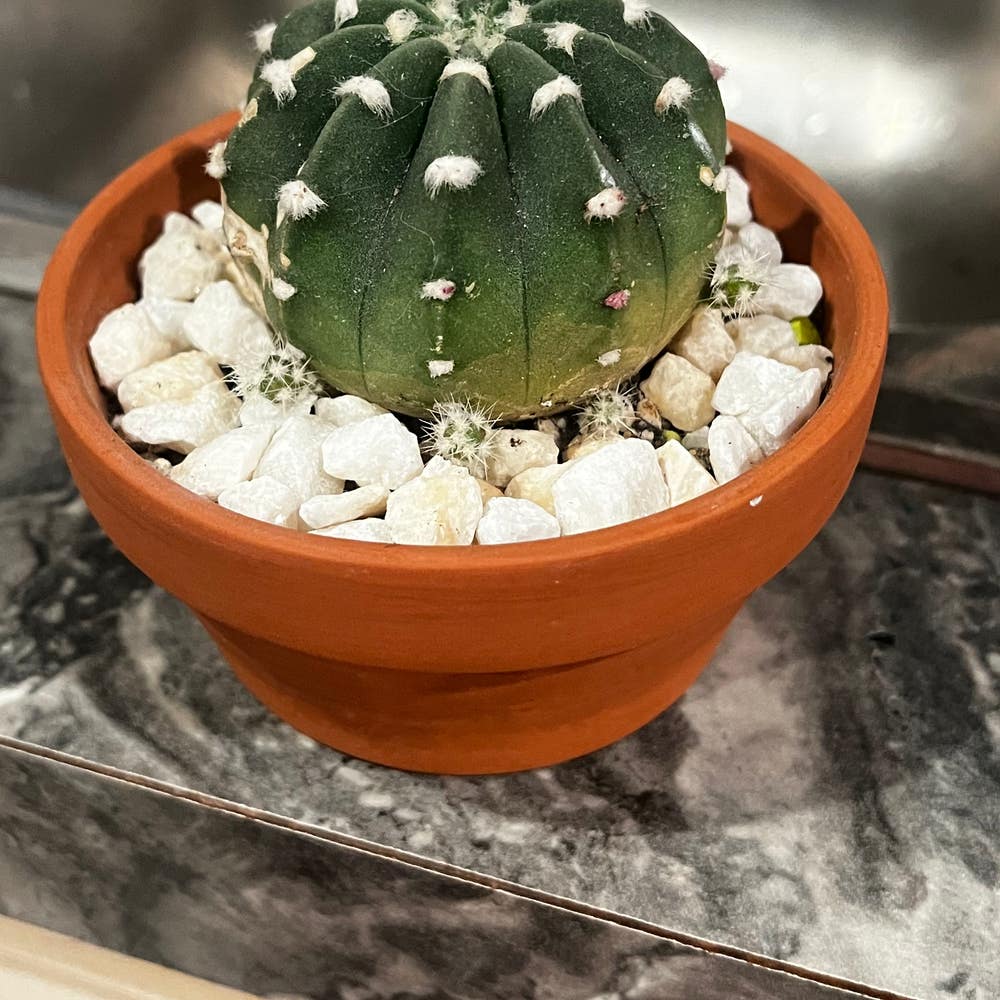
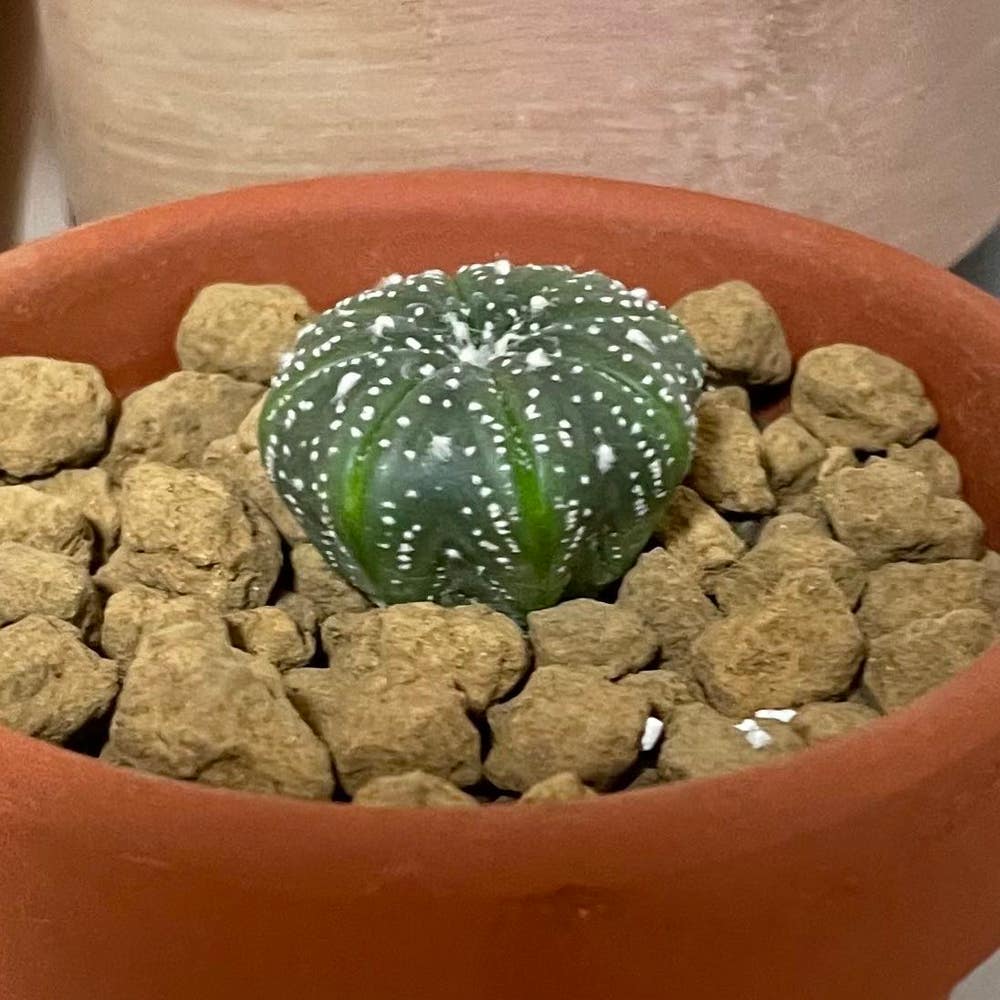
Astrophytum asterias
By the Greg Editorial Team
Sep 30, 2024•4 min read
This article was created with the help of AI so we can cover more plants for you. May contain errors. See one? Report it here.
- ❄️ Sand Dollar Cactus needs special winter care to prevent frost damage.
- 🌱 Adjust watering to every 4-6 weeks to avoid root rot in winter.
- 🌞 Provide bright, indirect sunlight or use grow lights for optimal winter health.
Winter Behavior and Care
❄️ Frost Protection Methods
Frost protection is crucial for Sand Dollar Cactus due to its flat, disc-like shape, which makes it particularly vulnerable to frost damage. To safeguard your cactus, consider these effective methods:
- Covering: Use frost cloth or burlap during cold nights to shield your cactus from harsh temperatures.
- Relocating: If your cactus is outdoors, move it to a sheltered area to minimize exposure to frost.
- Heat Mats: For potted cacti, heat mats can provide gentle warmth, helping to maintain a stable temperature.
💧 Adjusting Watering Schedules
In winter, it's essential to adjust your watering schedule to prevent root rot. Aim to water your Sand Dollar Cactus once every 4-6 weeks, depending on the humidity levels in your environment.
Keep an eye on soil moisture and the appearance of your cactus. If the soil feels dry and the cactus looks healthy, you’re on the right track.
🌱 Fertilizing Considerations
During the winter months, it's generally best to avoid fertilizing your cactus, as it enters a dormant phase. However, if you feel it's necessary, use a diluted, balanced fertilizer sparingly.
Nutrient management is vital during dormancy. Ensuring your cactus has the right nutrients can help it thrive when spring arrives.
With these winter care strategies in place, your Sand Dollar Cactus will be well-prepared to weather the cold months ahead. Next, let’s explore how to provide the best indoor care during winter.
Indoor Winter Care
Best Practices for Indoor Transition 🌱
Transitioning your Sand Dollar Cactus indoors requires a bit of finesse. Gradually acclimate your cactus to indoor conditions over a week to minimize stress.
Avoid sudden temperature changes, as these can shock your plant. A smooth transition helps your cactus adjust without losing its vitality.
Light Requirements 💡
Optimal light conditions are crucial for your cactus's health during winter. Aim for bright, indirect sunlight, which mimics its natural habitat.
If natural light falls short, consider using grow lights to supplement. Regularly monitor light exposure to prevent etiolation, which can lead to leggy growth and weakened plants.
With these indoor care strategies, your Sand Dollar Cactus will thrive even in the colder months. Next, let's explore how to identify and recover from any winter damage it may incur.
Recovery from Winter Damage
Signs of Winter Damage 🌨️
Recognizing winter damage early can save your Sand Dollar Cactus from further decline. Look for discoloration or browning of the pads, which often signals stress.
Another common indicator is a soft or mushy texture, suggesting potential rot. These signs are crucial for effective recovery, so keep a close eye on your cactus during the colder months.
Steps for Recovery and Care 🛠️
If you notice any damage, take immediate action. Start by removing the affected parts using sterilized tools to prevent further infection.
After trimming, allow your cactus to dry out completely before rewatering. This step is vital to avoid exacerbating any rot.
For long-term care, monitor your cactus for signs of stress. Adjust your care routine as needed to ensure it thrives in the recovery phase.
By staying vigilant and proactive, you can help your Sand Dollar Cactus bounce back stronger than ever. As you prepare for the upcoming spring, keep an eye on its health and adjust your care accordingly.
Spring Preparation
Preparing for Spring Growth 🌱
As winter fades, your Sand Dollar Cactus will start to show signs of life. Look for new growth emerging and an increase in water uptake, signaling that it's time to adjust your care routine.
To support this growth, gradually increase your watering frequency. Aim to resume fertilization as well, ensuring your cactus gets the nutrients it needs to thrive.
Transitioning to Spring Care 🌼
Transitioning to spring care involves a few key steps. First, assess the overall health of your cactus to determine its needs.
Adjust light exposure to match the increasing sunlight of spring. If your cactus appears root-bound, prepare for potential repotting to give it more room to grow.
With these strategies in place, your Sand Dollar Cactus will be well-equipped for a vibrant spring season.
⚠️ Safety First
This content is for general information and may contain errors, omissions, or outdated details. It is not medical, veterinary advice, or an endorsement of therapeutic claims.
Always consult a qualified healthcare professional before using any plant as food, medicine, or supplement.
Never eat any plant (or feed one to pets) without confirming its identity with at least two trusted sources.
If you suspect poisoning, call Poison Control (800) 222-1222, the Pet Poison Helpline (800) 213-6680, or your local emergency service immediately.
Spotted an error? Please report it here.
Keep your Sand Dollar Cactus frost-free ❄️ and thriving this winter with Greg's personalized care reminders and expert tips to ensure a vibrant spring revival!