Sand Dollar Cactus: Not an Invasive Plant 🌵
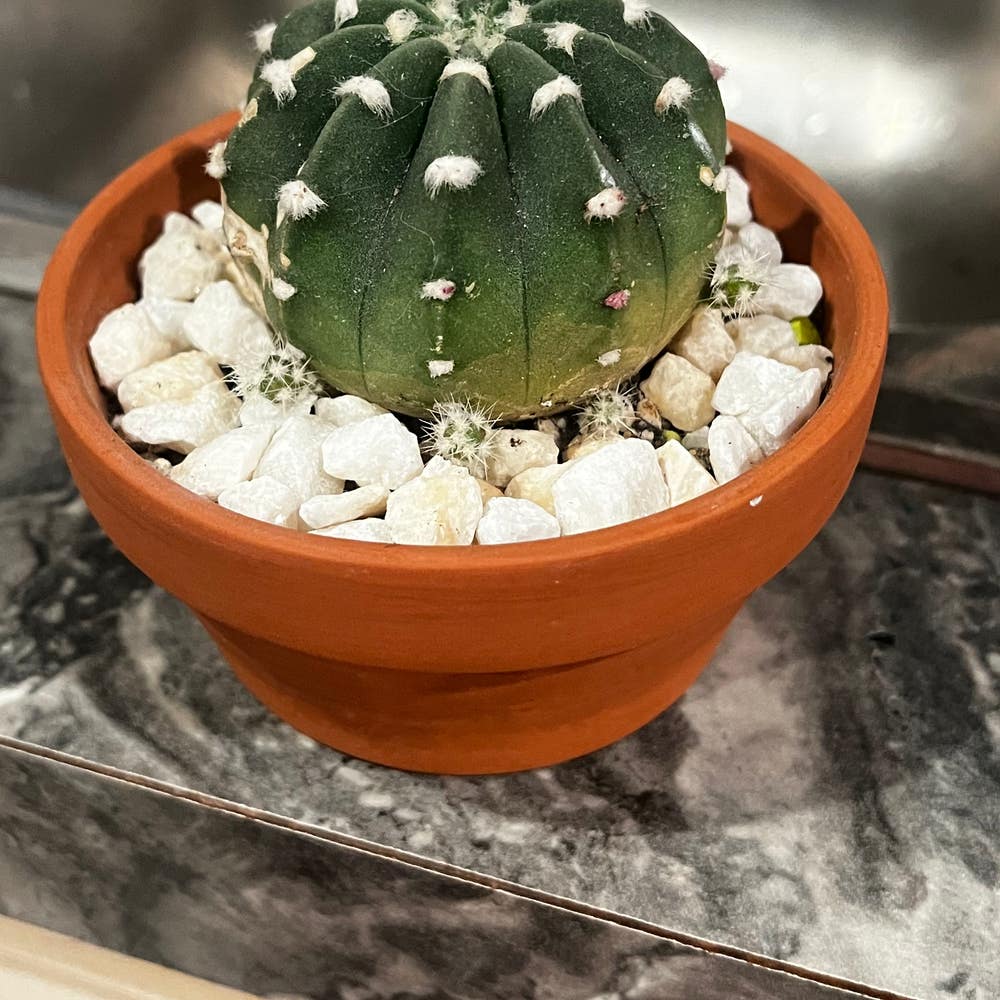
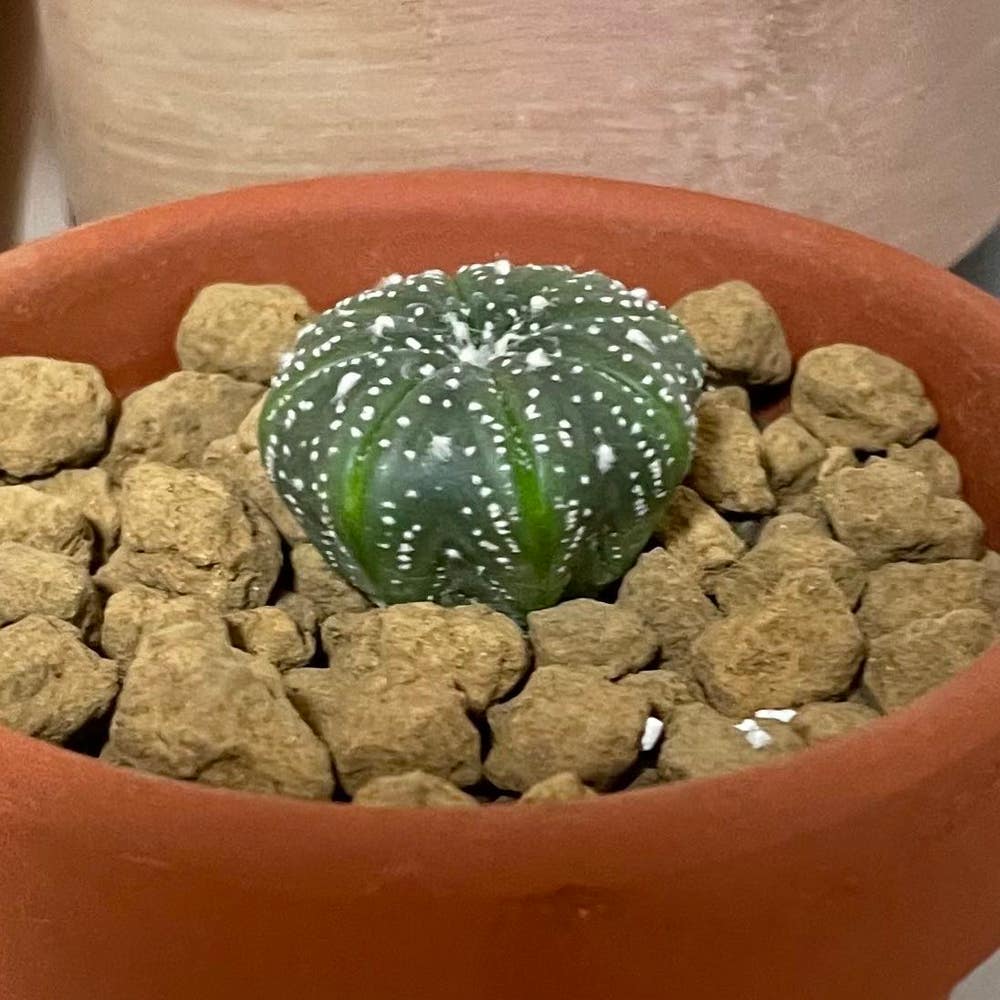
Astrophytum asterias
By the Greg Editorial Team
Sep 30, 2024•5 min read
This article was created with the help of AI so we can cover more plants for you. May contain errors. See one? Report it here.
- 🌵 Sand Dollar Cactus is non-invasive, thriving slowly and enhancing local ecosystems.
- 💧 Requires minimal water and well-drained soil, perfect for low-maintenance gardens.
- 🐝 Attracts pollinators and supports wildlife, boosting biodiversity in your garden.
Non-Invasive Nature
Definition of Invasive Species 🌱
Invasive species are plants or animals that grow aggressively, often outcompeting native species. They can disrupt local ecosystems, leading to negative ecological impacts.
Why Sand Dollar Cactus is Not Invasive 🌵
The Sand Dollar Cactus stands out for its slow growth rate and limited spread potential. This plant thrives in specific environmental conditions, which naturally curtail its aggressive growth tendencies.
Its low profile and modest expansion make it a gentle addition to any landscape. By adapting to its surroundings, the Sand Dollar Cactus maintains a harmonious balance within its ecosystem.
This unique nature not only protects native flora but also enhances the overall biodiversity of the area. As a result, gardeners can enjoy its beauty without the worry of it becoming invasive.
In the next section, we’ll explore the growth habits of the Sand Dollar Cactus, including its typical patterns and natural habitat.
Growth Habits
Typical Growth Patterns 🌱
The Sand Dollar Cactus exhibits a low, spreading growth habit, typically reaching a maximum height of just 6 inches. This compact form allows it to thrive in tight spaces, making it an excellent choice for various garden designs.
During the spring and summer, the cactus enters an active growth phase, showcasing its vibrant green color. As winter approaches, it naturally goes dormant, conserving energy and resources until the warmer months return.
Natural Habitat and Growth Limits 🏜️
This cactus prefers well-drained soils found in desert landscapes, where it can truly flourish. Its natural habitat is characterized by minimal moisture, allowing it to adapt seamlessly to arid conditions.
Drought tolerance is a key feature of the Sand Dollar Cactus, requiring very little water to survive. This resilience makes it a fantastic option for gardeners looking to create low-maintenance, sustainable landscapes.
Incorporating this unique plant into your garden not only enhances its beauty but also promotes ecological balance. As we explore its ecological role next, you'll see how it interacts with local wildlife and other plants.
Ecological Role
Benefits to Local Wildlife 🐝
The Sand Dollar Cactus plays a vital role in attracting local pollinators, including bees and butterflies. Its vibrant blooms serve as a food source, making it a favorite stop for these essential creatures.
Additionally, this cactus provides habitat and sustenance for small wildlife. Birds and insects find refuge among its low, spreading form, creating a mini-ecosystem that supports various life forms.
Interactions with Other Plants 🌱
In desert ecosystems, the Sand Dollar Cactus forms symbiotic relationships with native flora. These interactions help stabilize the soil and promote a healthy environment for all plants involved.
Moreover, the cactus contributes to biodiversity by supporting a range of species. Its presence encourages a balanced ecosystem, showcasing the interconnectedness of desert life.
As we explore the next section on garden management, consider how these ecological benefits can enhance your own outdoor spaces.
Garden Management
Incorporating into Garden Designs 🌵
Integrating the Sand Dollar Cactus into your garden design can elevate your xeriscaping and desert landscaping. Its unique low, spreading form makes it an excellent choice for ground cover, providing texture and interest.
When selecting companion plants, consider species that thrive in similar conditions. Succulents, agaves, and native wildflowers not only complement the cactus aesthetically but also enhance ecological benefits by attracting pollinators and supporting local wildlife.
Maintenance Tips for Optimal Health 🌱
To keep your Sand Dollar Cactus thriving, follow these simple watering guidelines. Water infrequently but deeply, allowing the soil to dry out completely between sessions.
Soil is crucial for optimal growth; ensure it is well-draining with minimal organic matter. This will help prevent root rot and promote healthy development.
Fertilization should be low to moderate, focusing on slow-release options. This approach provides essential nutrients without overwhelming the plant, allowing it to flourish in its natural habitat.
With these tips, your Sand Dollar Cactus will not only survive but thrive, adding beauty and ecological value to your garden. Next, let's explore its unique qualities compared to other plants.
Comparison to Other Plants
Unique Qualities 🌵
The Sand Dollar Cactus stands out with its unique, flat, disc-like shape and low, spreading growth habit. Unlike many cacti that tower, it reaches a maximum height of just 6 inches, making it an excellent choice for ground cover.
Its drought tolerance is impressive, thriving in arid conditions where other plants struggle. This resilience means less worry about watering, allowing you to enjoy a beautiful garden with minimal upkeep.
Benefits Over Other Options 🌼
When it comes to ecological contributions, the Sand Dollar Cactus excels. It attracts pollinators like bees and butterflies, enhancing the biodiversity of your garden.
Additionally, its aesthetic versatility allows it to fit seamlessly into various garden designs, from xeriscaping to traditional landscapes. This adaptability makes it a smart choice for anyone looking to create a sustainable and visually appealing outdoor space.
In summary, the Sand Dollar Cactus not only offers unique visual appeal but also plays a vital role in supporting local ecosystems. Its low maintenance and resilience make it a standout option for gardeners seeking both beauty and practicality.
⚠️ Safety First
This content is for general information and may contain errors, omissions, or outdated details. It is not medical, veterinary advice, or an endorsement of therapeutic claims.
Always consult a qualified healthcare professional before using any plant as food, medicine, or supplement.
Never eat any plant (or feed one to pets) without confirming its identity with at least two trusted sources.
If you suspect poisoning, call Poison Control (800) 222-1222, the Pet Poison Helpline (800) 213-6680, or your local emergency service immediately.
Spotted an error? Please report it here.
The Sand Dollar Cactus is a stunning addition to any garden, thriving with minimal upkeep 🌵, and Greg can help you provide the tailored care it needs to flourish while supporting local ecosystems!