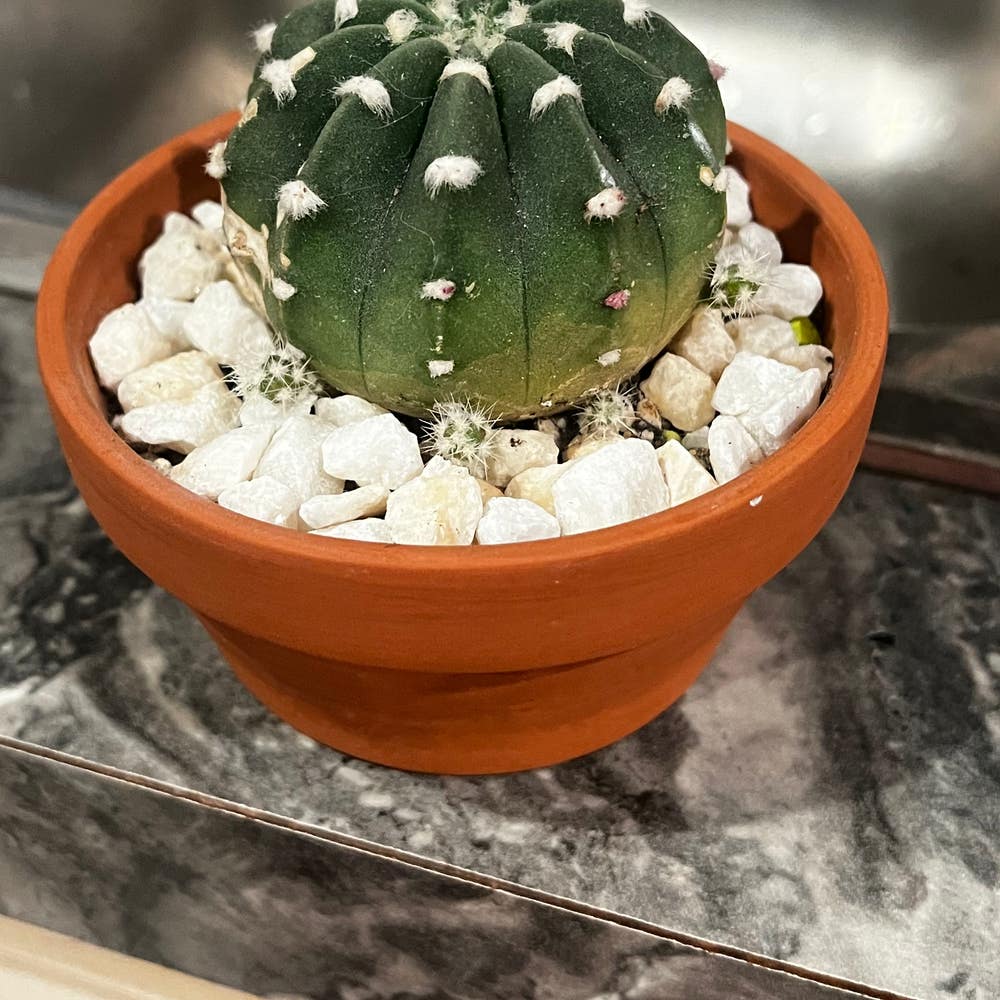
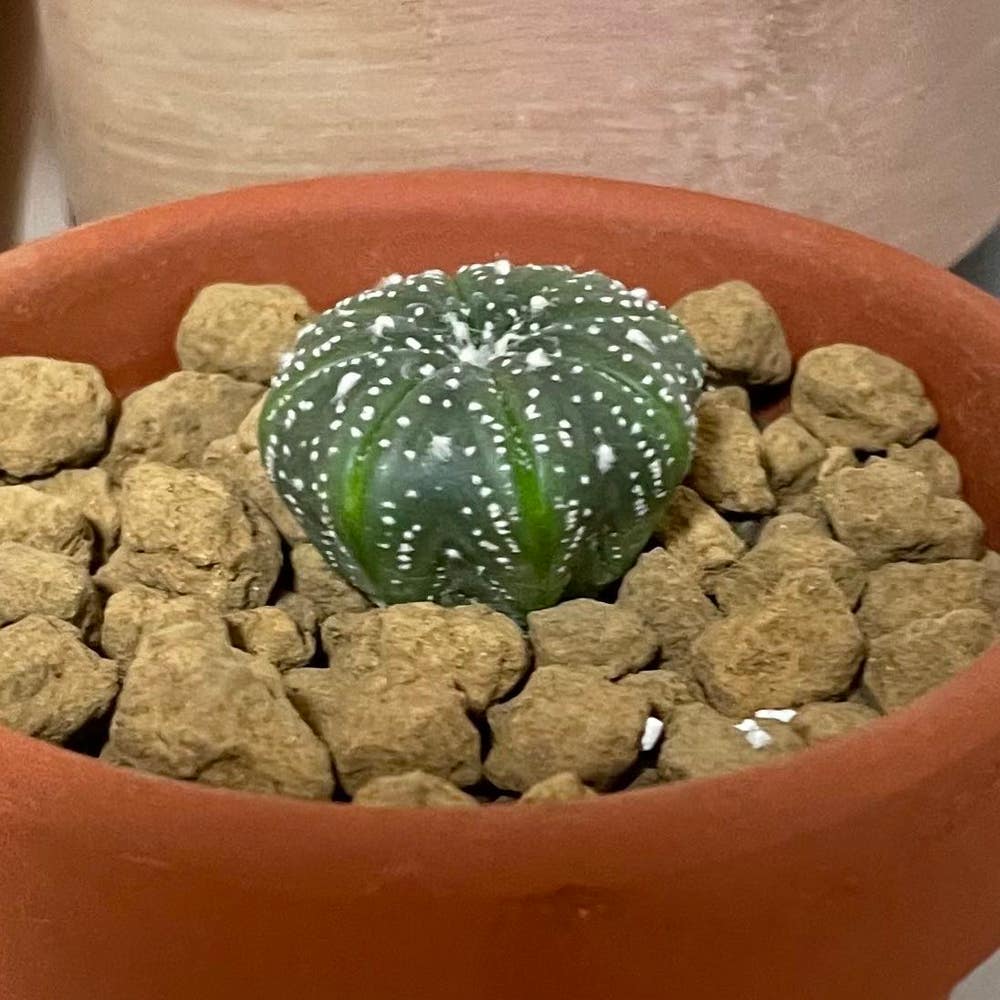
🌵 Ultimate Guide to Growing Sand Dollar Cactus
Astrophytum asterias
By the Greg Editorial Team
Sep 30, 2024•5 min read
This article was created with the help of AI so we can cover more plants for you. May contain errors. See one? Report it here.
- 🌞 Sand Dollar Cactus needs 6+ hours of sunlight daily for optimal growth.
- 🌡️ Maintain temperatures between 70°F and 100°F to protect against frost.
- 🌱 Use well-draining soil and water every 2-4 weeks for healthy roots.
Cultivation Techniques
🌍 Choosing the Right Location
When growing Sand Dollar Cactus, location is key. Decide whether to keep it indoors or outdoors, considering factors like sunlight and temperature.
Sunlight exposure is crucial for optimal growth. Aim for at least six hours of direct sunlight daily to keep your cactus thriving.
Ideal temperature ranges are between 70°F and 100°F during the day. Protect your cactus from frost, as it can be detrimental to its health.
🏺 Soil Preparation and Types of Soil
Selecting the right soil is essential for your cactus's success. A cactus mix or sandy loam is recommended for healthy growth.
Well-draining soil prevents root rot, which can be a common issue. Aim for a soil pH of slightly acidic to neutral, ideally between 6.0 and 7.0.
🌱 Planting Techniques and Spacing Requirements
For planting, dig a hole that is 1-2 inches deep. This depth allows the cactus to establish itself without being buried too deeply.
If planting multiple cacti, space them 12-18 inches apart. This spacing ensures they have enough room to grow without competing for resources.
When planting in containers, ensure proper drainage holes are present. For ground planting, consider the local soil conditions to optimize growth.
With the right location, soil, and planting techniques, your Sand Dollar Cactus will be set for a healthy start. Next, let’s explore how to effectively water and fertilize your cactus for continued growth.
Watering and Fertilizing
Watering Schedule and Techniques 🌊
To keep your Sand Dollar Cactus thriving, water it every 2-4 weeks during the growing season. Use the soak and dry method: thoroughly soak the soil and then let it dry out completely before the next watering.
Signs of Overwatering and Underwatering 🚨
Watch for signs of overwatering, like yellowing or mushy stems, which can lead to root rot. Conversely, if your cactus appears shriveled or wrinkled, it’s likely underwatered and needs a drink.
Fertilizing Methods and Types of Fertilizers 🌱
Fertilize your cactus every 4-6 weeks during the growing season for optimal growth. Use a balanced cactus fertilizer or a diluted liquid fertilizer, but steer clear of high-nitrogen options, as they can harm your plant.
Understanding these watering and fertilizing techniques is crucial for nurturing your Sand Dollar Cactus. With the right care, you’ll enjoy a healthy, vibrant plant that thrives in your home or garden.
Next, let’s explore how to prune and maintain your cactus for continued health and growth.
Pruning and Maintenance
When and How to Prune 🌿
The best time to prune your Sand Dollar Cactus is late winter to early spring. This timing allows the plant to recover and thrive as it enters its growing season.
To prune effectively, focus on removing any dead or damaged sections. This not only improves the plant's appearance but also promotes healthier growth.
Ongoing Care Routine for Healthy Growth 🔍
Regular inspections are crucial for spotting pests and diseases early. Keeping an eye on your cactus helps ensure it remains healthy and vibrant.
Adjusting care based on seasonal changes is equally important. Different seasons bring varying light and moisture levels, so be ready to adapt your routine.
Seasonal Care Considerations ❄️☀️
In winter, reduce watering and protect your cactus from frost. This helps prevent root rot and other cold-related issues.
During summer, ensure your cactus receives adequate sunlight and moisture. This balance is key to keeping your plant thriving in the warmer months.
With these pruning and maintenance tips, your Sand Dollar Cactus will flourish beautifully. Next, let’s explore common challenges and solutions to keep your cactus in top shape.
Common Challenges and Solutions
🐛 Identifying and Managing Pests and Diseases
Sand Dollar Cactus can fall victim to a few common pests. Watch out for mealybugs, spider mites, and scale, which can wreak havoc on your plant.
Signs of infestation include webbing, sticky residue, and discoloration on the cactus. If you notice these symptoms, it’s time to act.
Control methods include using insecticidal soap or neem oil. Manual removal of pests can also be effective, especially if you catch them early.
🌱 Troubleshooting Common Growth Problems
Yellowing leaves can be a red flag for your cactus. This issue often stems from overwatering or nutrient deficiencies.
Stunted growth may indicate environmental stress or a lack of essential nutrients. Assess your cactus's conditions to pinpoint the cause and adjust accordingly.
🌦️ Tips for Overcoming Environmental Challenges
Extreme temperatures and frost can pose serious threats to your Sand Dollar Cactus. Protect your plant by bringing it indoors during harsh weather.
Adjusting watering and light exposure based on seasonal changes is crucial. This simple practice can help your cactus thrive year-round.
With these insights, you can tackle common challenges head-on and ensure your cactus remains healthy and vibrant. Next, let’s explore the differences between container and outdoor growing for your Sand Dollar Cactus.
Container vs. Outdoor Growing
🌱 Advantages and Disadvantages of Container Growing
Growing sand dollar cacti in containers offers several perks. You gain mobility, allowing you to reposition your plants for optimal sunlight or protection from harsh weather.
However, container growing has its downsides. Limited root space can stunt growth, and the soil may dry out quickly, requiring more frequent watering.
🪴 Best Practices for Potting and Repotting
When potting your sand dollar cactus, choose a pot that’s 1-2 inches larger than the root ball. This gives the roots room to expand while ensuring the plant remains stable.
Repotting should occur every 2-3 years or whenever you notice the plant becoming root-bound. This keeps your cactus healthy and thriving.
☀️ Outdoor Growing Conditions and Care Tips
For outdoor growing, sand dollar cacti thrive in full sun and well-draining soil. These conditions mimic their natural habitat, promoting robust growth.
Seasonal care is crucial. Regularly monitor for pests and adjust your watering schedule based on rainfall and temperature changes to keep your cactus happy and healthy.
Transitioning between container and outdoor growing can be seamless with the right knowledge. Next, let’s explore common challenges and solutions to ensure your cactus flourishes.
⚠️ Safety First
This content is for general information and may contain errors, omissions, or outdated details. It is not medical, veterinary advice, or an endorsement of therapeutic claims.
Always consult a qualified healthcare professional before using any plant as food, medicine, or supplement.
Never eat any plant (or feed one to pets) without confirming its identity with at least two trusted sources.
If you suspect poisoning, call Poison Control (800) 222-1222, the Pet Poison Helpline (800) 213-6680, or your local emergency service immediately.
Spotted an error? Please report it here.
Grow your Sand Dollar Cactus like a pro 🌵 with Greg's tailored care reminders that ensure it gets the perfect sunlight, soil, and watering schedule for thriving success!