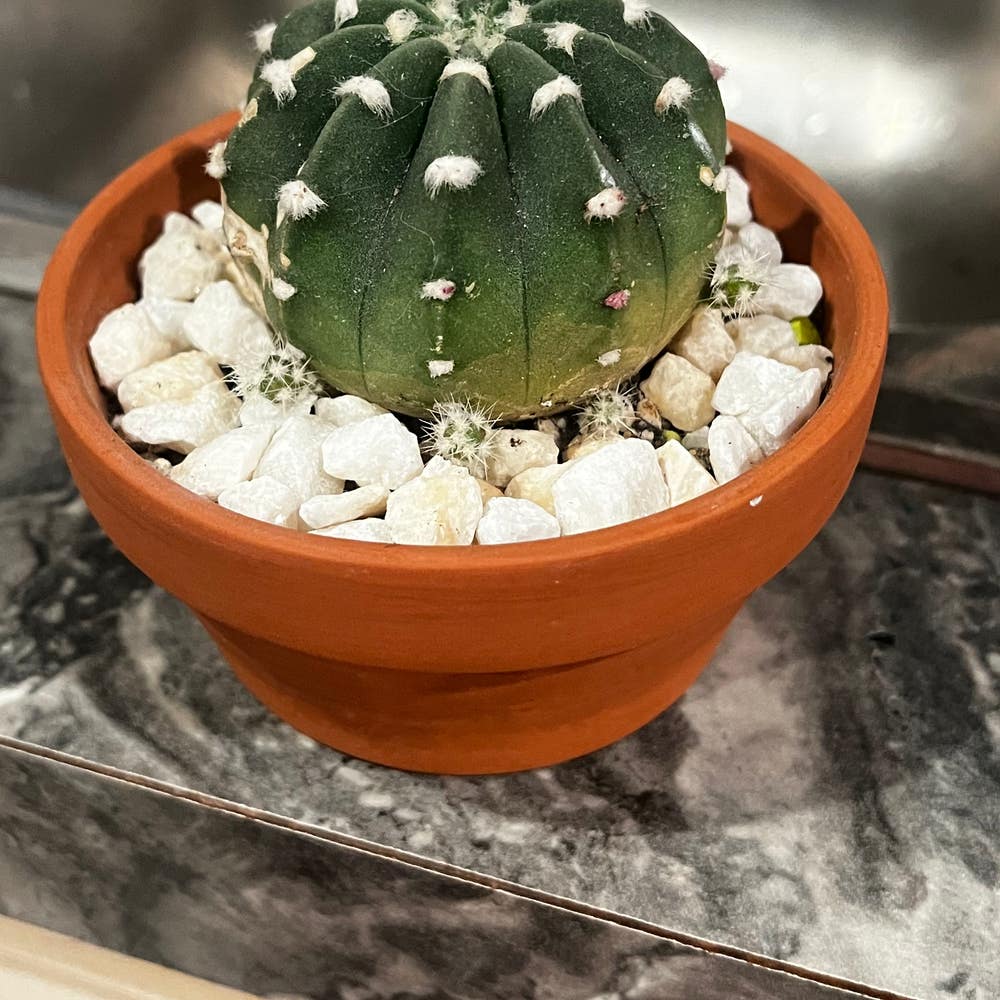
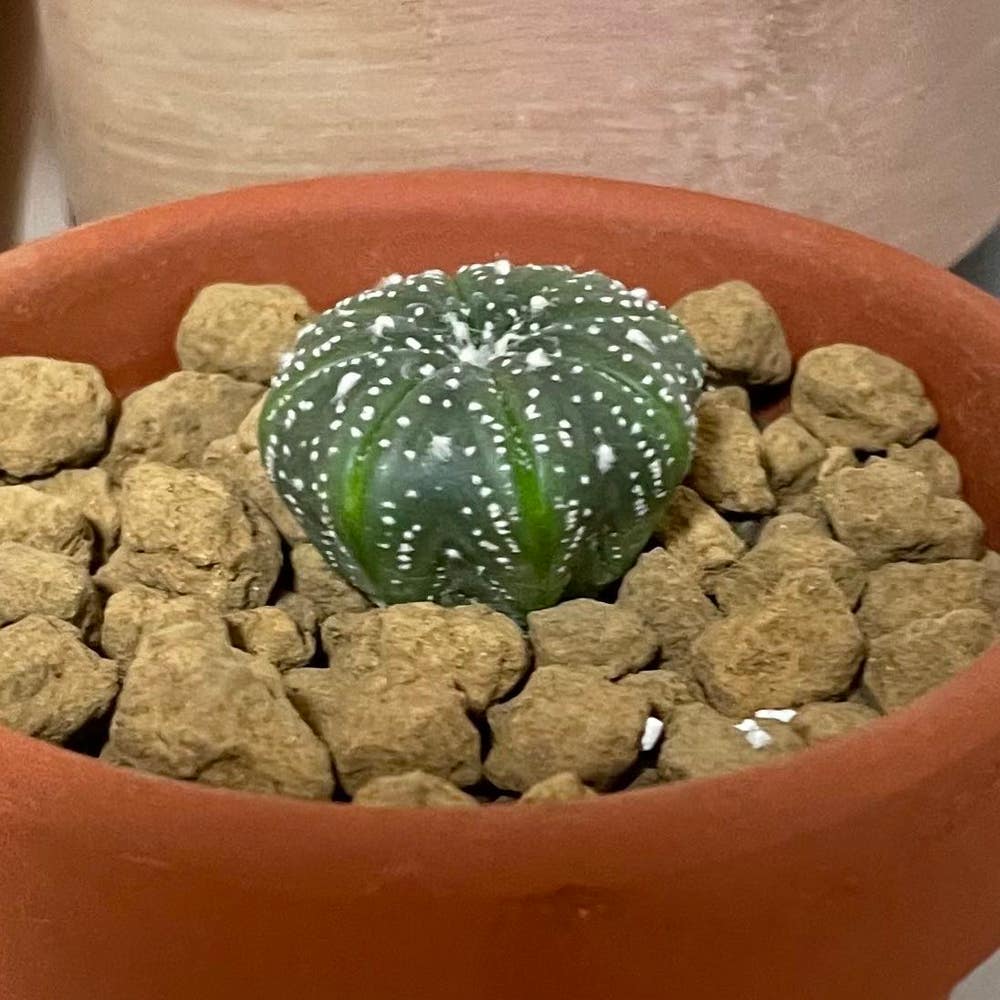
🌵 5 Tips for Healthy Sand Dollar Cactus Roots
Astrophytum asterias
By the Greg Editorial Team
Sep 30, 2024•7 min read
This article was created with the help of AI so we can cover more plants for you. May contain errors. See one? Report it here.
- 🌵 Sand Dollar Cactus roots are shallow yet extensive, maximizing water absorption in arid conditions.
- 💧 Deep watering is essential; allow soil to dry completely to prevent root rot.
- 🌱 Healthy roots are crucial for propagation; monitor moisture and repot if rootbound.
Characteristics of the Root System
🌱 Type of Root System
The Sand Dollar Cactus boasts a fibrous root system. This shallow yet extensive network is designed for efficient water absorption, allowing the plant to thrive in its native arid environments.
These roots have adapted remarkably, spreading wide and growing deep to maximize their reach for moisture. This adaptability is crucial for survival in regions where water is scarce.
🔍 Specific Root Characteristics
One of the standout features of the Sand Dollar Cactus's roots is their resilience to drought. The unique structure supports survival even in low-water conditions, ensuring the plant remains healthy and vibrant.
Different varieties of Sand Dollar Cactus exhibit variations in root characteristics. Understanding these differences can significantly impact care practices, helping you tailor your approach for optimal growth.
With this foundational knowledge of the root system, you can better appreciate the importance of proper care and maintenance. Next, let’s explore the root depth, spread, and growth patterns that further define this fascinating plant.
Root Depth, Spread, and Growth Patterns
🌱 Typical Root Depth and Spread
The Sand Dollar Cactus boasts an impressive root system, typically reaching depths of 12 to 24 inches in its natural habitat. This depth allows it to access moisture effectively, while its roots can spread up to 3 feet wide, maximizing water absorption in arid conditions.
🌼 Growth Patterns and Adaptations
During spring and summer, the cactus enters a phase of active growth, soaking up the sun and nutrients. In contrast, it has a remarkable ability to enter dormancy during extreme drought, conserving energy and resources until conditions improve.
Understanding these growth patterns is crucial for providing optimal care. By aligning your watering and fertilization practices with these natural rhythms, you can help your Sand Dollar Cactus thrive.
This knowledge sets the stage for effective watering, fertilizing, and transplanting techniques, ensuring your cactus remains healthy and vibrant.
Watering, Fertilizing, and Transplanting
🌱 Impact of Root System on Watering
Watering your Sand Dollar Cactus requires a thoughtful approach. Deep watering is essential, allowing moisture to reach the roots, while surface watering can lead to dry roots and stress.
To ensure healthy roots, let the soil dry out completely between waterings. This practice mimics the cactus's natural environment, promoting resilience and preventing root rot.
🌿 Fertilization Techniques
When it comes to fertilizing, opt for low-nitrogen, slow-release fertilizers. These options provide essential nutrients without overwhelming the cactus.
Timing is crucial; fertilize during the growing season for optimal root health. This ensures your cactus gets the nutrients it needs when it’s most active.
🌵 Best Practices for Transplanting
Transplanting your cactus can be a delicate process. Follow these steps to avoid damaging the roots:
- Prepare a new pot with well-draining soil.
- Water the cactus a day before transplanting to ease the process.
- Gently remove the cactus from its pot, keeping the soil intact around the roots.
- Place it in the new pot and fill with soil, ensuring the roots are covered but not compacted.
By following these best practices, you can help your Sand Dollar Cactus thrive in its new home.
Understanding the watering, fertilizing, and transplanting needs of your cactus sets the stage for a healthy root system. Next, let’s explore common root-related issues that can arise and how to tackle them effectively.
Common Root-Related Issues
🦠 Identification of Root Rot and Other Diseases
Root rot is a common issue for Sand Dollar Cacti. Look for signs like wilting, yellowing leaves, and mushy roots. These symptoms indicate that the roots are struggling, often due to overwatering.
Other diseases can also affect cactus roots. Fungal infections and pests can lead to similar symptoms, making it crucial to monitor your plant closely.
🛡️ Tips for Preventing Root-Related Problems
Preventing root problems starts with the right soil. Well-draining soil is essential to avoid excess moisture that can lead to rot.
Proper watering techniques are equally important. Allow the soil to dry out between waterings to keep your cactus healthy. Regularly inspect the roots during repotting or propagation to catch any issues early.
⚒️ Solutions for Addressing Unhealthy Roots
If you notice signs of root rot, act quickly. Here’s how to treat it effectively:
- Remove the cactus from its pot.
- Trim away affected roots using sterilized scissors.
- Allow the plant to dry for a few days before repotting in fresh soil.
Taking these steps can help restore your cactus's health and vitality. By staying vigilant and proactive, you can ensure your Sand Dollar Cactus thrives.
Next, we’ll explore how to recognize and address rootbound conditions, another common issue for cactus enthusiasts.
Indicators of Root Health
👀 Visual Cues for Healthy vs. Unhealthy Roots
Healthy roots are a sight to behold. They should feel firm and display a white or light tan color, signaling vitality and strength.
In contrast, unhealthy roots tell a different story. Look for dark, mushy textures or foul odors, which are clear indicators of trouble.
📊 Other Indicators of Root Health
Plant vigor is another key sign of root health. A thriving cactus will exhibit robust growth and an overall vibrant appearance.
Soil moisture levels also play a crucial role. Regularly check for signs of overwatering or underwatering, as these can significantly impact root health.
Understanding these indicators can help you maintain a flourishing Sand Dollar Cactus. By keeping an eye on root conditions, you ensure your plant remains healthy and resilient.
Next, we’ll explore how to recognize and address rootbound conditions, which can also affect your cactus’s growth.
Recognizing and Addressing Rootbound Conditions
📏 Definition and Signs of Rootbound
Being rootbound means your cactus roots are circling the pot, restricting growth. You might notice signs like stunted growth, roots pushing out of drainage holes, and soil that dries out faster than usual.
🛠️ When and How to Address Rootbound Conditions
It's best to tackle rootbound issues during the growing season when your cactus is actively thriving.
Steps to Remedy Rootbound Conditions
- Carefully remove the cactus from its pot.
- Gently loosen and trim any circling roots.
- Repot the cactus in a larger container filled with fresh soil.
By addressing rootbound conditions promptly, you can help your Sand Dollar Cactus flourish. A little attention goes a long way in ensuring your plant has the space it needs to thrive.
Propagation and Division
🌱 Importance of Root Health in Propagation
Healthy roots are crucial for successful propagation. They provide the necessary nutrients and stability for new plants, ensuring they thrive in their new environment.
Conversely, propagating from unhealthy plants can lead to failure. Weak roots may not support growth, resulting in stunted or dying plants.
✂️ Techniques for Dividing and Propagating
There are several effective methods for propagating Sand Dollar Cactus, including offsets, cuttings, and seeds. Each technique has its own benefits and can be chosen based on your specific needs.
🛠️ Best Practices for Maintaining Root Integrity During Propagation
Use clean, sharp tools to make cuts. This minimizes damage and reduces the risk of infection.
Allow cuttings to callous before planting. This step helps prevent rot and encourages healthy root development.
Provide appropriate care for new plants to establish roots. Ensure they receive adequate light and moisture without overwatering.
By following these practices, you can enhance the chances of successful propagation and enjoy a flourishing cactus collection.
Next, we’ll explore how to recognize and address rootbound conditions, ensuring your plants have the space they need to grow.
⚠️ Safety First
This content is for general information and may contain errors, omissions, or outdated details. It is not medical, veterinary advice, or an endorsement of therapeutic claims.
Always consult a qualified healthcare professional before using any plant as food, medicine, or supplement.
Never eat any plant (or feed one to pets) without confirming its identity with at least two trusted sources.
If you suspect poisoning, call Poison Control (800) 222-1222, the Pet Poison Helpline (800) 213-6680, or your local emergency service immediately.
Spotted an error? Please report it here.
Nurture your Sand Dollar Cactus with deep watering and attentive care 🌵—let Greg guide you with personalized reminders and expert tips for thriving roots!