🐞 What's Eating Your Winter Heath
Erica carnea
By the Greg Editorial Team
Sep 27, 2024•7 min read
This article was created with the help of AI so we can cover more plants for you. May contain errors. See one? Report it here.
Safeguard your Winter Heath from hungry herbivores while fostering a thriving garden ecosystem! 🌼
- 🌼 Winter Heath attracts herbivores due to its nutritious young shoots and vibrant flowers.
- 🦌 Common threats include deer, rabbits, and rodents, each causing unique damage.
- 🌱 Deterrent methods like fencing and companion planting can effectively protect Winter Heath.
Most Appealing Parts to Animals
🌼 Description
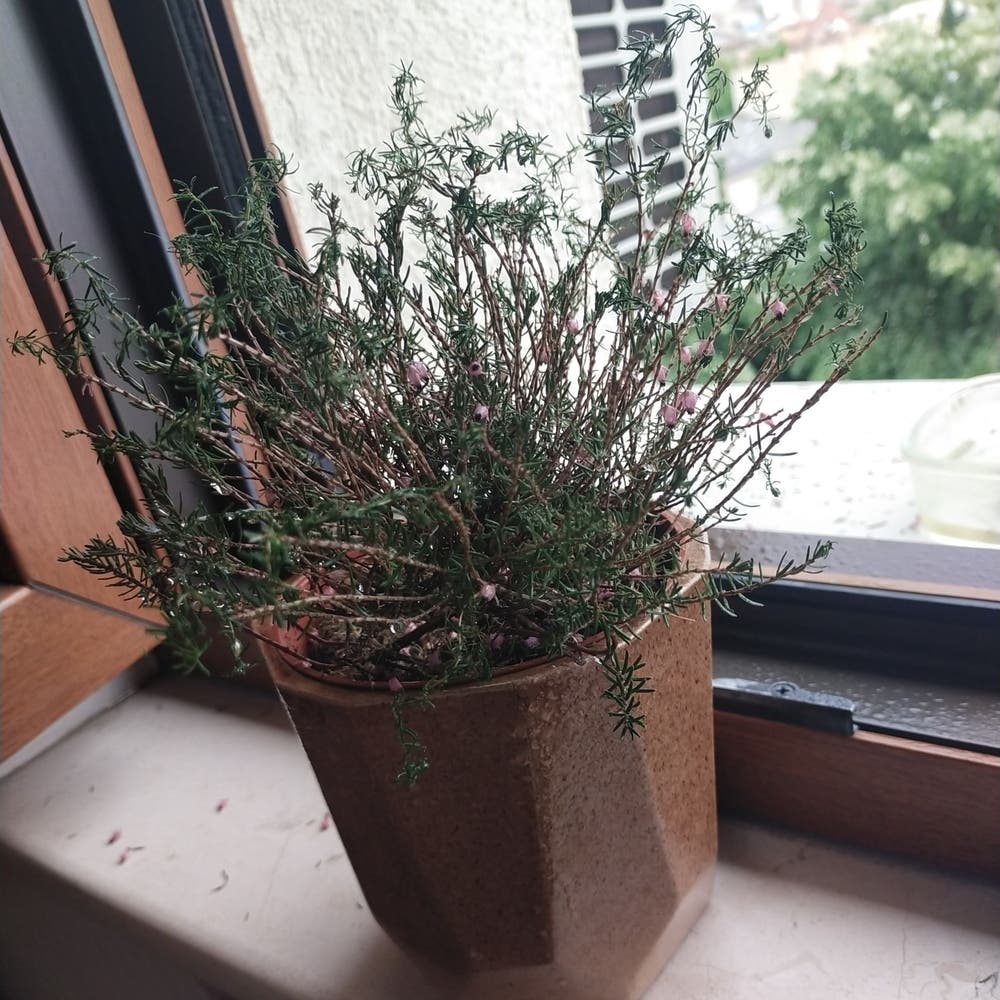
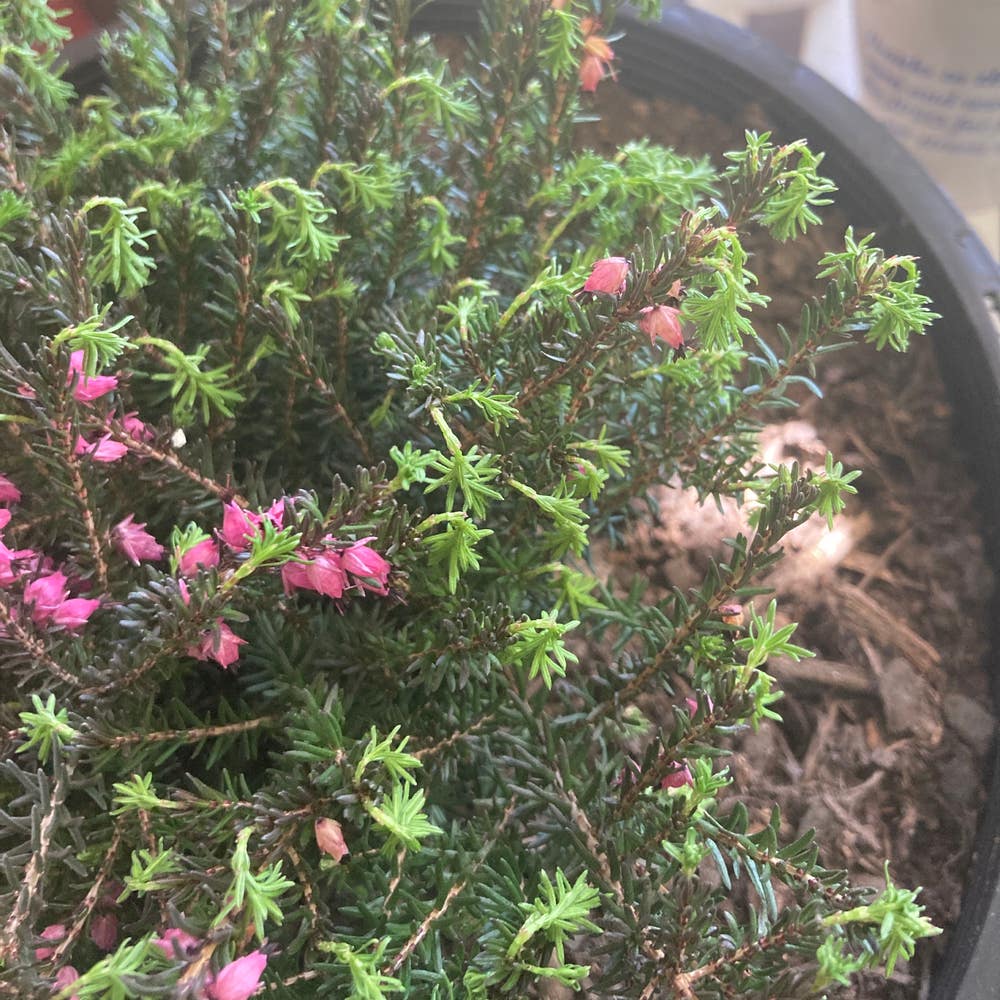
Winter Heath is an evergreen shrub that captivates with its small, bell-shaped flowers. Common varieties like 'Springwood Pink' and 'Winter Beauty' showcase its charm, while its low-growing habit keeps it at a manageable height of 12-18 inches.
The foliage consists of needle-like leaves that remain vibrant green throughout the year. This resilience makes Winter Heath a standout in any garden, especially during the colder months.
🍃 Attractive Parts
Tender Young Shoots
The tender young shoots of Winter Heath are soft and nutritious, making them particularly appealing to herbivores. These shoots provide a vital food source when other options are scarce.
Flowers
The flowers are not just a visual delight; they are also nectar-rich. This quality attracts a variety of pollinators and herbivores, enhancing the garden's ecosystem.
Fruits
The seed capsules that develop after flowering can attract birds and rodents. These fruits play a crucial role in the food web, supporting local wildlife.
Understanding these appealing parts helps gardeners appreciate the delicate balance of nature. As we explore the common herbivores that affect Winter Heath, we can better protect this beautiful plant while fostering a thriving garden environment.
Common Herbivores Affecting Winter Heath
🦌 Deer
Signs of Presence and Damage
Look for hoof prints in muddy areas, which indicate deer activity. You may also notice leaves stripped from branches, leading to stunted growth.
Interaction Type
Deer are generally harmful to Winter Heath, as they can decimate populations if not managed effectively.
Deterrent Methods
To deter deer, consider using commercial deer repellents. Alternatively, planting deer-resistant species nearby or using human hair or soap can also help keep them at bay.
🐇 Rabbits
Signs of Presence and Damage
Rabbits leave small, round droppings near the plant. They often cause damage by cleanly cutting stems and leaves at a 45-degree angle.
Interaction Type
Rabbits are generally harmful, especially to young plants, which can suffer severe impacts from their feeding habits.
Deterrent Methods
For an easy solution, use rabbit repellents containing predator urine. Fencing that is 2-3 feet high and planting rabbit-resistant plants can also be effective.
🐿️ Squirrels
Signs of Presence and Damage
Squirrels can be identified by chewed stems and flowers, often with bark stripped away. Look for signs of nesting in nearby trees as well.
Interaction Type
Squirrels are generally harmful and can cause significant damage to your Winter Heath.
Deterrent Methods
Consider using squirrel repellents for a chemical approach. Alternatively, reflective objects like aluminum foil can deter them organically.
🐦 Birds
Signs of Presence and Damage
Pecking marks on flowers and fruits are clear signs of bird activity. You may also notice birds nesting in or near your Winter Heath.
Interaction Type
Birds have a mixed interaction with Winter Heath; while some help with pollination, others can damage flowers.
Deterrent Methods
Bird deterrent sprays can be used chemically, while netting can protect flowers and fruits organically.
🐭 Rodents
Signs of Presence and Damage
Look for burrows or tunnels near the plant, along with gnaw marks on stems and roots.
Interaction Type
Rodents are generally harmful, as they can lead to root damage and even plant death.
Deterrent Methods
Chemical options include rodent bait stations. For an organic approach, traps and planting mint or other deterrent plants nearby can be effective.
🦡 Groundhogs
Signs of Presence and Damage
Groundhogs leave large burrows near the plant and cause significant chewing on stems and leaves.
Interaction Type
They are generally harmful and can destroy large areas of planting if left unchecked.
Deterrent Methods
For a chemical solution, consider commercial groundhog repellents. Organic methods include fencing that is at least 3 feet high and buried underground.
Understanding these common herbivores and their interactions with Winter Heath can help you protect your plants effectively. Next, let’s explore the beneficial animals that play a crucial role in the ecosystem surrounding your garden.
Beneficial Animals and Ecological Role
🐝 Description of Beneficial Animals
Winter Heath attracts a variety of beneficial animals, notably pollinators like bees and butterflies. These creatures are essential for the reproduction of many plants, including your Winter Heath.
Birds also play a crucial role in this ecosystem. Certain species help control pest populations, ensuring a balanced environment.
🌱 Positive Impacts
The presence of these beneficial animals enhances biodiversity in your garden. By attracting a range of insects, you create a more resilient ecosystem.
Pollination is another significant benefit. It contributes to the overall health of your garden, leading to more vibrant blooms and healthier plants.
Incorporating these animals into your gardening strategy not only supports your Winter Heath but also fosters a thriving environment for all.
As you cultivate your garden, remember the importance of these allies. Their roles are vital in maintaining ecological balance and promoting plant health.
General Strategies for Protection
🛡️ Preventive Measures
To safeguard your Winter Heath, consider installing fencing. Barriers can effectively keep larger herbivores at bay.
Companion planting is another smart strategy. By incorporating plants that deter herbivores, you create a natural defense system around your Winter Heath.
⚠️ Reactive Solutions
Regular monitoring is crucial. Check for signs of damage to catch any issues early.
When you notice trouble, act quickly. Implement deterrents immediately to protect your plants from further harm.
🌱 Balancing Ecosystem Health
Understanding the role of herbivores in your garden is essential. Some interactions are natural and can even be beneficial.
Promoting biodiversity is key. Encourage a variety of species to create a balanced ecosystem that supports your Winter Heath while managing herbivore populations effectively.
By combining these strategies, you can create a thriving environment for your Winter Heath, ensuring its beauty and health throughout the seasons.
Seasonal Considerations
🦌 Variations in Animal Attraction
During winter, food scarcity drives many herbivores to seek out Winter Heath. This evergreen shrub becomes a prime target, as its foliage offers a reliable food source when other options are limited.
As spring arrives, the tender young shoots emerge, drawing even more herbivores. These fresh, nutritious parts are particularly appealing, making it crucial to monitor your plants closely during this season.
🌱 Impact of Seasonal Changes
Understanding the growth cycles of Winter Heath is essential for effective management. The plant is most vulnerable during its active growth periods, especially when new shoots are sprouting.
Timing your deterrent measures is key. Adjust your strategies based on seasonal behavior to protect your Winter Heath from potential damage, ensuring it thrives throughout the year.
Toxicity and Animal Interaction
Toxic Effects 🐾
Winter Heath exhibits mild toxicity, which can affect herbivores that consume it in large quantities. Symptoms often include digestive upset, making it less appealing to some animals.
Implications for Interactions ⚖️
Understanding the balance of toxicity is crucial; some animals may instinctively avoid Winter Heath due to its mild toxic properties. However, it's important to manage expectations, as not all herbivores will be deterred by this factor alone.
Navigating Herbivore Behavior 🦙
While toxicity can play a role in herbivore interactions, many animals are driven by hunger. This means that even mildly toxic plants can still attract them, especially when food is scarce.
Practical Considerations 🌱
When planning your garden, consider both the toxic nature of Winter Heath and its appeal to various animals. This duality can inform your strategies for protecting your plants while fostering a healthy ecosystem.
Transition to Next Topic 🔄
As you navigate the challenges of herbivore interactions, it's essential to explore general strategies for protection that can help safeguard your Winter Heath from unwanted visitors.
⚠️ Safety First
This content is for general information and may contain errors, omissions, or outdated details. It is not medical, veterinary advice, or an endorsement of therapeutic claims.
Always consult a qualified healthcare professional before using any plant as food, medicine, or supplement.
Never eat any plant (or feed one to pets) without confirming its identity with at least two trusted sources.
If you suspect poisoning, call Poison Control (800) 222-1222, the Pet Poison Helpline (800) 213-6680, or your local emergency service immediately.
Spotted an error? Please report it here.
Protect your Winter Heath from hungry herbivores with smart monitoring and deterrents 🦌, and let Greg guide you with tailored tips to keep your garden flourishing all winter long!