🌼 Why Your Spring Heather Leaves Are Turning Yellow
Erica carnea
By the Greg Editorial Team
Oct 16, 2024•4 min read
This article was created with the help of AI so we can cover more plants for you. May contain errors. See one? Report it here.
Restore your Spring Heather's vibrant colors 🌼 by quickly diagnosing and treating those pesky yellowing leaves!
- 🌞💧 Yellow leaves indicate overwatering or inadequate sunlight; adjust care accordingly.
- 🪴 Nutrient deficiencies, especially nitrogen and iron, cause yellowing and stunted growth.
- 🐛 Pests and fungal infections can damage Spring Heather; monitor and manage proactively.
Causes of Yellowing Leaves
🌧️ Environmental Stressors
Yellowing leaves on your Spring Heather can often be traced back to environmental stressors. Overwatering is a common culprit, leading to poor drainage and nutrient deficiencies that can wreak havoc on your plant's health.
Excess moisture can suffocate roots, preventing them from absorbing essential nutrients. Additionally, inadequate sunlight can cause leaves to lose their vibrant color, turning them a dull yellow.
🔍 Symptoms to Look For
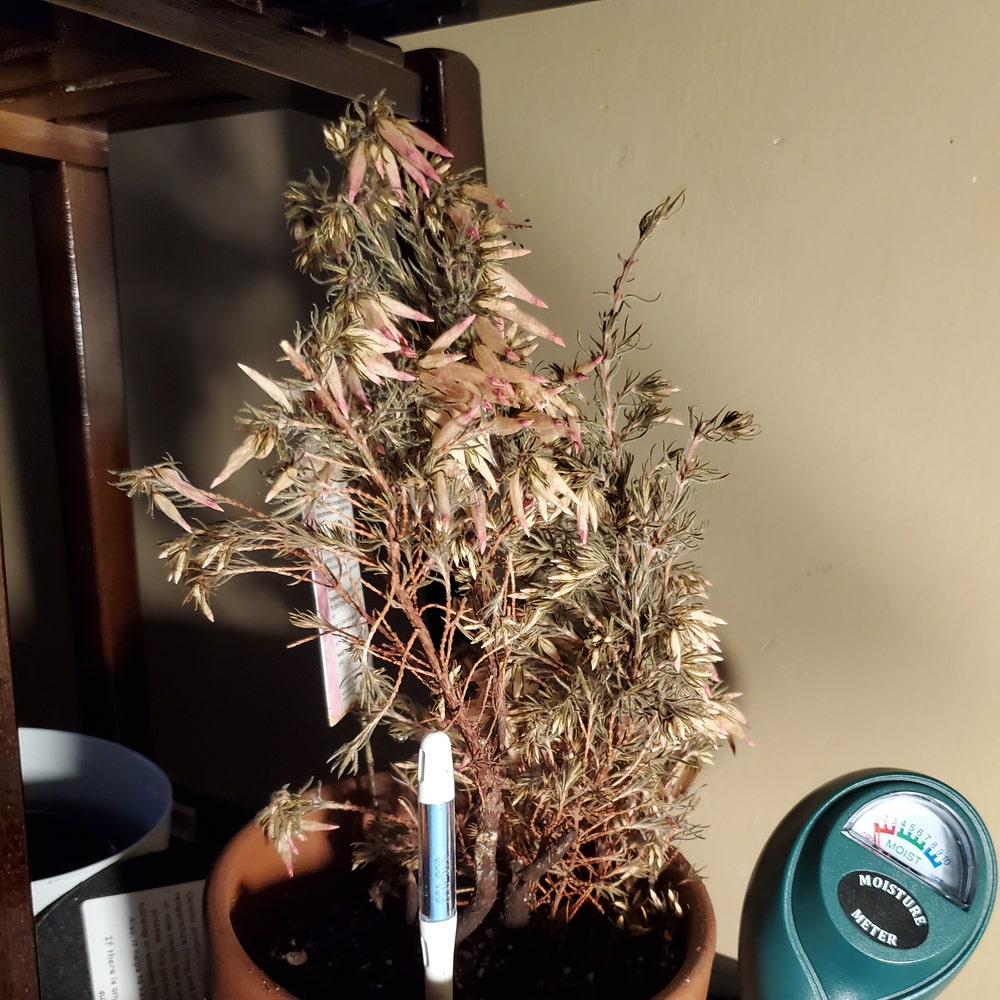
Identifying yellow leaves is just the tip of the iceberg. Look for visual indicators like wilting, which signals that your plant is struggling to thrive.
Other signs of distress include stunted growth and discoloration of flowers. These symptoms can help you pinpoint the underlying issues affecting your Spring Heather.
Understanding these causes and symptoms is crucial for effective diagnosis and treatment. Next, we’ll explore how to diagnose the problem accurately.
Diagnosing the Problem
🌧️ Soil Moisture Levels
Checking soil drainage is crucial for the health of your Spring Heather. Ideally, the soil should be moist but not soggy, allowing for proper root aeration.
Signs of overwatering include soggy soil and symptoms of root rot, such as blackened roots and a foul smell. If you notice these indicators, it’s time to reassess your watering habits.
🥦 Nutrient Deficiencies
Identifying specific nutrient deficiencies can help revive your plant. A nitrogen deficiency often shows up as yellowing leaves, particularly older ones, and can stunt growth.
Iron deficiency leads to chlorosis, where leaves turn yellow while veins remain green. This condition typically affects younger leaves and can be a sign of poor soil pH.
🐜 Pest Infestations
Common pests like aphids and spider mites can wreak havoc on your Spring Heather. Aphids often cluster on new growth, causing curling leaves and stunted growth.
Spider mites, on the other hand, create fine webbing and cause leaves to appear speckled or discolored. Regular monitoring can help catch these infestations early.
🍄 Fungal Infections
Fungal diseases can be particularly damaging to your Spring Heather. Root rot, often caused by overwatering, leads to mushy roots and wilting foliage.
Powdery mildew appears as a white, powdery coating on leaves and can hinder photosynthesis. Identifying these issues early is key to effective treatment and prevention.
With a clear understanding of these diagnostic factors, you can take the necessary steps to restore your Spring Heather's health. Next, let’s explore practical solutions for those yellowing leaves.
Solutions for Yellow Leaves
🌊 Adjusting Watering Practices
Proper watering is crucial for maintaining healthy Spring Heather. Aim to water deeply but infrequently, allowing the soil to dry out between sessions.
Check for signs of overwatering, such as soggy soil or yellowing leaves. Conversely, if the leaves are crispy or brown, you may not be watering enough.
🌱 Fertilization Tips
To replenish nutrients, consider using fertilizers specifically designed for acidic soil. Look for options rich in nitrogen and iron, which are vital for vibrant foliage.
Timing is key; fertilize in early spring and again in mid-summer for optimal growth. Regular applications can help prevent deficiencies that lead to yellowing leaves.
🐛 Pest Management Strategies
Pests can wreak havoc on your Spring Heather, so proactive management is essential. Use organic options like neem oil or insecticidal soap for effective pest control.
Regular monitoring is crucial. Catching infestations early can save your plants from significant damage.
🍄 Treating Fungal Diseases
Fungal infections like root rot and powdery mildew can be detrimental. For root rot, ensure proper drainage and consider using fungicides to combat the issue.
For powdery mildew, improve air circulation around your plants. Home remedies like baking soda sprays can also be effective in treating this common problem.
By implementing these solutions, you can restore your Spring Heather's health and vibrancy. Next, let’s explore how to diagnose the underlying issues contributing to yellowing leaves.
⚠️ Safety First
This content is for general information and may contain errors, omissions, or outdated details. It is not medical, veterinary advice, or an endorsement of therapeutic claims.
Always consult a qualified healthcare professional before using any plant as food, medicine, or supplement.
Never eat any plant (or feed one to pets) without confirming its identity with at least two trusted sources.
If you suspect poisoning, call Poison Control (800) 222-1222, the Pet Poison Helpline (800) 213-6680, or your local emergency service immediately.
Spotted an error? Please report it here.
Revitalize your Spring Heather and banish yellow leaves 🌼 with Greg's tailored watering reminders and nutrient tips for a thriving garden!