🌸 5 Factors for Optimal Spring Heather Growth
Erica carnea
By the Greg Editorial Team
Oct 16, 2024•5 min read
This article was created with the help of AI so we can cover more plants for you. May contain errors. See one? Report it here.
Cultivate a stunning heather garden 🌿 with essential care tips that ensure vibrant blooms and robust growth!
- ☀️ Heather needs 6-8 hours of sunlight daily for vibrant blooms and growth.
- 🌱 Acidic soil (pH 4.5-6.0) is essential for heather's health and blooming potential.
- 🌧️ Well-draining soil prevents root rot; consider raised beds or containers for optimal drainage.
Choosing a Location
🌞 Sunlight Requirements
Heather thrives best in full sun to partial shade, requiring about 6 to 8 hours of sunlight daily. This exposure is crucial for vibrant blooms and robust growth, as insufficient light can lead to weak plants.
🌤️ Ideal Climate Conditions
Moderate climates are where heather truly shines. It flourishes in USDA hardiness zones 4 to 8, making it suitable for a variety of regions.
🌱 Considerations for Outdoor vs. Container Growing
When deciding between outdoor planting and container gardening, consider the benefits of each. Outdoor planting offers natural drainage and ample space, while containers provide mobility and controlled conditions.
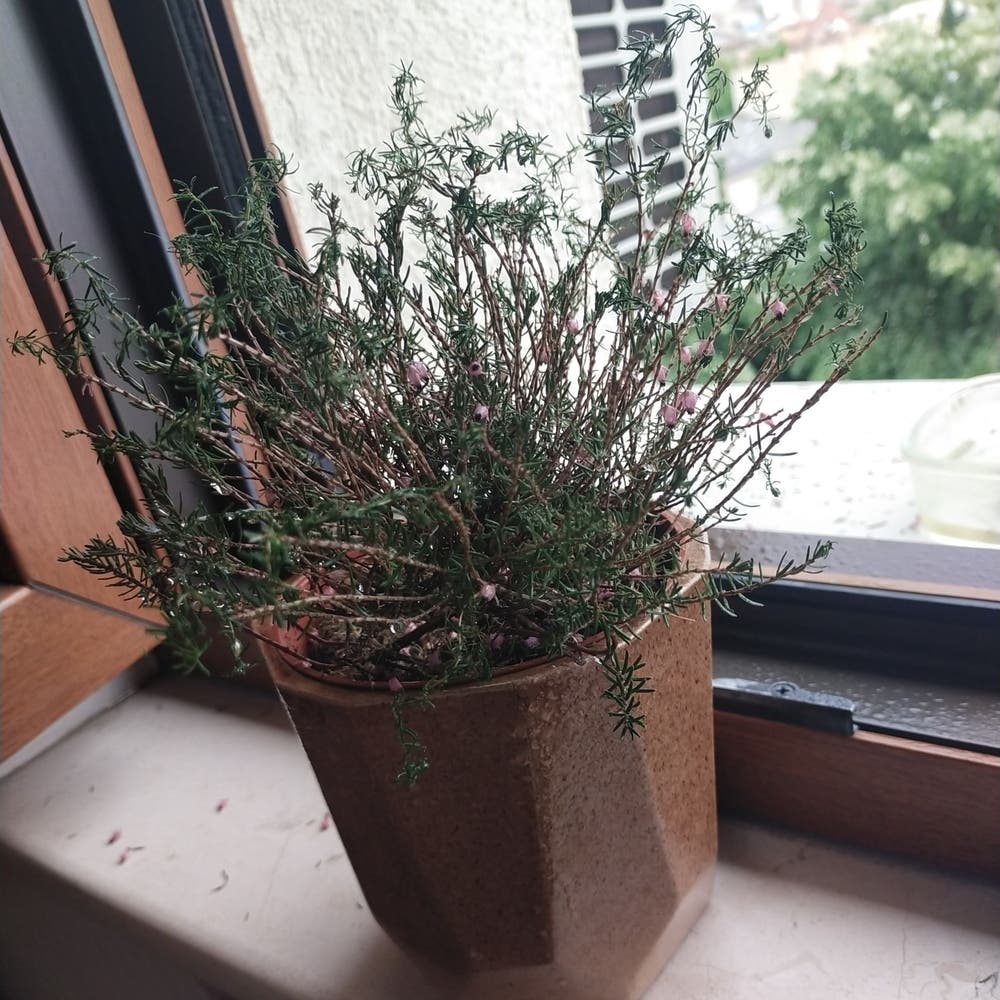
For container gardening, choose sizes that allow for growth—typically, a pot with a diameter of at least 12 inches is recommended. Opt for materials like terracotta or plastic, which can help regulate moisture levels effectively.
With the right location and conditions, your heather can thrive beautifully. Next, let’s dive into the essential soil preparation for optimal growth.
Soil Preparation
Importance of Acidic Soil 🌱
For optimal spring heather growth, maintaining an acidic soil pH between 4.5 and 6.0 is crucial. Acidic soil enhances nutrient availability, allowing your plants to thrive and bloom beautifully.
Soil Amendments for Optimal Growth 🧑🌾
To achieve the right soil mix, consider adding peat moss, pine bark, and compost. A good starting ratio is one part peat moss, one part pine bark, and two parts compost to create a nutrient-rich environment.
Drainage Considerations 🚰
Well-draining soil is essential to prevent root rot, a common issue for heather. To improve drainage, incorporate organic matter and consider using raised beds or containers with drainage holes to ensure excess water escapes.
By focusing on these soil preparation techniques, you set the foundation for healthy heather plants. Next, let’s explore the best planting techniques to ensure your heather flourishes in its new home.
Planting Techniques ((difficulty:easy))
Best Planting Times 🌱
The best seasons for planting spring heather are early spring and fall. Timing is crucial; consider your local climate to ensure optimal growth.
Step-by-Step Planting Guide 🛠️
- Prepare the planting site or container with amended soil.
- Dig holes that are twice the width of the root ball.
- Place the plant in the hole, ensuring the crown is level with the soil surface.
- Backfill with soil and water thoroughly.
Spacing and Arrangement Tips 📏
For optimal air circulation, space your heather plants 12-18 inches apart. Consider grouping different varieties for a visually striking display that enhances your garden's appeal.
With these planting techniques in mind, you're well on your way to cultivating a vibrant heather garden. Next, let's explore how to care for your plants through proper watering and fertilizing techniques.
Watering and Fertilizing
Watering Frequency and Techniques 🌊
To keep your heather thriving, maintain consistently moist soil without waterlogging. Drip irrigation or soaker hoses are ideal for delivering water directly to the roots, minimizing evaporation and ensuring even moisture distribution.
Best Fertilizers 🌱
Opt for acidic, slow-release fertilizers like ammonium sulfate to nourish your plants. Apply these in early spring and again in mid-summer for optimal growth and blooming.
Signs of Overwatering or Underwatering 🚰
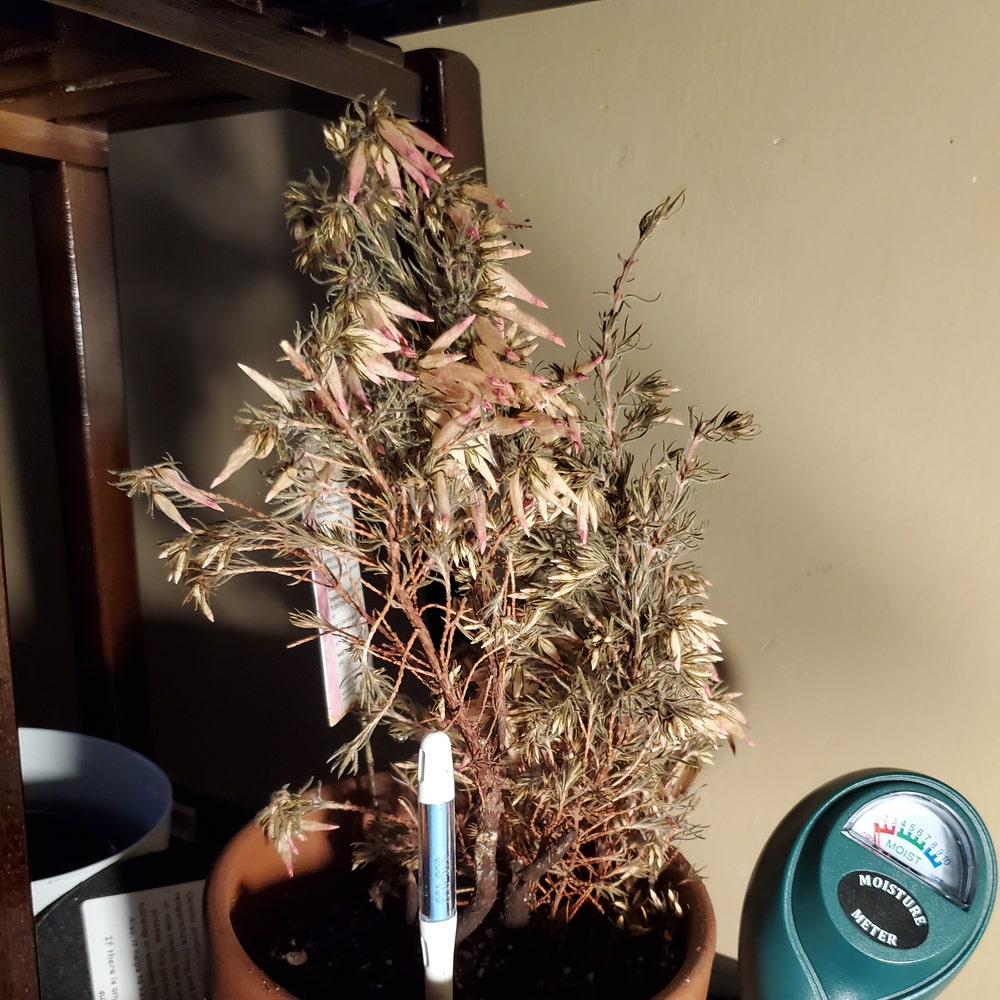
Watch for yellowing leaves and wilting, which indicate overwatering and potential root rot. Conversely, browning leaf tips and dry soil signal that your heather may be underwatered and in need of immediate attention.
By mastering the art of watering and fertilizing, you set the stage for vibrant, healthy heather. Next, let’s explore essential pruning and ongoing care techniques to keep your plants in top shape.
Pruning and Ongoing Care
When and How to Prune 🌿
The best time to prune heather is late spring, right after flowering. This timing allows you to maintain the plant's shape while removing any dead wood that may detract from its beauty.
Light trimming is key; avoid heavy cuts that can stress the plant. Focus on shaping the heather to encourage healthy growth and a fuller appearance.
Seasonal Care Routines 🌸
In spring, prioritize fertilizing and mulching to give your heather a nutrient boost. Mulch helps retain moisture and suppress weeds, creating a thriving environment.
During summer, keep an eye out for pests and diseases. Regular monitoring can prevent minor issues from becoming major problems.
As fall approaches, prepare your heather for winter dormancy. This involves reducing watering and ensuring the plants are well-mulched to protect their roots.
Pest and Disease Management 🐛
Common pests that may invade your heather include aphids, spider mites, and scale insects. Regular inspections can help you catch these pests early.
Diseases like root rot and powdery mildew can also pose threats. Maintaining proper watering techniques is essential to prevent these issues.
For organic control, consider using neem oil or insecticidal soap. These methods are effective and environmentally friendly, ensuring your garden remains healthy and vibrant.
By following these pruning and care tips, you’ll set your heather up for success. With a little attention and love, your plants will flourish beautifully throughout the seasons.
Next, let’s explore common challenges and solutions to keep your heather thriving.
Common Challenges and Solutions
Identifying Common Problems 🌱
Root rot is a significant issue for spring heather, primarily caused by overwatering. Symptoms include yellowing leaves and a mushy root system, indicating that the plant is struggling to breathe.
Pest infestations can also threaten your heather. Look out for signs of aphids and spider mites, such as discolored leaves or webbing on the plant.
Preventative Measures 🛡️
To prevent root rot, ensure your soil has excellent drainage. Use techniques like raised beds or adding sand to your soil mix to keep it airy.
Companion planting can also help deter pests. Consider planting heather alongside herbs like rosemary or lavender, which can naturally repel unwanted insects.
Troubleshooting Tips for Successful Growth 🔧
Adjust your care routine based on what you observe. If you notice yellowing leaves, reduce watering and check for root issues.
For further assistance, don't hesitate to reach out to local gardening communities or online forums. They can provide valuable insights and support for overcoming challenges with your heather.
With these strategies in place, you can cultivate a thriving spring heather garden that flourishes despite common challenges.
⚠️ Safety First
This content is for general information and may contain errors, omissions, or outdated details. It is not medical, veterinary advice, or an endorsement of therapeutic claims.
Always consult a qualified healthcare professional before using any plant as food, medicine, or supplement.
Never eat any plant (or feed one to pets) without confirming its identity with at least two trusted sources.
If you suspect poisoning, call Poison Control (800) 222-1222, the Pet Poison Helpline (800) 213-6680, or your local emergency service immediately.
Spotted an error? Please report it here.
For blooming heather success this spring, ensure it gets plenty of sunlight and acidic soil while using Greg's tailored reminders to keep your plants thriving! 🌸