10 Tips for Light Requirements for Your Spring Heather ☀️
Erica carnea
By the Greg Editorial Team
Oct 16, 2024•5 min read
This article was created with the help of AI so we can cover more plants for you. May contain errors. See one? Report it here.
Master optimal light for vibrant Spring Heather blooms 🌼 and watch your garden thrive indoors and out!
- ☀️ Spring Heather needs 6 hours of direct sunlight daily for optimal growth.
- 🌡️ Cool climates require full sun, while hot regions benefit from partial shade.
- 💡 Adjust light exposure seasonally to maintain health and blooming potential.
Optimal Light Conditions for Outdoor Growth
🌞 Full Sun vs Partial Shade
Spring Heather thrives best in full sun, requiring a minimum of 6 hours of direct sunlight daily. This is particularly beneficial in cooler climates, where the sun's warmth can enhance growth.
In hotter regions, however, partial shade becomes essential. Here, dappled sunlight during peak afternoon hours can prevent stress and help maintain the plant's health.
💡 Best Light Conditions for Heather
Understanding the correlation between soil moisture and light exposure is crucial. Well-drained soil is vital to prevent overwatering, and more light often means the need for more frequent watering.
As the seasons change, so do the light conditions. Spring Heather flourishes with increased light during spring and summer, but adjustments are necessary as daylight hours decrease in fall and winter.
This awareness can significantly impact your plant's health and blooming potential. By monitoring light exposure, you can ensure your Spring Heather remains vibrant and thriving throughout the year.
Ideal Light Conditions for Indoor Growth
🌞 Indoor Light for Spring Heather
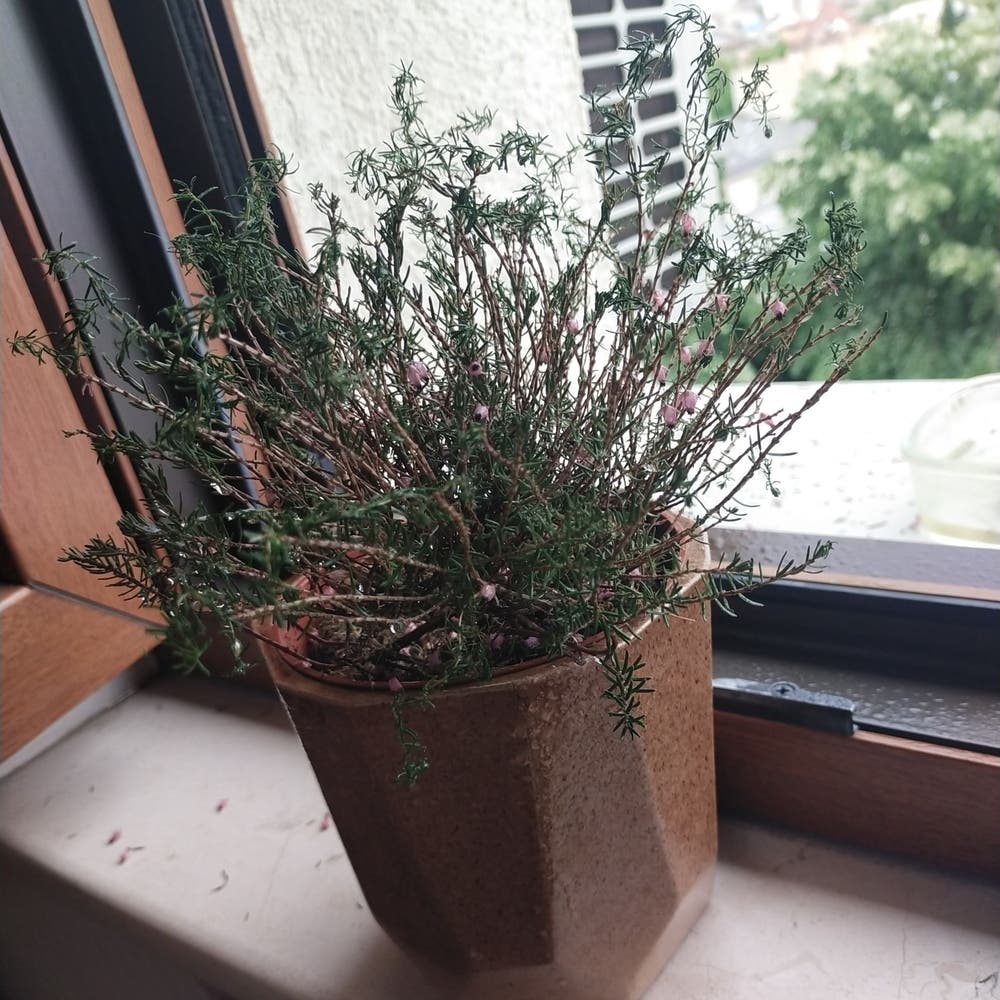
For indoor growth, Spring Heather thrives in bright, indirect light. Positioning your plant near south or west-facing windows will provide the best natural light exposure.
💡 Grow Light Considerations
Sometimes, natural light just isn’t enough. During winter months or in low-light environments, grow lights become essential to maintain consistent growth and flowering.
Using grow lights can make a significant difference, ensuring your Heather stays vibrant and healthy. They help mimic the sunlight that your plant craves, especially when daylight hours are short.
With the right light conditions, your indoor Spring Heather can flourish beautifully. As you set up your space, keep these tips in mind to create an ideal environment for your plant.
Next, let’s explore how light impacts flowering in Spring Heather.
Impact of Light on Flowering
🌼 How Light Affects Flowering in Spring Heather
Light plays a crucial role in the blooming process of Spring Heather. Longer daylight hours significantly promote blooming, while insufficient light can delay or even inhibit flowering.
⏳ Importance of Light Duration for Blooming
To achieve optimal blooming, aim for 12-14 hours of light exposure during the flowering period. It's essential to monitor changes in light exposure as the seasons shift, ensuring your plants receive the right amount of light year-round.
Understanding these light dynamics can make a world of difference in your Spring Heather's growth and flowering success. As you adjust your care routine, you'll be better equipped to enjoy vibrant blooms throughout the season.
Next, let’s explore how to effectively use grow lights to support your indoor Spring Heather.
Using Grow Lights
🌱 Benefits of Grow Lights for Indoor Spring Heather
Grow lights are a game-changer for indoor spring heather. They provide the essential light spectrum needed for photosynthesis, ensuring your plants thrive with lush foliage and vibrant blooms.
Additionally, these lights help maintain consistent growth, especially during those dreary winter months when natural sunlight is scarce. With the right light, your heather can flourish indoors, bringing a touch of spring to your home year-round.
💡 Types of Grow Lights Suitable for Heather
When it comes to choosing grow lights, LED options stand out. They are energy-efficient, long-lasting, and offer an adjustable spectrum tailored to different growth stages.
Fluorescent lights are another solid choice, particularly for seedlings and young plants. They produce less heat, minimizing the risk of overheating your delicate heather.
📏 Placement and Duration of Grow Light Exposure
Proper placement of grow lights is crucial. Position them 12-24 inches above your plants to prevent any burning from excessive heat.
For optimal growth, aim for 12-16 hours of light exposure daily. This duration mimics natural sunlight and supports healthy development, ensuring your spring heather remains vibrant and full of life.
Transitioning to the next topic, understanding how light affects flowering in spring heather is essential for maximizing your plant's blooming potential.
Common Light-Related Issues
🌱 Signs of Insufficient Light
If your Spring Heather is struggling, it might be due to insufficient light. Look for leggy growth with elongated stems, which indicates the plant is reaching for more light.
Another telltale sign is sparse foliage and reduced flowering. When your heather isn't getting enough sunlight, it simply can't thrive.
☀️ Signs of Too Much Light
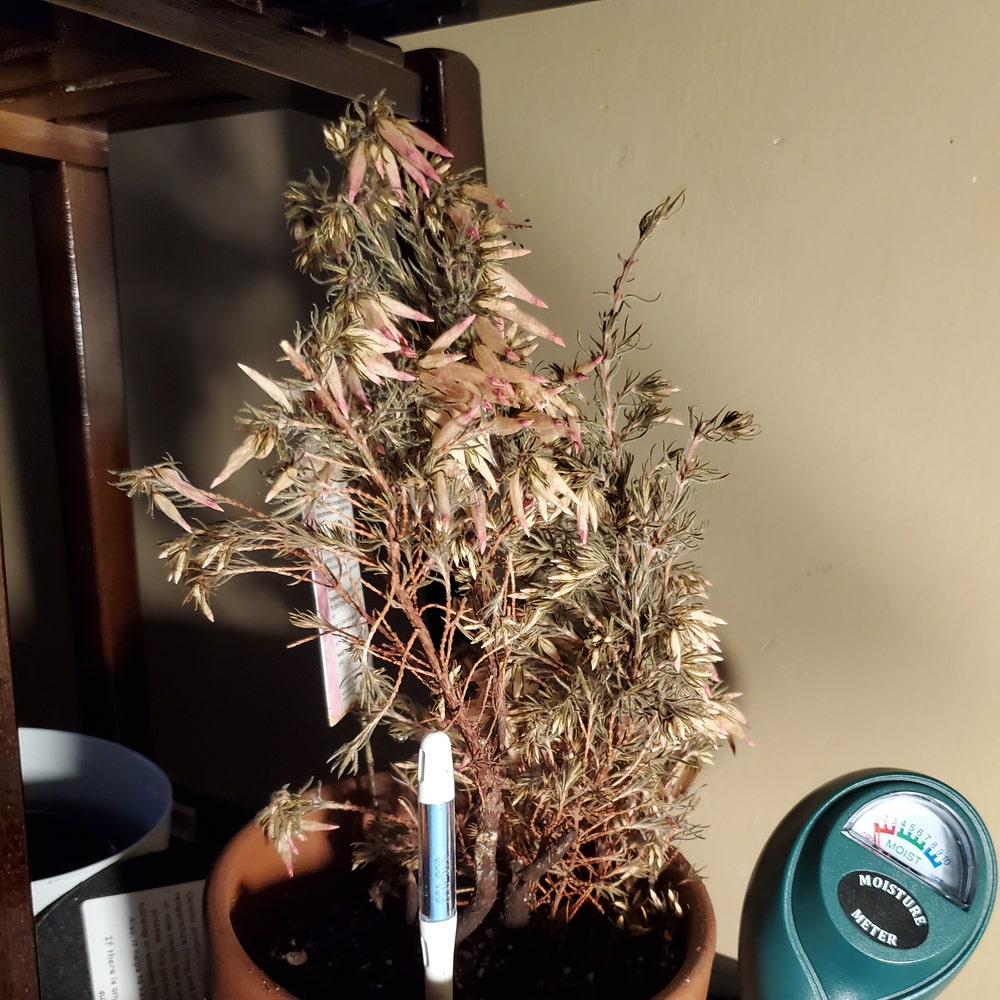
Conversely, too much light can also be detrimental. Symptoms include leaf scorch or browning edges, signaling that your plant is stressed from excessive exposure.
You might also notice wilting, even if you've been diligent with watering. This can be frustrating, but it’s a clear indication that your heather is overwhelmed by the sun.
🛠️ Solutions for Light-Related Problems
Adjusting light exposure is key to resolving these issues. If your plant is leggy, consider moving it to a brighter spot; if it's scorched, find a shadier location.
For indoor plants, using sheer curtains can help diffuse harsh sunlight. This simple adjustment can create a more balanced light environment, allowing your Spring Heather to flourish.
With the right light conditions, your heather will thrive beautifully, setting the stage for a vibrant display. Next, let’s explore how light impacts flowering in Spring Heather.
⚠️ Safety First
This content is for general information and may contain errors, omissions, or outdated details. It is not medical, veterinary advice, or an endorsement of therapeutic claims.
Always consult a qualified healthcare professional before using any plant as food, medicine, or supplement.
Never eat any plant (or feed one to pets) without confirming its identity with at least two trusted sources.
If you suspect poisoning, call Poison Control (800) 222-1222, the Pet Poison Helpline (800) 213-6680, or your local emergency service immediately.
Spotted an error? Please report it here.
Ensure your Spring Heather gets the ideal light ☀️ it craves by using Greg's tailored reminders and tips to keep it blooming beautifully all season long!