❄️ How Fast Your Winter Heath Will Grow
Erica carnea
By the Greg Editorial Team
Sep 30, 2024•6 min read
This article was created with the help of AI so we can cover more plants for you. May contain errors. See one? Report it here.
Nurture Winter Heath 🌱 through its growth stages for a vibrant garden that flourishes year-round!
- 🌱 Winter heath germinates in 2-4 weeks with optimal conditions for growth.
- 🌡️ Ideal temperature for germination is 15°C to 20°C (59°F to 68°F).
- 🌼 Flowers bloom from late winter to early spring, attracting early-season pollinators.
Germination Stage
🌱 Duration of Germination
The germination period for winter heath typically spans 2 to 4 weeks. This timeframe can vary based on several factors, including temperature, moisture levels, and the quality of the seeds.
🌡️ Conditions for Successful Germination
To ensure successful germination, aim for an optimal temperature range of 15°C to 20°C (59°F to 68°F).
Soil Requirements
Winter heath thrives in acidic, well-drained soil rich in organic matter. This type of soil provides the nutrients necessary for robust growth.
Moisture Needs
Consistent moisture is crucial, but avoid waterlogging. Too much water can hinder germination, while too little can dry out the seeds.
Light Exposure
While winter heath seeds can germinate in darkness, some light exposure is beneficial. A little light can stimulate the germination process, helping your seeds sprout more effectively.
With the right conditions in place, your winter heath seeds will be well on their way to sprouting. Next, let’s explore the characteristics of seedlings as they emerge from the soil.
Seedling Stage
Characteristics of Seedlings 🌱
As winter heath seeds germinate, they produce small, needle-like leaves that emerge from the soil. This initial appearance is a sign of life, showcasing the plant's resilience and adaptability.
The growth habit during this stage is compact and low to the ground. This allows the seedlings to establish themselves firmly, preparing for the next phases of growth.
Root development is crucial at this stage. A shallow root system begins to establish, anchoring the plant and absorbing essential nutrients.
Duration of the Seedling Stage ⏳
The typical duration for the seedling stage is around 4 to 8 weeks. This timeframe can vary based on environmental conditions and the care practices you implement.
Factors like temperature, moisture, and light exposure play significant roles in how quickly your seedlings thrive. Providing optimal conditions can lead to a robust transition into the vegetative growth phase.
With a solid understanding of the seedling stage, you're well-equipped to nurture your winter heath. Next, let’s explore the exciting vegetative growth phase, where your plant truly begins to flourish.
Vegetative Growth
Growth Rate During Vegetative Phase 🌱
During the vegetative phase, Winter Heath typically grows at an average rate of 10-20 cm (4-8 inches) per year under optimal conditions. This growth is influenced by several factors, including soil quality, moisture levels, and sunlight exposure.
Notable Changes in Foliage and Structure 🍃
As the plant grows, you'll notice significant changes in its foliage. The leaves become denser and more vibrant, contributing to a lush appearance.
Structural Changes
In addition to foliage, the plant starts to develop a bushier structure. This transformation enhances its overall aesthetic, making it a striking addition to any garden.
Seasonal Changes
Keep in mind that growth may slow during colder months. However, as spring arrives, you can expect a resurgence in growth, bringing renewed life to your Winter Heath.
With an understanding of the vegetative growth phase, you're well-equipped to nurture your Winter Heath effectively. Next, let's explore the flowering stage and what to expect as your plant matures.
Flowering Stage
Timing of Flowering 🌸
Winter heath typically bursts into bloom from late winter to early spring, specifically between February and April. The exact timing can vary based on local climate conditions and the specific variety of the plant.
Characteristics of Flowers 🌼
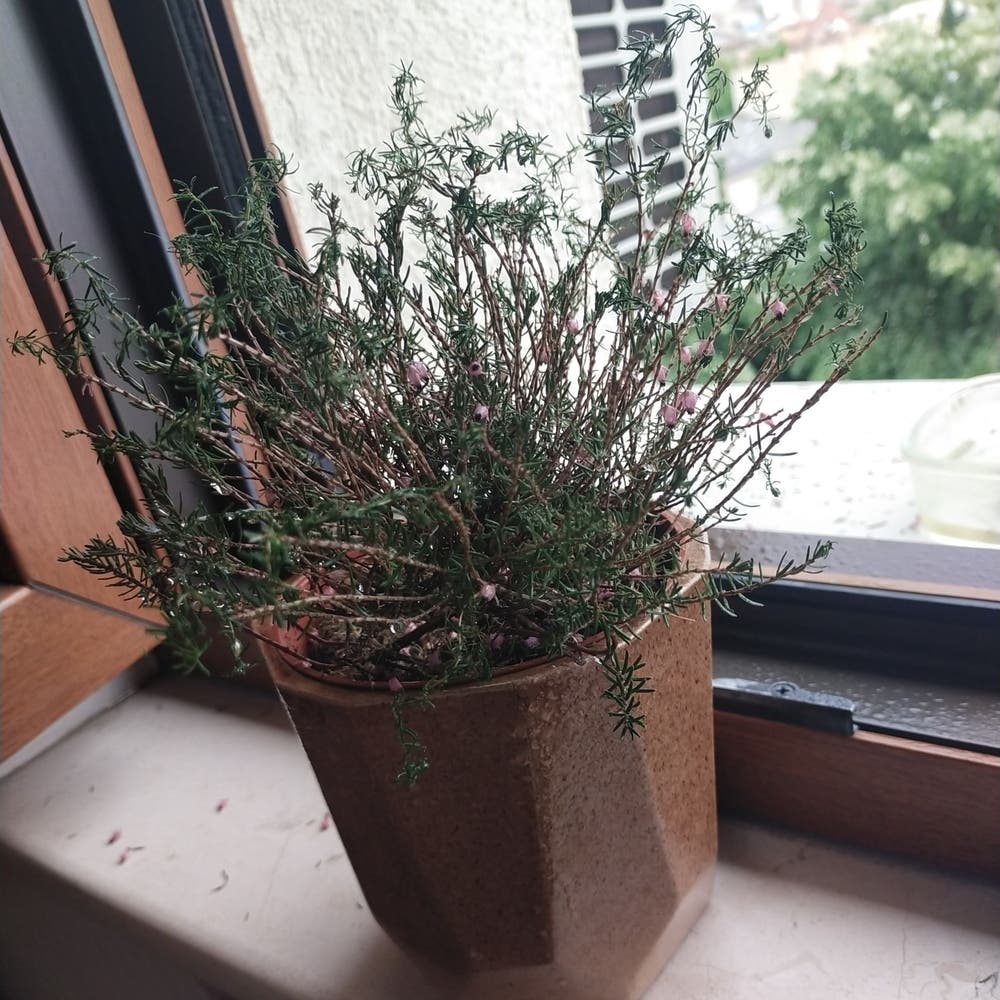
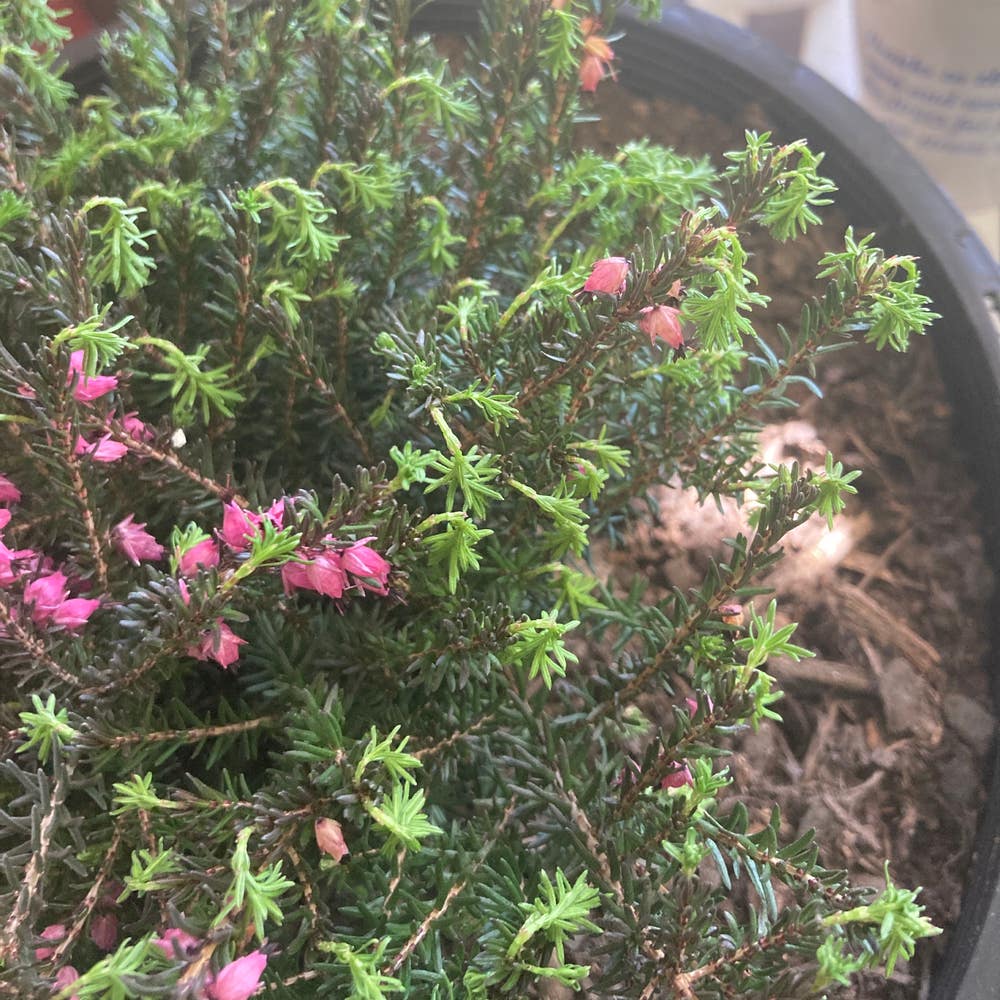
The flowers of winter heath are strikingly bell-shaped, often showcasing shades of pink or white, depending on the variety. These blooms are not just beautiful; they also attract early-season pollinators, such as bees, which play a crucial role in the ecosystem.
Importance of Pollination 🐝
Pollination is vital for the continuation of the species. As bees and other pollinators visit the flowers, they facilitate the reproductive process, ensuring that seeds can develop and grow into new plants.
Flowering Care Tips 🌿
To encourage a robust flowering stage, ensure your winter heath receives adequate sunlight and moisture. Regularly check for pests that might disrupt this delicate phase, as healthy flowers lead to successful seed production.
As the flowering stage wraps up, the plant transitions into the seed production phase, where the cycle of life continues. Understanding this progression is key to nurturing your winter heath effectively.
Seed Production
Process of Seed Production 🌼
Pollination is a crucial step in the seed production process, occurring shortly after flowering. This natural event leads to the formation of seeds within the flower structure, setting the stage for the next generation of Winter Heath.
Duration and Conditions for Seed Maturation ⏳
Once pollination occurs, seeds typically take about 6-8 weeks to mature. For optimal seed maturation, warm temperatures and adequate moisture are essential, ensuring the seeds develop fully and are ready for dispersal.
As you explore the fascinating journey of Winter Heath, understanding its seed production can deepen your appreciation for this resilient plant. Next, we’ll look at the overall lifespan of Winter Heath and the factors that influence its longevity.
Overall Lifespan
Average Lifespan of Winter Heath 🌱
Winter Heath typically enjoys a lifespan of 5 to 10 years. This longevity largely hinges on the care it receives and the environmental conditions it faces.
Factors Affecting Longevity 🌿
Soil Quality
While Winter Heath can thrive in poor soil, it truly flourishes with organic amendments. Quality soil can significantly enhance its health and growth.
Watering Practices 💧
Be cautious with watering; overwatering can lead to root rot, which shortens the plant's lifespan. Striking a balance is key to keeping your Winter Heath thriving.
Pest and Disease Resistance 🐛
Generally, Winter Heath is resilient against pests and diseases. However, it can be susceptible to certain pests, so regular monitoring is essential for maintaining its health.
Understanding these factors can help you maximize the lifespan of your Winter Heath, ensuring it remains a vibrant part of your garden for years to come. As you nurture your plant, keep in mind the importance of proper care and environmental conditions to support its growth.
Next, let's explore the fascinating growth stages of Winter Heath and what to expect as it matures.
Summary of Growth Stages
Understanding the growth stages of Winter Heath is essential for any gardener. This plant goes through distinct phases, each with its own timeline and characteristics.
🌱 Growth Rate Overview
Winter Heath typically takes about 2-4 weeks to germinate, followed by a seedling stage lasting 4-8 weeks. After that, the vegetative growth phase kicks in, where it can grow 10-20 cm (4-8 inches) per year under optimal conditions.
🌿 Notable Changes Throughout Life
As Winter Heath matures, you'll notice its foliage becoming denser and more vibrant. The plant also develops a bushier appearance, especially as it prepares for flowering in late winter to early spring.
❓ Common Questions Answered
You might wonder, "How long until Winter Heath is fully grown?" Generally, it takes about 1-2 years to reach its full potential. Another common question is, "How fast does Winter Heath grow?" With the right care, you can expect steady growth throughout its life cycle.
In summary, Winter Heath is a resilient plant that rewards patience and care. Understanding its growth stages will help you nurture it effectively, leading to a thriving garden. Next, let’s dive into the fascinating flowering stage and what to expect during this colorful period.
⚠️ Safety First
This content is for general information and may contain errors, omissions, or outdated details. It is not medical, veterinary advice, or an endorsement of therapeutic claims.
Always consult a qualified healthcare professional before using any plant as food, medicine, or supplement.
Never eat any plant (or feed one to pets) without confirming its identity with at least two trusted sources.
If you suspect poisoning, call Poison Control (800) 222-1222, the Pet Poison Helpline (800) 213-6680, or your local emergency service immediately.
Spotted an error? Please report it here.
Nurture your winter heath to its full potential with Greg's customized care reminders and expert tips, ensuring vibrant blooms and healthy growth all year round! 🌸