7 Key Winter Strategies for Spring Heather 🌸
Erica carnea
By the Greg Editorial Team
Oct 16, 2024•4 min read
This article was created with the help of AI so we can cover more plants for you. May contain errors. See one? Report it here.
Ensure your spring heather survives winter's chill ❄️ with these vital care tips for vibrant blooms ahead! 🌱
- ❄️🌱 Protect heather from frost with mulch and frost cloths for optimal growth.
- 💧🚫 Water sparingly in winter to prevent overwatering and root rot issues.
- 🌼✂️ Prune in early spring to encourage new growth and a vibrant garden.
Winter Care Strategies
❄️ Frost Protection Techniques
Frost can be a formidable foe for spring heather. To protect your plants, start by applying a layer of organic mulch, about 2-4 inches thick, around the base. This insulates the roots and helps retain moisture.
For extreme cold spells, consider covering your heather with frost cloths or burlap. These materials provide an extra layer of protection against harsh temperatures.
Additionally, think about the location of your plants. Planting in sheltered areas can significantly reduce wind exposure, which is crucial during winter months.
💧 Adjusting Watering Schedules During Winter
As winter sets in, it's essential to adjust your watering schedule. Reduce your watering frequency to once every 2-4 weeks, allowing the soil to dry out between sessions.
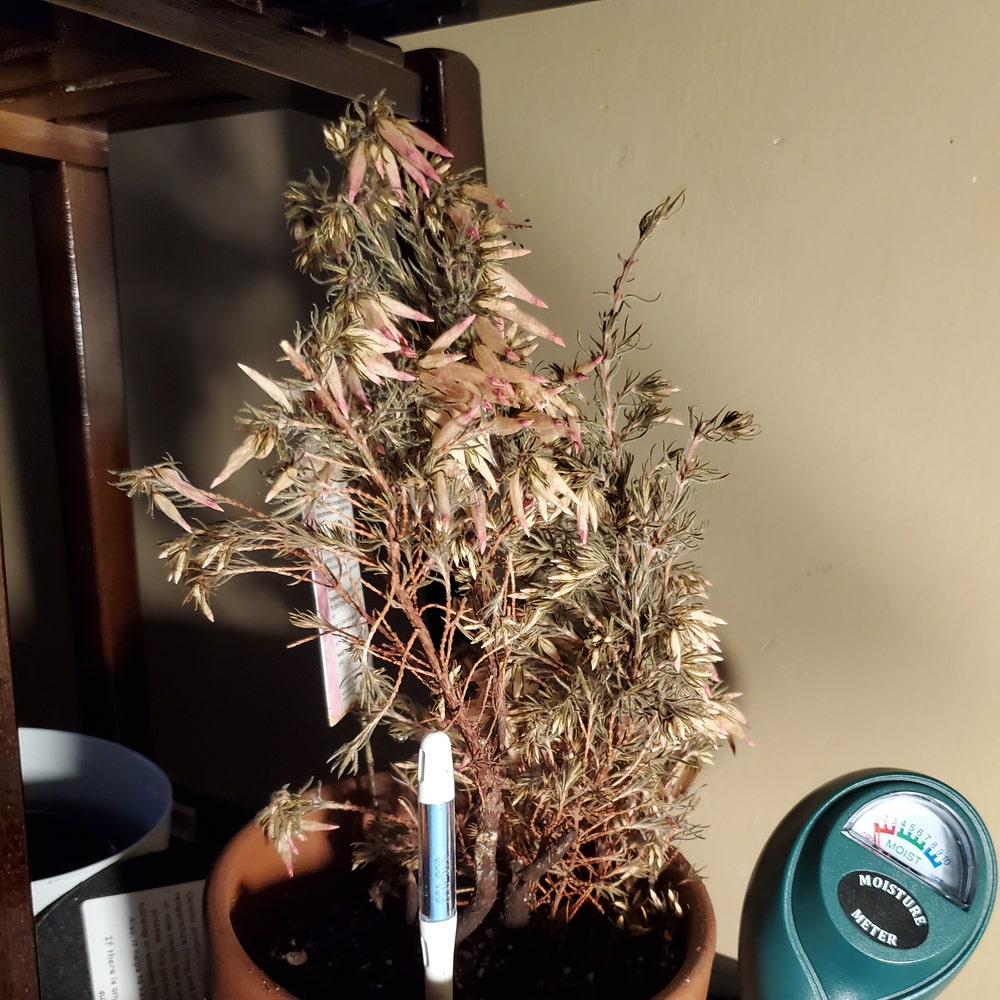
Be vigilant for signs of overwatering, such as yellowing leaves or root rot. To gauge soil moisture, use a moisture meter or simply perform a finger test to ensure your heather is not sitting in soggy soil.
🌱 Fertilizing Considerations for Winter Care
When it comes to fertilization during winter, less is more. Avoid feeding your heather while it's dormant, as this can stimulate unwanted growth.
Instead, focus on pre-winter fertilization. Applying a slow-release fertilizer in late fall helps your plants store essential nutrients for the colder months ahead.
Opt for acidic fertilizers that are specifically suitable for heather. This will ensure your plants receive the right nutrients to thrive when spring arrives.
With these winter care strategies in place, your spring heather will be well-prepared to face the cold. Next, let’s explore how to care for your heather indoors during the winter months.
Indoor Winter Care
🥶 When to Bring Spring Heather Indoors
As winter approaches, it's crucial to monitor temperatures closely. Bring your spring heather indoors when temperatures drop below -5°C (23°F) to protect it from frost damage.
Look for signs of stress, such as yellowing leaves or wilting. These indicators signal that your plant needs the warmth and care of indoor conditions.
🌱 Indoor Care Requirements for Heather
Once indoors, your spring heather will need specific care to thrive. Ensure it receives bright, indirect light to mimic its natural outdoor environment.
Humidity is another key factor. Maintain adequate moisture levels by misting the plant or using pebble trays filled with water.
Adjust your watering schedule to every 1-2 weeks. Always ensure the pots are well-drained to prevent waterlogging, which can lead to root rot.
By following these indoor care tips, your spring heather will stay healthy and vibrant throughout the winter months. This sets the stage for a robust spring growth, ensuring your plant is ready to flourish when the warmer weather arrives.
Spring Preparation
🌨️ Signs of Winter Damage in Spring Heather
As spring arrives, it's crucial to assess your spring heather for any signs of winter damage. Look for leaf discoloration, such as browning or wilting leaves, which can indicate stress from cold temperatures.
Additionally, stunted growth may be evident. If your heather seems less vigorous than usual, it might be struggling to recover from winter's harsh conditions.
Don't forget to conduct a root inspection as well. Check for root rot or damage once the ground thaws, as this can significantly impact your plant's health.
🛠️ Steps for Recovery from Winter Damage
If you notice any damage, take action to help your heather bounce back. Start by pruning damaged areas; removing dead or damaged stems encourages new growth and revitalizes the plant.
Next, consider a soil amendment. Adding fresh, acidic soil can provide the nutrients your heather needs to recover effectively.
Finally, adjust your watering schedule. Gradually increase watering as temperatures rise, ensuring your heather gets the moisture it craves without becoming waterlogged.
✂️ Pruning and Preparing for Spring Growth
Timing is everything when it comes to pruning. The best time to prune your heather is in early spring, just before new growth begins. This allows you to shape the plant while promoting bushiness.
Use light pruning techniques to encourage a fuller appearance. Focus on removing any dead or weak stems, which can hinder growth.
After pruning, it's wise to apply a balanced fertilizer. This will support new growth and ensure your heather thrives throughout the spring season.
As you prepare your spring heather for the warmer months, remember that attentive care can lead to a vibrant and flourishing garden. Next, we’ll explore how to maintain your heather’s health throughout the growing season.
⚠️ Safety First
This content is for general information and may contain errors, omissions, or outdated details. It is not medical, veterinary advice, or an endorsement of therapeutic claims.
Always consult a qualified healthcare professional before using any plant as food, medicine, or supplement.
Never eat any plant (or feed one to pets) without confirming its identity with at least two trusted sources.
If you suspect poisoning, call Poison Control (800) 222-1222, the Pet Poison Helpline (800) 213-6680, or your local emergency service immediately.
Spotted an error? Please report it here.
Keep your spring heather thriving 🌱 by using Greg's tailored care reminders and expert tips to navigate winter and spring with confidence!