🌸 9 Facts About Spring Heather Pollination
Erica carnea
By the Greg Editorial Team
Oct 16, 2024•6 min read
This article was created with the help of AI so we can cover more plants for you. May contain errors. See one? Report it here.
Unlock the secrets of Spring Heather's flower structure 🌸 to enhance pollination and support thriving ecosystems! 🌼
- 🌸 Spring Heather attracts bees, butterflies, and moths with its unique bell-shaped flowers.
- 🌿 Pollination occurs via wind and pollinators, enhancing reproductive success and biodiversity.
- 🐝 Creating a pollinator-friendly garden boosts pollination by planting diverse, blooming species.
Flower Structure
Description of Flower Parts 🌸
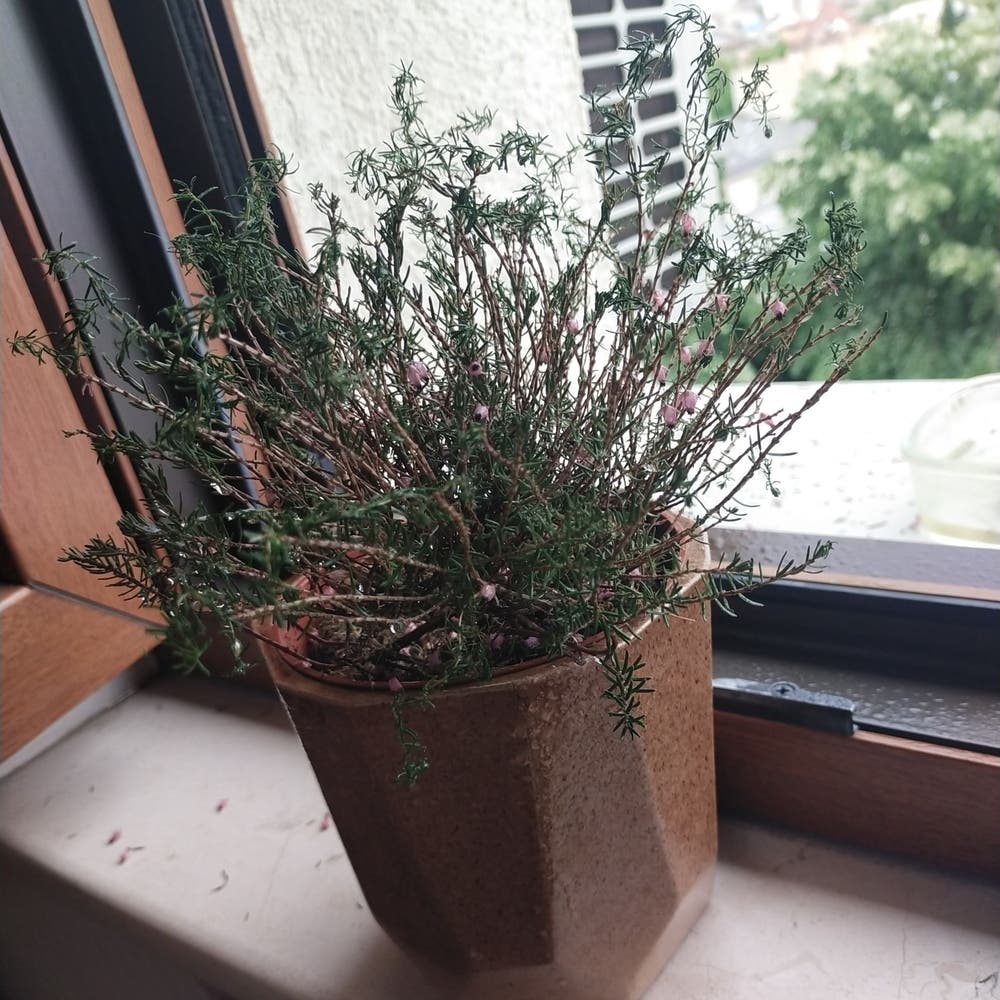
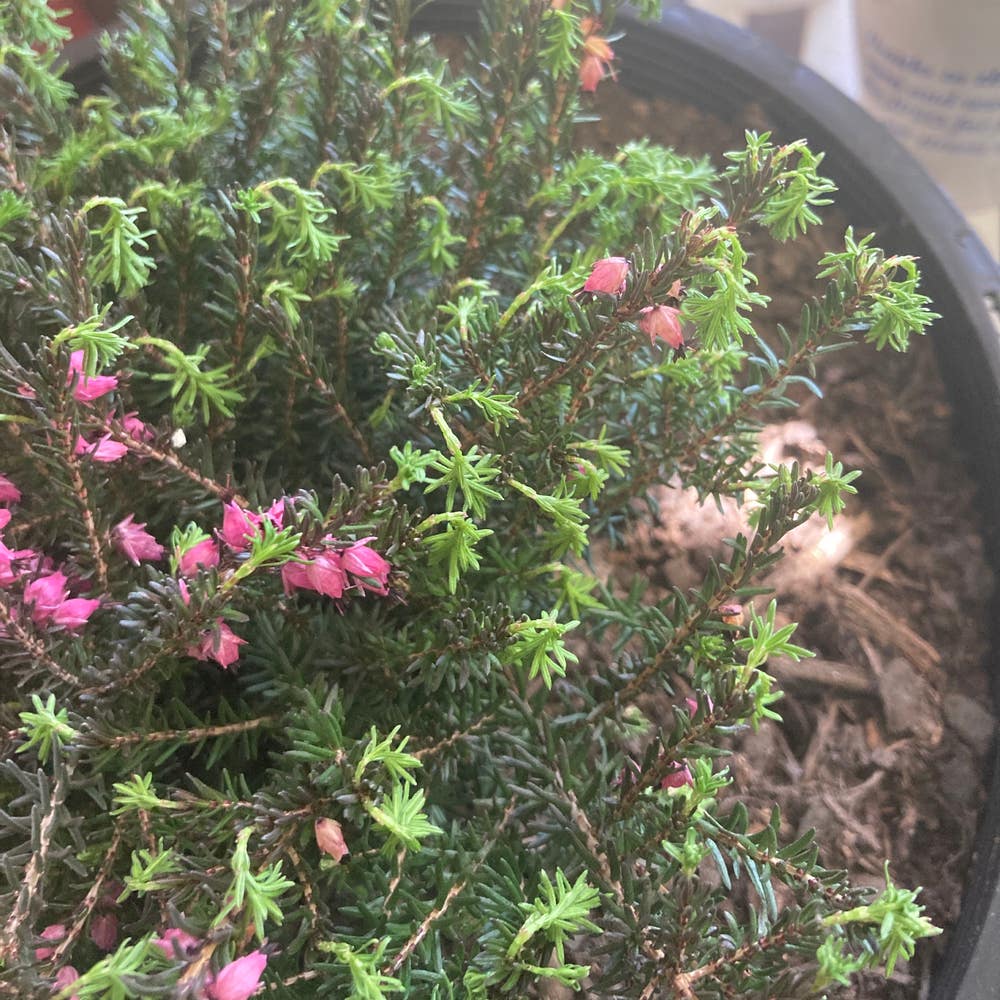
Spring Heather boasts beautiful, bell-shaped petals that are typically pink or purple, arranged in charming clusters. These vibrant flowers are protected by green, leaf-like sepals that shield the delicate buds until they bloom.
Reproductive Components 🐝
The male reproductive parts, known as stamens, produce pollen, while the female parts, called pistils, receive this pollen and develop into seeds. This clear division of labor is essential for the plant's reproductive success.
How Flower Structure Facilitates Pollination 🦋
The unique bell shape of Spring Heather flowers is designed to attract specific pollinators, like bees and butterflies. Their structure allows these insects to easily access the nectar, making pollination a seamless process.
Enhanced Visibility 👀
Additionally, the arrangement of flowers in clusters enhances their visibility, making it easier for pollinators to locate them. This strategic positioning not only draws in more pollinators but also increases the chances of successful pollen transfer.
Conclusion
Understanding the flower structure of Spring Heather reveals how it effectively engages with its pollinators. This intricate relationship is vital for the plant's reproduction and contributes to the overall health of the ecosystem. Next, we’ll explore the fascinating mechanisms of natural pollination and the key players involved.
Natural Pollination
🌬️ Mechanisms of Pollen Transfer
Pollen transfer in Spring Heather occurs primarily through two methods: wind and visiting pollinators. The stamens release pollen, which then travels to the pistils of other flowers, aided by gravity and the flower's unique structure.
The bell-shaped flowers are designed to facilitate this process, making it easier for pollinators to access the pollen and nectar. This structural adaptation not only attracts pollinators but also ensures efficient pollen transfer.
🐝 Primary Pollinators
Bee Pollination
Bees are the stars of the pollination show. They are irresistibly drawn to the vibrant colors and sweet scents of Spring Heather flowers, collecting nectar while inadvertently transferring pollen from one bloom to another.
🦋 Butterfly Pollination
Butterflies add a splash of beauty to the pollination process. Their long proboscis allows them to reach deep into flower clusters, sipping nectar and helping to spread pollen in the process.
🌙 Moth Pollination
Nocturnal moths play their part under the cover of darkness. They visit Spring Heather flowers at night, contributing to the pollination cycle when other pollinators are inactive.
🦅 Hummingbird Pollination
While less common, hummingbirds can also be seen visiting these flowers. Their presence is particularly noted in regions where they thrive, adding another layer of diversity to the pollination efforts.
Understanding these mechanisms and the role of various pollinators is crucial for appreciating the intricate relationships within ecosystems. As we move forward, let’s explore how we can support these vital pollinators in our own gardens.
Hand Pollination
Step-by-Step Instructions for Hand Pollination 🌼
Hand pollination can be a rewarding way to ensure your Spring Heather thrives. Here’s how to do it effectively:
Identify Male and Female Flower Parts:
Start by locating the stamens (male) and pistils (female) within the flower. The stamens are usually more numerous and surround the central pistil.Collecting Pollen:
Gently tap or shake the flower to release pollen. You can catch it on a clean surface or directly onto a small brush.Transferring Pollen:
Use the brush to apply the collected pollen to the stigma of the pistil. This step is crucial for successful fertilization.Timing:
Perform hand pollination during the early morning when flowers are most receptive. This timing maximizes your chances of success.
Identifying Male and Female Flower Parts 🔍
Understanding the flower structure is key. Male parts, or stamens, are typically more numerous and encircle the central pistil. In contrast, female parts (pistils) are usually more prominent and centrally located, making them easier to identify.
With these steps, you can actively participate in the pollination process, enhancing the growth and vitality of your Spring Heather. This hands-on approach not only supports the plant but also deepens your connection to nature.
Next, let’s explore how to create a pollinator-friendly environment to further support these beautiful plants.
Supporting Pollinators
🌼 Creating a Pollinator-Friendly Environment
To support pollinators, plant a diverse range of flowering plants that bloom at different times throughout the year. This ensures a continuous food source, which is crucial for maintaining healthy pollinator populations.
Avoid using pesticides that can harm beneficial insects. Instead, consider natural pest control methods to keep your garden thriving without endangering these vital creatures.
🌸 Companion Plants to Attract Pollinators
Choosing the right companion plants can significantly enhance your garden's appeal to pollinators. Here are some excellent options:
- Lavender: Its fragrant blooms attract bees and butterflies, making it a favorite among pollinators.
- Coneflower: This hardy plant provides nectar for various species, ensuring a steady food supply.
- Yarrow: With its clusters of tiny flowers, yarrow offers both pollen and nectar, drawing in a range of beneficial insects.
By incorporating these plants into your garden, you create a vibrant ecosystem that supports pollinators and enhances biodiversity.
As you cultivate this pollinator-friendly environment, remember that every small effort counts. Your garden can become a sanctuary for these essential creatures, contributing to their survival and the health of our ecosystems.
Next, let’s explore the challenges pollinators face and how we can help overcome them.
Pollination Challenges
🌪️ Common Obstacles to Successful Pollination
Pollination can be a tricky business for Spring Heather, primarily due to environmental factors. Temperature fluctuations and varying humidity levels can significantly impact pollinator activity, making it harder for these essential creatures to do their job.
Drought conditions pose another challenge, as they can reduce flower production and limit nectar availability. When flowers struggle to bloom, pollinators have less incentive to visit, which can lead to lower seed production.
🛠️ Solutions for Overcoming Pollination Challenges
Fortunately, there are practical steps you can take to support pollination efforts. Implementing irrigation systems can help maintain soil moisture during dry spells, ensuring that flowers have the resources they need to thrive.
Additionally, planting a diverse array of pollinator-friendly species can attract a wider range of pollinators. This diversity not only enhances pollination but also creates a vibrant ecosystem.
Lastly, keeping an eye on local weather conditions can help you time your planting and flowering. By aligning these activities with optimal weather, you can boost the chances of successful pollination.
As we explore the next section, let’s dive into how we can create a more welcoming environment for our buzzing and fluttering friends.
⚠️ Safety First
This content is for general information and may contain errors, omissions, or outdated details. It is not medical, veterinary advice, or an endorsement of therapeutic claims.
Always consult a qualified healthcare professional before using any plant as food, medicine, or supplement.
Never eat any plant (or feed one to pets) without confirming its identity with at least two trusted sources.
If you suspect poisoning, call Poison Control (800) 222-1222, the Pet Poison Helpline (800) 213-6680, or your local emergency service immediately.
Spotted an error? Please report it here.
Enhance your garden's pollination success 🌱 by using Greg's tailored care reminders to create a welcoming environment for Spring Heather and its vital pollinators!