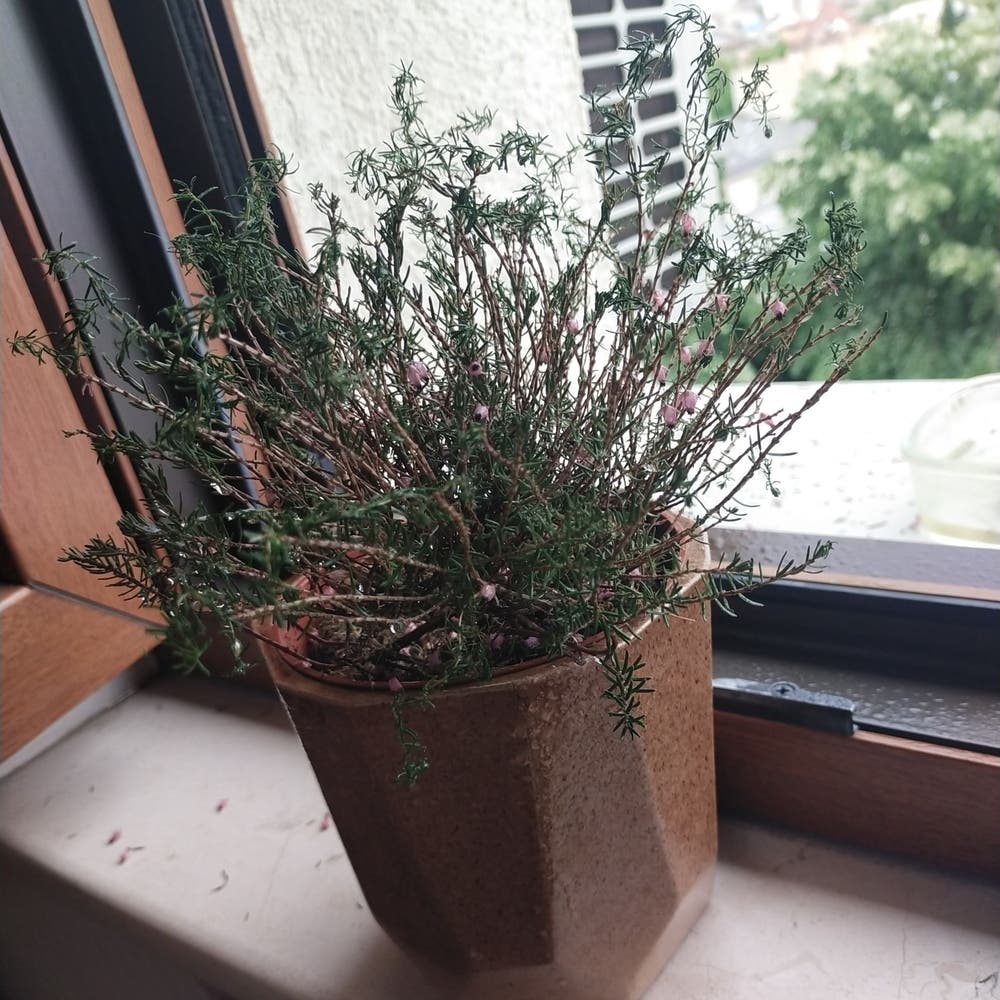
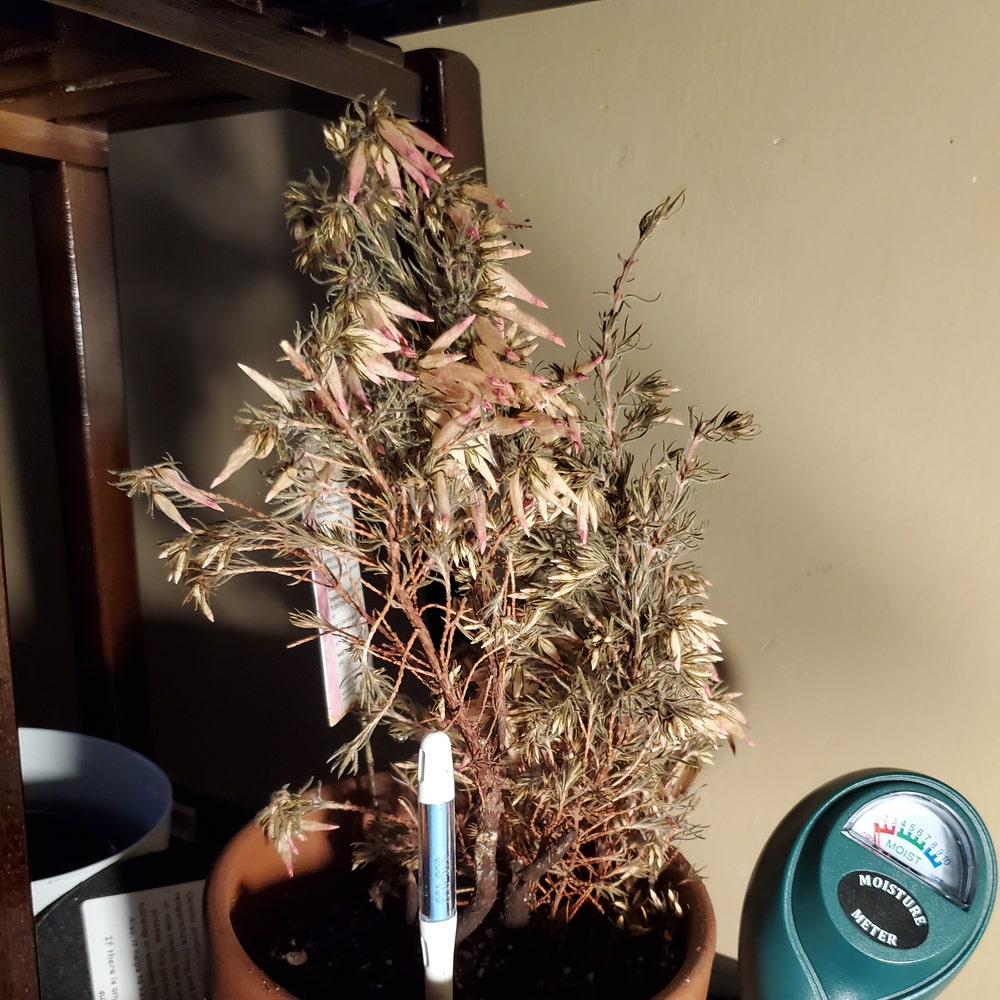
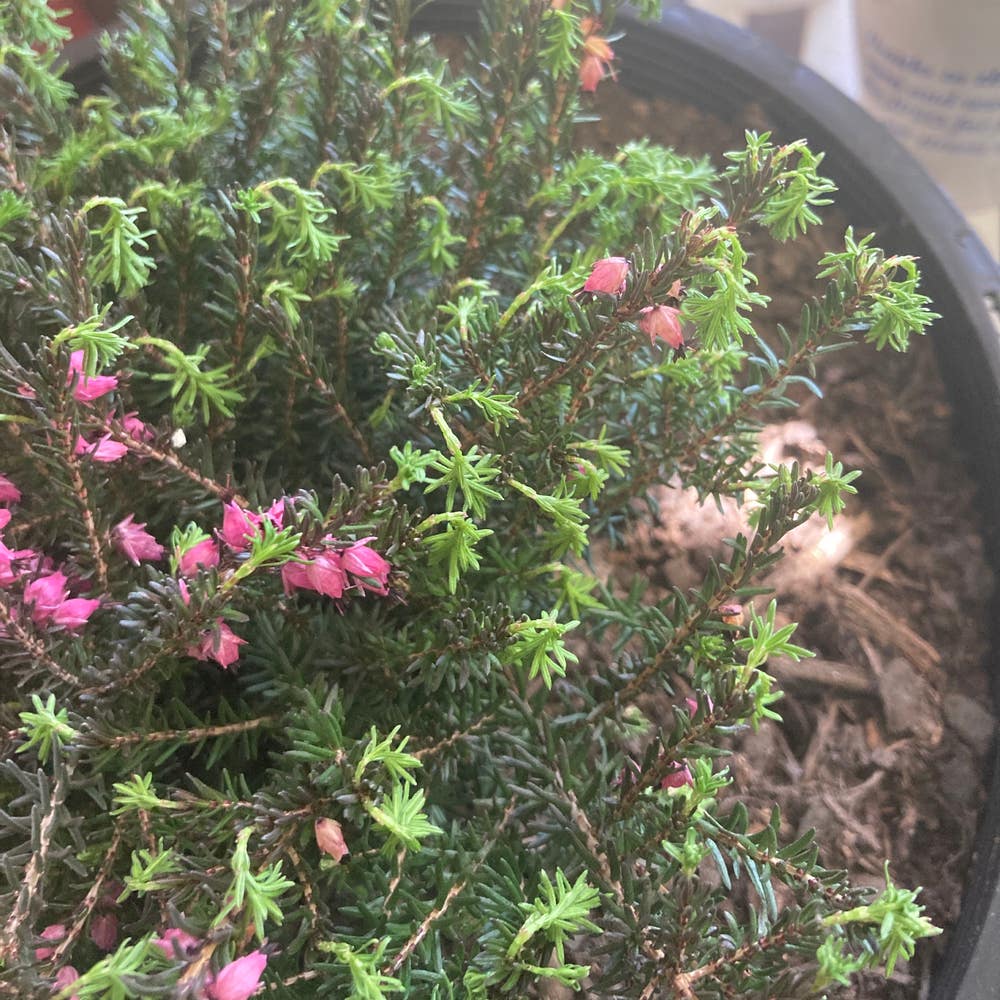
🌸 Spring Heather Is a Perennial
Erica carnea
By the Greg Editorial Team
Oct 16, 2024•5 min read
This article was created with the help of AI so we can cover more plants for you. May contain errors. See one? Report it here.
Elevate your garden effortlessly with resilient Spring Heather 🌿, a perennial that thrives beautifully year after year!
- 🌼 Spring Heather thrives for years with minimal care, enhancing garden beauty effortlessly.
- 🌱 Robust roots ensure regrowth each spring, making it a resilient perennial choice.
- 🌞 Optimal sun and well-drained soil maximize growth and visual appeal in gardens.
Characteristics of Spring Heather as a Perennial
🌱 Multi-Year Lifecycle
Spring Heather is a remarkable perennial, thriving for multiple years with minimal intervention. Its lifecycle showcases resilience, allowing it to flourish season after season.
The secret to its longevity lies in its robust root system. Each year, Spring Heather regrows from these established roots, ensuring a vibrant return every spring.
🌿 Growth Patterns
Over the years, Spring Heather develops a dense, bushy form that adds texture to any garden. Its growth habits are steady, creating a lush landscape that evolves beautifully with time.
Typically, Spring Heather flowers in early spring, offering a stunning display of color. This flowering cycle not only enhances its aesthetic appeal but also attracts pollinators, enriching the garden ecosystem.
🌍 Adaptability
One of Spring Heather's standout features is its adaptability. It thrives in various soil types and conditions, making it a versatile choice for gardeners.
Whether in sandy, loamy, or clay soils, Spring Heather can establish itself and flourish. This resilience allows it to be a reliable option for diverse gardening environments, ensuring beauty and sustainability year after year.
As we explore the seasonal changes and dormancy of Spring Heather, we’ll uncover how it navigates the challenges of winter and re-emerges with renewed vigor in spring.
Seasonal Changes and Dormancy
💤 Dormancy Periods
Spring Heather experiences a winter dormancy period, where growth significantly slows down. During this time, the plant conserves energy, allowing it to survive harsh conditions.
Typically, this dormancy lasts from late fall until early spring. Factors like temperature drops and reduced daylight trigger this essential phase.
🌱 Seasonal Changes Impacting Growth and Flowering
As spring approaches, signs of re-emergence become evident. Look for fresh green shoots pushing through the soil, signaling that Spring Heather is ready to grow again.
Temperature and moisture levels play crucial roles in this process. Warmer temperatures and adequate moisture encourage robust growth and vibrant flowering, ensuring a stunning display in your garden.
Understanding these seasonal changes can help you better care for your Spring Heather, maximizing its beauty and longevity. With the right conditions, this perennial can thrive year after year, bringing joy to your garden.
Advantages of Perennial Nature
🌱 Benefits for Gardeners
One of the standout advantages of Spring Heather is its perennial nature, which significantly reduces the need for annual replanting. This means less time and effort spent on re-establishing your garden each year.
Additionally, Spring Heather boasts established root systems that provide robust water and nutrient uptake. These deep roots not only support the plant's health but also enhance its resilience against drought conditions.
⏳ Expected Lifespan
With proper care, Spring Heather can live for several years, often thriving for a decade or more. This longevity makes it a valuable addition to any garden, offering consistent beauty season after season.
However, several factors influence its lifespan. Environmental conditions, soil quality, and care practices all play crucial roles in determining how long your Spring Heather will flourish. By providing the right conditions, you can ensure that your plants remain vibrant and healthy for years to come.
As you consider the advantages of incorporating Spring Heather into your garden, it's essential to think about how to maximize its benefits. This leads us to explore variations across climate zones and how they impact growth and longevity.
Variations Across Climate Zones
🌍 Influence of Different Climate Zones
Spring Heather is remarkably adaptable, thriving in a variety of climate conditions. This resilience allows it to flourish from temperate regions to more extreme environments.
In different areas, Spring Heather exhibits unique growth patterns and flowering cycles. For instance, in milder climates, it may bloom earlier in the spring, while in cooler zones, flowering can be delayed.
⏳ Factors Affecting Longevity
Soil type and drainage play crucial roles in the health and longevity of Spring Heather. Well-draining soil is essential, as overly saturated conditions can lead to root rot and other issues.
Temperature and moisture levels also significantly influence growth and flowering. Consistent moisture during active growth periods promotes vibrant blooms, while extreme temperatures can stress the plant, affecting its overall vitality.
Understanding these factors can help gardeners tailor their care for Spring Heather, ensuring it thrives regardless of the climate. As we explore the next section, we'll delve into how to maximize the benefits of this perennial in your garden planning.
Maximizing Benefits in Garden Planning
🌸 Tips for Incorporating Spring Heather
Companion Planting
Spring Heather thrives alongside various plants, enhancing both beauty and biodiversity. Consider pairing it with low-growing perennials like sedums or creeping thyme, which complement its vibrant blooms and share similar care requirements.
Design Considerations
Positioning is key for optimal growth and visual appeal. Plant Spring Heather in well-drained areas with full sun exposure, allowing its colorful flowers to stand out against contrasting foliage. Grouping them in clusters can create a stunning focal point in your garden.
🌱 Long-Term Cultivation Strategies
Maintenance Practices
To ensure healthy growth over the years, regular pruning is essential. Trim back spent flowers and any dead or damaged stems to encourage new growth and maintain a tidy appearance.
Seasonal Care Tips
During dormancy, reduce watering to prevent root rot. As spring approaches, gradually increase moisture and monitor for signs of new growth, adjusting care based on temperature and moisture levels to support robust flowering.
By incorporating these strategies, you can maximize the benefits of Spring Heather in your garden, ensuring it remains a vibrant and resilient perennial for years to come.
⚠️ Safety First
This content is for general information and may contain errors, omissions, or outdated details. It is not medical, veterinary advice, or an endorsement of therapeutic claims.
Always consult a qualified healthcare professional before using any plant as food, medicine, or supplement.
Never eat any plant (or feed one to pets) without confirming its identity with at least two trusted sources.
If you suspect poisoning, call Poison Control (800) 222-1222, the Pet Poison Helpline (800) 213-6680, or your local emergency service immediately.
Spotted an error? Please report it here.
Transform your garden with the resilient beauty of Spring Heather 🌱, and let Greg provide tailored care reminders to help your perennials thrive effortlessly for years to come!