🌸 Step-by-Step Guide to Fertilizing Your Spring Heather
Erica carnea
By the Greg Editorial Team
Oct 16, 2024•5 min read
This article was created with the help of AI so we can cover more plants for you. May contain errors. See one? Report it here.
Boost your spring heather blooms 🌸 with the perfect fertilizers and timing for stunning garden growth! 🌱
- 🌱 Choose between organic and synthetic fertilizers for optimal spring heather growth.
- 📅 Fertilize in early spring and late summer for best blooming results.
- ⚖️ Maintain low nitrogen levels to encourage vibrant flowers over foliage.
Types of Fertilizers Suitable for Spring Heather
🌱 Organic Fertilizers
Organic fertilizers are a fantastic choice for nurturing your spring heather. Common options include compost, well-rotted manure, and fish emulsion.
These fertilizers improve soil structure and provide slow-release nutrients, ensuring your plants receive a steady supply of nourishment over time. This method not only supports healthy growth but also enhances the overall health of your garden ecosystem.
⚗️ Synthetic Fertilizers
On the other hand, synthetic fertilizers can be highly effective for quick results. Balanced NPK fertilizers are popular among gardeners looking for immediate nutrient availability.
These fertilizers offer precise nutrient ratios, allowing you to tailor your approach based on your heather's specific needs. This can be particularly beneficial if you're aiming for rapid growth or addressing specific deficiencies in your soil.
In summary, both organic and synthetic fertilizers have their unique advantages. Choosing the right type depends on your gardening goals and the specific needs of your spring heather.
Next, let’s explore the recommended N-P-K ratios that will help your heather thrive.
Recommended N-P-K Ratios
Ideal Ratios 🌱
When it comes to fertilizing spring heather, the right N-P-K ratio is crucial. Opt for ratios like 5-10-10 or 10-20-20 to ensure your plants thrive.
The first number represents nitrogen (N), which supports leaf growth. The second number, phosphorus (P), promotes root development and flowering, while the third number, potassium (K), enhances overall plant health and resistance to disease.
Importance of Low Nitrogen Levels 🚫
Maintaining low nitrogen levels is essential for heather. High nitrogen can lead to excessive foliage growth, which often comes at the expense of beautiful blooms.
By keeping nitrogen in check, you encourage your heather to focus on producing vibrant flowers rather than just lush leaves. This balance is key to a stunning spring display.
With the right N-P-K ratios and a focus on low nitrogen, your heather will flourish beautifully. Next, let’s discuss the best timing for fertilization to maximize growth and blooms.
Timing of Fertilization
Best Time to Fertilize 🌱
Timing is crucial when it comes to fertilizing your spring heather. Early spring, specifically from March to April, is the ideal window for your initial application, setting the stage for robust growth.
As the blooming season approaches, a pre-bloom fertilization in late summer ensures your plants have the nutrients they need to flourish. This two-step approach maximizes both growth and flowering potential.
Seasonal Fertilization Schedule 📅
To keep your heather thriving, consider a monthly fertilization plan during its active growth phase.
- March: Start with your initial application to kick off the growing season.
- April: Follow up with a second application to maintain nutrient levels.
- May: A third application rounds out the spring feeding.
Adjust this schedule based on your local climate conditions. If you experience a cooler spring, you might delay applications slightly, while warmer climates may require more frequent feeding.
By adhering to this timing strategy, you’ll help your spring heather reach its full potential, ensuring vibrant blooms and healthy growth. Next, let’s dive into the application methods to make the most of your fertilization efforts.
Application Methods
Step-by-Step Guide to Applying Fertilizer 🌱
Applying fertilizer to your spring heather can be straightforward. Start by choosing the right type of fertilizer, whether organic or synthetic.
Next, measure the appropriate amount according to the package instructions. This ensures your plants receive just what they need without excess.
Once measured, apply the fertilizer evenly around the base of the plant. This helps distribute nutrients effectively.
Finally, water thoroughly after application to activate the nutrients. This step is crucial for ensuring your heather can absorb the benefits.
How to Avoid Over-Fertilizing 🚫
Over-fertilizing can be detrimental to your heather. It's essential to follow the recommended rates to prevent nutrient overload.
Watch for signs of over-fertilization, such as leaf burn or wilting. These symptoms indicate that your plants may be receiving too much fertilizer.
Adjust your application frequency based on how your plants respond. If you notice any adverse effects, consider scaling back your fertilization schedule.
By being mindful of these practices, you can foster a healthy environment for your spring heather to thrive. Next, let’s explore how to troubleshoot any fertilization issues you might encounter.
Troubleshooting Fertilization Issues
🌱 Identifying Signs of Over-Fertilization
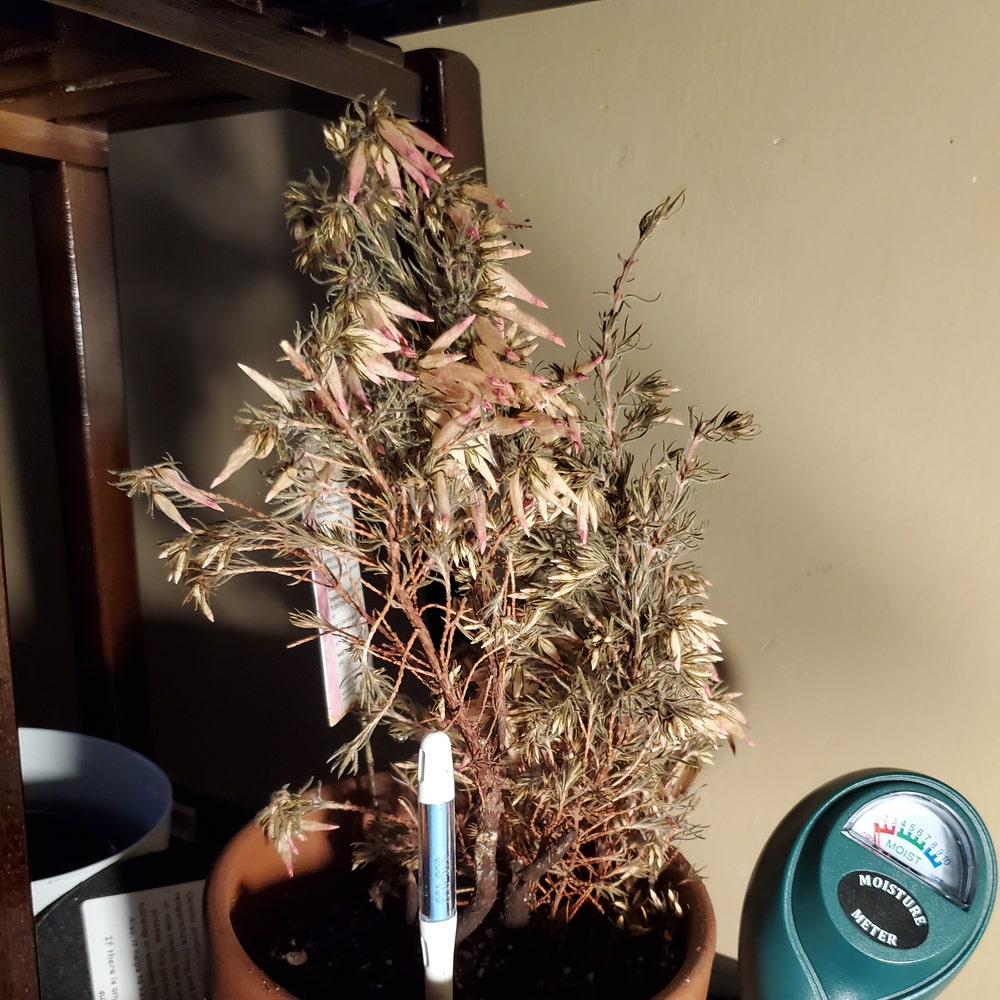
Over-fertilization can be detrimental to your spring heather. Common symptoms include leaf burn, wilting, and stunted growth.
Look for visual indicators such as brown tips on leaves and excessive leaf drop. These signs often signal that your plant is overwhelmed by nutrients.
🚿 Solutions for Nutrient Burn
If you suspect nutrient burn, immediate action is crucial. Flushing the soil with water can help dilute excess fertilizer and restore balance.
For long-term solutions, consider adjusting your fertilization practices. This might mean reducing the frequency or amount of fertilizer used.
🌸 Addressing Poor Blooming
If your heather isn't blooming as expected, it’s time to evaluate your nutrient balance. Adjusting the N-P-K ratios can make a significant difference in flower production.
Timing is also essential. Ensure that your fertilization aligns with the blooming phase to maximize flower potential.
By keeping an eye on these factors, you can maintain a healthy, vibrant spring heather that thrives in your garden.
⚠️ Safety First
This content is for general information and may contain errors, omissions, or outdated details. It is not medical, veterinary advice, or an endorsement of therapeutic claims.
Always consult a qualified healthcare professional before using any plant as food, medicine, or supplement.
Never eat any plant (or feed one to pets) without confirming its identity with at least two trusted sources.
If you suspect poisoning, call Poison Control (800) 222-1222, the Pet Poison Helpline (800) 213-6680, or your local emergency service immediately.
Spotted an error? Please report it here.
Elevate your spring heather's blooms 🌼 by using Greg's personalized fertilization reminders to keep your plants thriving with the perfect nutrient balance!