🌸 9 Tips for Blooming Your Heather
Erica carnea
By the Greg Editorial Team
Oct 16, 2024•5 min read
This article was created with the help of AI so we can cover more plants for you. May contain errors. See one? Report it here.
Unlock vibrant gardens and boost biodiversity with Spring Heather's stunning blooms and resilience! 🌸🌿
- 🌸 Spring Heather blooms in vibrant colors, enhancing garden aesthetics and attracting pollinators.
- 🌱 Proper care like acidic soil and sunlight encourages blooming and prolongs flower life.
- ✂️ Pruning after flowering promotes new growth, ensuring vibrant blooms for next season.
Flowering Status
Clarification on Flower Production 🌸
Spring Heather is indeed a flowering plant, showcasing beautiful blooms in shades of pink, purple, and white. These vibrant colors not only enhance the aesthetic appeal of gardens but also play a vital role in attracting pollinators.
As a flowering plant, Spring Heather contributes significantly to landscapes, providing both visual interest and ecological benefits. Its flowers create a stunning display, making it a popular choice for gardeners looking to add color and life to their outdoor spaces.
In summary, Spring Heather is more than just foliage; its flowers are essential for both beauty and biodiversity in gardens. This makes it a fantastic addition to any landscape, whether you're aiming for a vibrant garden or a serene natural setting.
With this understanding of its flowering capabilities, let’s explore the characteristics of those lovely blooms next.
If Spring Heather Flowers
🌸 Flower Characteristics
Description of Colors and Structure
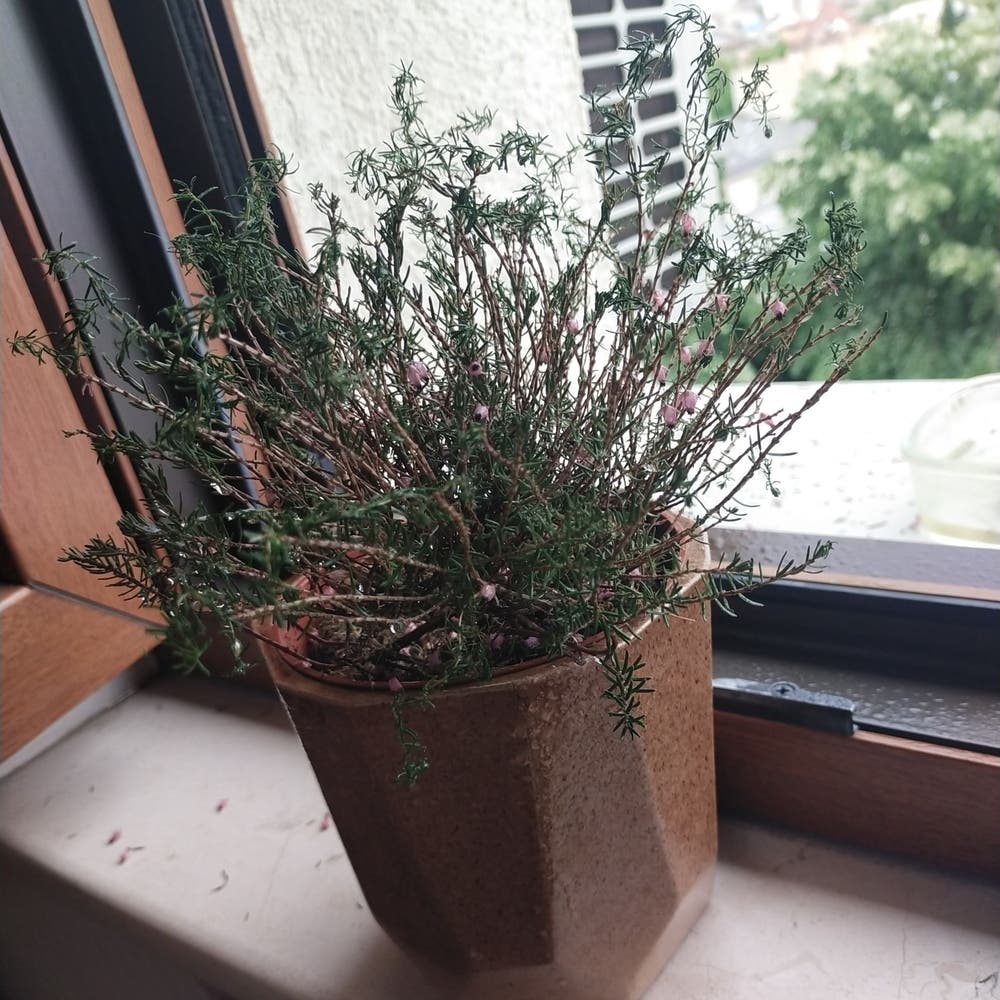
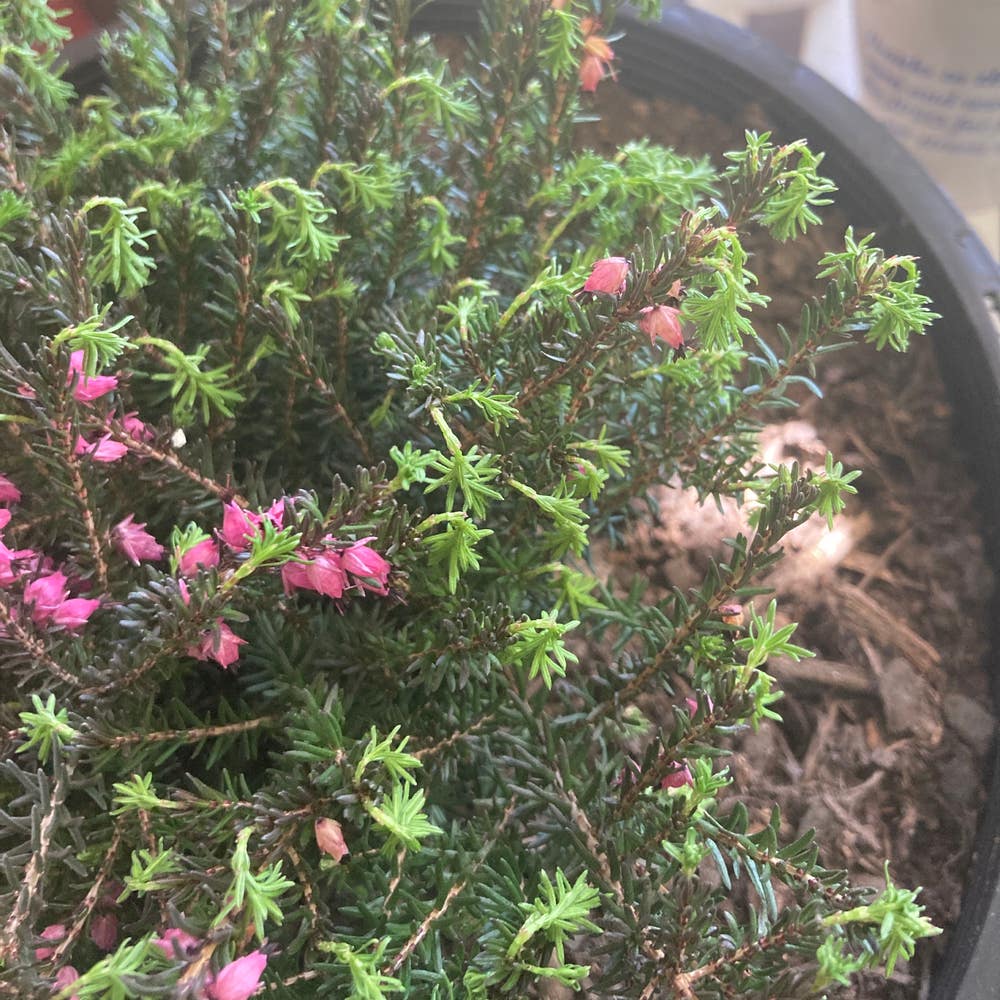
Spring Heather is a vibrant addition to any garden, showcasing flowers in shades of pink, purple, and white. These small, bell-shaped flowers cluster together in dense formations known as flower spikes, creating a stunning visual display.
Self-Pollination vs. External Pollination
This hardy plant primarily relies on self-pollination, making it efficient in producing seeds. However, it also attracts external pollinators like bees, enhancing genetic diversity and contributing to a healthier ecosystem.
🌼 Blooming Process
Stages of Blooming and Typical Bloom Time
The blooming process unfolds in three key stages: bud formation, opening, and full bloom. Typically, Spring Heather begins to flower in early spring, with blooms lasting several weeks, delighting gardeners during this vibrant season.
Duration from Bud Formation to Full Bloom
From the moment buds form, it takes about 2-3 weeks for the flowers to reach full bloom. This relatively quick transition allows for a burst of color in your garden.
Lifespan of Flowers
Once in bloom, the flowers usually last up to a month before they start to fade. This lifespan provides ample time for you to enjoy their beauty.
🌱 Encouraging Blooms
Tips for Promoting Blooming
To encourage abundant blooms, ensure your Spring Heather thrives in acidic, well-drained soil. It also benefits from adequate sunlight, ideally full sun to partial shade, and regular watering—just avoid waterlogging.
Factors Influencing Flowering
Several factors can influence blooming success, including soil quality, sunlight exposure, and proper pruning. Paying attention to these elements can significantly enhance your plant's flowering potential.
🌿 Post-Flowering
What Happens After Flowering
After flowering, Spring Heather enters a growth cycle where it continues to thrive. Pruning is essential during this phase, as it encourages new growth and prepares the plant for the next blooming season.
Clarification on Lifespan After Flowering
It's important to note that Spring Heather does not die after flowering; it continues to grow and can provide beauty year-round.
🐝 Pollination
Description of Pollination Methods
Spring Heather's self-pollination method is efficient, ensuring seed production even in less-than-ideal conditions. External pollinators play a crucial role too, enhancing genetic diversity and contributing to a robust plant population.
This understanding of Spring Heather's flowering process sets the stage for exploring what happens when it doesn't flower, revealing its unique ornamental features and resilience.
If Spring Heather Doesn't Flower
Primary Ornamental or Functional Features 🌿
Even when Spring Heather isn't in bloom, it still shines in the garden. Its lush foliage provides a vibrant ground cover, adding texture and color throughout the year.
This hardy plant is perfect for rock gardens, where it thrives in well-drained soil. Its low-maintenance nature makes it an excellent choice for busy gardeners looking for beauty without the fuss.
Reproductive Strategies Without Flowers 🌱
Spring Heather has clever ways to sustain itself without relying solely on flowers. One key method is vegetative propagation, where the plant produces new shoots from its roots or stems.
This strategy allows it to maintain its population effectively, ensuring that even without blooms, the plant continues to thrive in various environments. It's a testament to nature's resilience and adaptability.
In summary, Spring Heather's beauty and functionality extend beyond its flowers, making it a valuable addition to any landscape. As we explore the unique aspects of this plant, you'll discover even more fascinating traits that enhance its appeal.
Unique Aspects
Unusual Characteristics Related to Flowering or Non-Flowering Nature 🌸
Spring Heather is a fascinating plant with a variety of flowering times and colors. Depending on the specific variety, you might see blooms ranging from vibrant pinks to deep purples and whites, making it a versatile choice for any garden.
Additionally, Spring Heather exhibits remarkable resilience. It thrives in various soil conditions and climates, adapting well to both acidic and well-drained environments. This adaptability makes it a favorite among gardeners looking for low-maintenance options.
Interesting Facts or Trivia 🤓
Did you know that Spring Heather has historical significance? In many cultures, its flowers symbolize admiration and protection, often used in traditional ceremonies.
Moreover, this plant has unique adaptations that allow it to flourish in challenging environments. Its ability to survive in poor soil and withstand drought conditions showcases its tenacity and makes it a valuable addition to any landscape.
As you explore the world of Spring Heather, you'll find that its charm goes beyond just its blooms. Understanding these unique aspects can deepen your appreciation for this resilient plant and inspire you to incorporate it into your garden.
⚠️ Safety First
This content is for general information and may contain errors, omissions, or outdated details. It is not medical, veterinary advice, or an endorsement of therapeutic claims.
Always consult a qualified healthcare professional before using any plant as food, medicine, or supplement.
Never eat any plant (or feed one to pets) without confirming its identity with at least two trusted sources.
If you suspect poisoning, call Poison Control (800) 222-1222, the Pet Poison Helpline (800) 213-6680, or your local emergency service immediately.
Spotted an error? Please report it here.
Elevate your garden with vibrant Spring Heather blooms 🌷 by using Greg's tailored care tips and watering reminders to keep your flowers thriving all season long!