🌸 3 Do's and Don'ts of Growing Winter Heath
Erica carnea
By the Greg Editorial Team
Sep 30, 2024•6 min read
This article was created with the help of AI so we can cover more plants for you. May contain errors. See one? Report it here.
Cultivate a vibrant Winter Heath garden with essential tips for thriving plants! 🌱
- 🌞 Optimal sunlight is crucial; aim for 4-6 hours daily for healthy Winter Heath.
- 🌱 Acidic soil with pH 5.5-6.5 is essential; test and amend for best growth.
- 💧 Ensure proper drainage to prevent root rot; consider raised beds or sand mixing.
Site Selection and Soil Preparation
Choosing the right location 🌞
Selecting the ideal spot for your Winter Heath is crucial. Aim for full sun to partial shade, ensuring your plants receive at least 4-6 hours of sunlight daily.
Consider microclimates as well. Look for sheltered areas that can protect your plants from harsh winds, promoting healthier growth.
Soil requirements and preparation techniques 🧑🌾
Winter Heath thrives in acidic, well-draining soil with a pH between 5.5 and 6.5. Start by testing your soil's pH and amend it as necessary to create the perfect environment.
Next, incorporate organic matter like peat moss to enhance drainage. This step is vital for creating a hospitable habitat for your plants.
Importance of drainage for Winter Heath 🚰
Proper drainage is essential to prevent root rot, a common issue for Winter Heath. Without it, your plants may struggle to thrive.
To ensure adequate drainage, consider using raised beds or mounds. Additionally, mixing in sand or perlite can significantly improve soil drainage, giving your plants the best chance to flourish.
With the right location and soil preparation, you're setting the stage for a vibrant Winter Heath garden. Next, let’s explore effective planting techniques to help your plants take root successfully.
Planting Techniques
Step-by-step planting guide for Winter Heath 🌱
Planting Winter Heath is straightforward and rewarding. Start by timing your planting for early spring or fall, when conditions are optimal.
- Timing: Best planted in early spring or fall.
- Digging the hole: Create a hole that is twice the width of the root ball and the same depth.
- Positioning: Place the plant at the same depth it was in the pot.
- Backfilling: Gently pack soil around the roots and water thoroughly.
Outdoor vs. container planting considerations 🏡
Deciding between outdoor and container planting can impact your Winter Heath's growth.
- Outdoor planting: Ensure adequate spacing of 12-18 inches apart to allow for healthy growth.
- Container growing: Choose pots with drainage holes to prevent waterlogging. Use a suitable potting mix that is both acidic and well-draining.
Spacing and depth for optimal growth 📏
Proper spacing and depth are crucial for the success of your Winter Heath.
- Recommended spacing: Maintain 12-18 inches between plants for outdoor planting.
- Depth: Ensure the root ball is level with the soil surface to promote healthy growth.
With these planting techniques in mind, you're well on your way to cultivating vibrant Winter Heath. Next, let’s explore the essential watering and fertilizing practices to keep your plants thriving.
Watering and Fertilizing
💧 Watering requirements for Winter Heath
Watering Winter Heath is crucial for its health. Aim to water regularly, especially during dry spells, to keep the soil consistently moist.
Be on the lookout for signs of overwatering, such as yellowing leaves and wilting. These symptoms indicate that your plant might be drowning rather than thriving.
🌱 Best practices for fertilizing
To ensure robust growth, apply a balanced, slow-release fertilizer in early spring. This timing helps your Winter Heath kick off the growing season with the nutrients it needs.
Opt for acidic fertilizers that are specifically suitable for ericaceous plants. This will help maintain the right soil conditions for optimal health.
📅 Seasonal adjustments in watering and fertilizing
As temperatures rise in spring and summer, increase your watering frequency. Your Winter Heath will appreciate the extra moisture during its active growth phase.
In contrast, reduce watering in fall and winter when the plants are dormant. They require less moisture during these cooler months, so adjust accordingly to prevent overwatering.
With these watering and fertilizing tips, your Winter Heath will flourish beautifully. Next, let’s explore the essential pruning and maintenance techniques to keep your plants healthy year-round.
Pruning and Maintenance
🌿 When and how to prune Winter Heath
Pruning Winter Heath is essential for its health and appearance. The best time to prune is late spring, right after the flowering period.
To prune effectively, start by removing any dead or damaged branches. This not only improves the plant's look but also encourages new growth. Lightly shaping the plant helps maintain its form, ensuring it remains vibrant and healthy.
🔄 Ongoing care routine for healthy growth
Regular inspections are key to keeping your Winter Heath thriving. Check for pests and diseases that could hinder its growth.
Mulching is another vital practice. Applying a layer of mulch helps retain moisture and suppress weeds, creating a healthier environment for your plants.
🚨 Signs of stress and how to address them
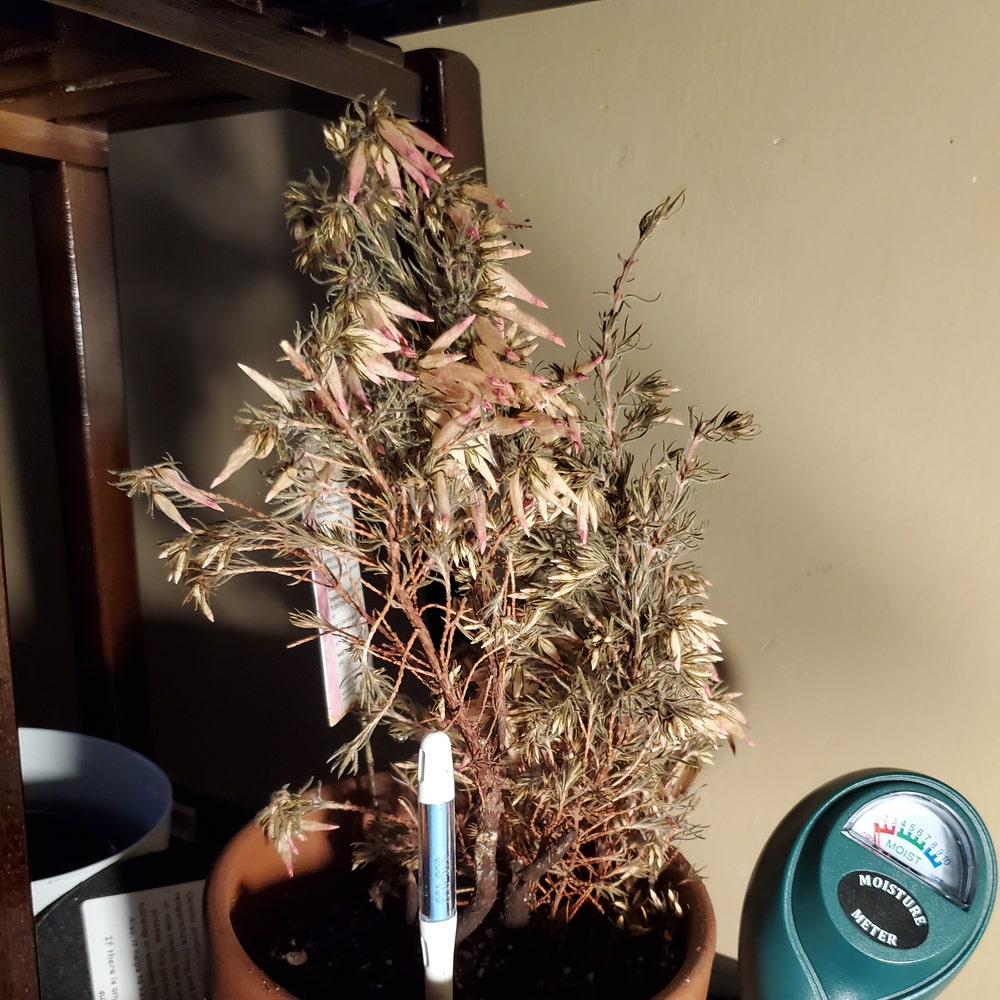
Watch for signs of stress in your Winter Heath, such as wilting, yellowing leaves, or stunted growth. These symptoms can indicate underlying issues that need attention.
To address these problems, adjust your watering practices and check for pests. Amending the soil may also be necessary to restore balance and promote healthy growth.
With proper pruning and maintenance, your Winter Heath will flourish, setting the stage for a vibrant garden. Next, let’s explore common challenges and solutions to keep your plants in top shape.
Common Challenges and Solutions
🐛 Identifying Common Pests and Diseases Affecting Winter Heath
Winter Heath can face several challenges from pests and diseases. Common pests include aphids, spider mites, and scale insects, which can sap the plant's vitality.
Diseases like root rot and powdery mildew can also pose significant threats. Keeping an eye out for these issues is crucial for maintaining healthy plants.
🌱 Solutions for Poor Growth or Wilting
If your Winter Heath shows signs of poor growth or wilting, start by diagnosing the problem. Assess your watering practices and soil conditions to pinpoint the issue.
To remedy these problems, improve drainage, adjust your watering frequency, and treat any pests you may find. A little attention can go a long way in reviving your plants.
❄️ Tips for Winter Protection and Care
As winter approaches, protecting your Winter Heath becomes essential. Apply a thick layer of mulch around the base to insulate the roots from freezing temperatures.
In extreme cold, consider covering your plants with burlap or frost cloth. This extra layer of protection can make all the difference in ensuring your plants thrive come spring.
With these strategies, you can tackle common challenges and keep your Winter Heath flourishing through the seasons. Next, let’s explore the best practices for pruning and maintenance to ensure ongoing health and vitality.
⚠️ Safety First
This content is for general information and may contain errors, omissions, or outdated details. It is not medical, veterinary advice, or an endorsement of therapeutic claims.
Always consult a qualified healthcare professional before using any plant as food, medicine, or supplement.
Never eat any plant (or feed one to pets) without confirming its identity with at least two trusted sources.
If you suspect poisoning, call Poison Control (800) 222-1222, the Pet Poison Helpline (800) 213-6680, or your local emergency service immediately.
Spotted an error? Please report it here.
Master the art of growing Winter Heath with Greg's personalized care tips 🌱 that provide tailored watering reminders and soil pH guidance to help your plants flourish!