🌸 Humidity Needs for Your Spring Heather
Erica carnea
By the Greg Editorial Team
Oct 16, 2024•4 min read
This article was created with the help of AI so we can cover more plants for you. May contain errors. See one? Report it here.
Unlock your Spring Heather's full potential 🌱 by mastering local humidity with these essential care strategies!
- 🌧️ Spring Heather thrives at 40-60% humidity; monitor levels for optimal health.
- 📱 Use apps and hygrometers to assess local humidity and adjust care accordingly.
- 🌬️ Good air circulation prevents mold; balance humidity with proper drainage techniques.
Local Humidity Considerations
Assessing Your Local Humidity Levels 🌧️
Understanding your local humidity is crucial for the health of your Spring Heather. You can determine humidity levels using weather apps, hygrometers, or local climate data.
Regular monitoring helps you adjust care practices effectively. This ensures your plants thrive in their specific environment.
Seasonal Variations in Humidity 🌸
Humidity levels can fluctuate significantly with the seasons. During spring, for instance, you may notice higher humidity, while winter often brings drier air.
Adjust your care practices accordingly. For example, increase watering during dry spells and reduce it when humidity is high.
Geographic Factors Affecting Humidity 🗺️
Your geographic location plays a vital role in humidity management. Coastal areas typically experience higher humidity compared to inland regions.
Elevation and urban versus rural settings also impact humidity. Understanding these factors helps you tailor your Spring Heather care to suit your environment.
By being aware of local conditions, you can create the ideal atmosphere for your plants to flourish.
Strategies for Managing Humidity
🌱 Boosting Humidity for Spring Heather
Using Humidifiers
Humidifiers can be a game-changer for your Spring Heather. You have two main types: cool mist and warm mist, each with its benefits.
For optimal effectiveness, place your humidifier near your plants but not directly on them. Regular maintenance is key; clean it often to prevent mold buildup.
Grouping Plants Together
Creating a microclimate is simple when you group your plants. This arrangement helps retain humidity, benefiting your Spring Heather.
Aim for a spacing of about a few inches between pots to allow for air circulation while still creating a humid environment.
Pebble Trays and Water Bowls
Setting up pebble trays is straightforward. Fill a shallow tray with pebbles and water, ensuring that your pots sit above the water level.
Additionally, placing water bowls near your plants can significantly increase local humidity. This method is easy and effective for keeping your Spring Heather happy.
🌬️ Reducing Humidity for Spring Heather
Air Circulation Techniques
Good air circulation is essential to prevent mold and mildew. Without it, your plants can suffer.
Consider using fans, opening windows, or strategically placing plants to enhance airflow. This will help maintain a balanced humidity level.
Choosing the Right Potting Mix
Selecting the right potting mix is crucial for managing moisture. Look for mixes that promote drainage and reduce moisture retention.
Acidic soil is particularly important for the health of your Spring Heather. This will ensure your plants thrive without excess humidity.
Avoiding Overwatering
Overwatering can be detrimental to your Spring Heather. Stick to a consistent watering schedule, allowing the top inch of soil to dry out between waterings.
Watch for signs of overwatering, such as yellowing leaves or root rot. Adjust your watering techniques accordingly to keep your plants healthy.
These strategies will help you manage humidity effectively, ensuring your Spring Heather flourishes throughout the seasons. Next, let's explore how to measure humidity accurately for optimal plant care.
Measuring Humidity
🛠️ Tools for Measuring Humidity
To effectively manage humidity for your Spring Heather, you'll need the right tools. Hygrometers and moisture meters are your best friends in this endeavor.
Hygrometers measure the moisture in the air, while moisture meters gauge the soil's moisture levels. Using these tools is straightforward: place the hygrometer in the vicinity of your plants and insert the moisture meter into the soil to get accurate readings.
📊 Understanding Humidity Readings
Interpreting humidity readings is crucial for your plant's health. Ideally, Spring Heather thrives in humidity levels between 40% and 60%.
If your hygrometer shows lower readings, consider increasing humidity through methods like grouping plants or using pebble trays. Conversely, if readings are too high, you may need to improve air circulation or adjust your watering practices.
Regularly checking these readings allows you to tailor your care, ensuring your Spring Heather remains vibrant and healthy.
Common Humidity-Related Issues
🌿 Signs of Humidity Stress in Spring Heather
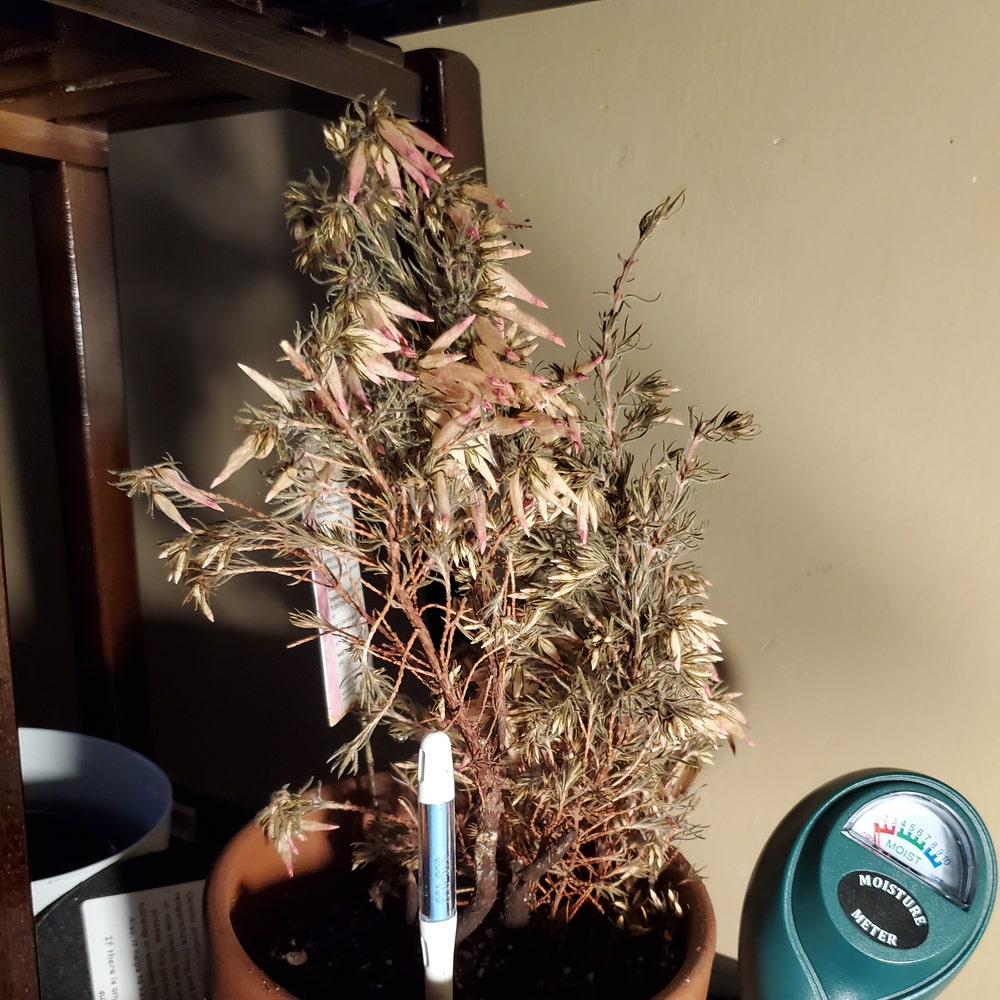
Humidity stress can manifest in several ways. Keep an eye out for visual indicators like leaf curling, discoloration, and wilting.
Behavioral signs are just as telling. If your Spring Heather shows reduced growth or fewer flowers, it’s time to investigate humidity levels.
💧 Solutions for Humidity-Related Problems
Addressing humidity issues requires a systematic approach. Start by assessing your environment and identifying whether humidity is too low or too high.
For Low Humidity:
- Increase moisture with humidifiers or pebble trays.
- Group plants together to create a microclimate.
For High Humidity:
- Improve air circulation using fans or open windows.
- Ensure proper drainage by selecting the right potting mix.
Adjust your care practices based on these observations. Regular monitoring will help you maintain the ideal conditions for your Spring Heather’s health.
⚠️ Safety First
This content is for general information and may contain errors, omissions, or outdated details. It is not medical, veterinary advice, or an endorsement of therapeutic claims.
Always consult a qualified healthcare professional before using any plant as food, medicine, or supplement.
Never eat any plant (or feed one to pets) without confirming its identity with at least two trusted sources.
If you suspect poisoning, call Poison Control (800) 222-1222, the Pet Poison Helpline (800) 213-6680, or your local emergency service immediately.
Spotted an error? Please report it here.
Ensure your Spring Heather flourishes by mastering humidity levels with Greg's tailored reminders and tips for optimal care! 🌿