Best Temperature Conditions for Spring Heather ☀️
Erica carnea
By the Greg Editorial Team
Oct 16, 2024•3 min read
This article was created with the help of AI so we can cover more plants for you. May contain errors. See one? Report it here.
Ensure your spring heather thrives 🌱 by mastering temperature stress management with these essential care tips!
- 🌡️ Temperature stress causes wilting, discoloration, and leaf scorch in spring heather.
- ❄️ Cold snaps and heat waves significantly impact spring heather's health and blooming.
- 🌱 Proper care and monitoring can enhance resilience against temperature fluctuations.
Temperature Stress in Spring Heather
🌡️ Signs of Temperature Stress
Temperature stress can manifest in various ways in spring heather.
Symptoms of Cold Stress
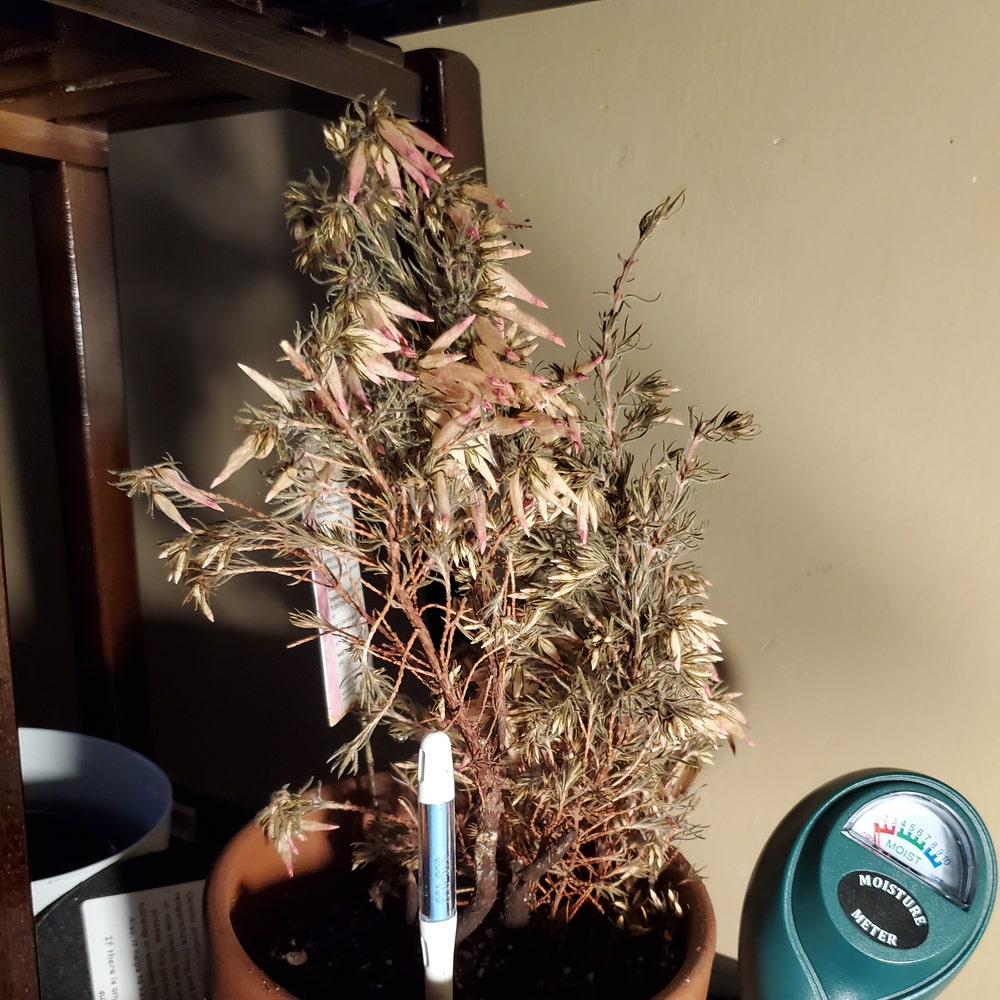
Look out for wilting leaves and discoloration, which may appear as yellowing or browning. These signs indicate that your plant is struggling with low temperatures.
Symptoms of Heat Stress
On the flip side, heat stress can lead to wilting and drooping. You might also notice leaf scorch, characterized by browning edges, signaling that your heather is overwhelmed by the heat.
🔍 Causes of Temperature Stress
Understanding the causes of temperature stress is crucial for effective management.
Cold Snaps
Sudden drops in temperature during spring or fall can catch your plants off guard. These unexpected cold snaps can lead to significant stress.
Heat Waves
Prolonged periods of high temperatures, especially those exceeding 30°C (86°F), can be detrimental. Heat waves can push your spring heather beyond its comfort zone.
Soil Drainage Impact
Poor soil drainage can exacerbate temperature stress. When soil retains too much moisture, it can lead to root problems, making plants more vulnerable to temperature fluctuations.
🚀 Recovery Strategies for Stressed Spring Heather
If your spring heather shows signs of stress, don’t worry—there are effective recovery strategies.
Immediate Actions for Cold Stress
Start by mulching to insulate the roots. This simple step can provide much-needed warmth during chilly nights. Additionally, covering plants during frost events can protect them from sudden temperature drops.
Immediate Actions for Heat Stress
For heat stress, providing shade during peak sun hours is essential. This can help reduce the temperature around your plants. Increasing watering frequency is also crucial to maintain soil moisture and keep your heather hydrated.
By recognizing the signs of temperature stress and implementing these recovery strategies, you can help your spring heather thrive despite challenging conditions. Next, let’s explore the geographic considerations that influence the growth of spring heather.
Geographic Considerations
🌱 Hardiness Zones Suitable for Spring Heather
Spring heather thrives best in USDA hardiness zones 4 to 8. Understanding these zones is crucial for successful planting and care.
In these zones, you can expect the right balance of temperature and moisture for optimal growth. Planting in the appropriate zone helps ensure your heather can withstand seasonal changes.
🌡️ Regional Temperature Variations and Their Implications
Northern regions face colder temperatures and longer winters, which can impact the growth cycle of spring heather. These conditions may delay blooming and require additional care during frost periods.
Conversely, southern regions experience higher temperatures, increasing the risk of heat stress. This makes it essential to monitor your plants closely during hot spells.
Understanding your local climate is vital for successful growth. Tailoring your care strategies to your specific region can lead to healthier, more vibrant spring heather.
As you consider these geographic factors, you'll be better equipped to nurture your plants through seasonal challenges.
⚠️ Safety First
This content is for general information and may contain errors, omissions, or outdated details. It is not medical, veterinary advice, or an endorsement of therapeutic claims.
Always consult a qualified healthcare professional before using any plant as food, medicine, or supplement.
Never eat any plant (or feed one to pets) without confirming its identity with at least two trusted sources.
If you suspect poisoning, call Poison Control (800) 222-1222, the Pet Poison Helpline (800) 213-6680, or your local emergency service immediately.
Spotted an error? Please report it here.
Keep your spring heather thriving 🌼 by using Greg for personalized care tips and reminders that help you tackle temperature stress head-on!