What to Do About Leaves Falling Over on Your Spring Heather 🌸
Erica carnea
By the Greg Editorial Team
Oct 16, 2024•5 min read
This article was created with the help of AI so we can cover more plants for you. May contain errors. See one? Report it here.
Revive your drooping Spring Heather 🌿 with these quick fixes for a vibrant garden transformation!
- 🌬️ Temperature fluctuations and strong winds can cause Spring Heather leaves to droop.
- 🌱 Well-drained, acidic soil is crucial for healthy Spring Heather growth.
- 🐛 Regular pest inspections prevent infestations that lead to leaf drop.
Causes of Leaves Falling Over
🌪️ Environmental Stress Factors
Temperature fluctuations can wreak havoc on your Spring Heather. Extreme heat or cold can lead to leaf stress, causing them to droop or fall over.
Wind exposure is another culprit. Strong winds can physically stress the plant, leading to damaged leaves and an overall weakened structure.
🌱 Soil Conditions and Moisture Levels
For healthy heather, ideal soil conditions are crucial. Well-drained, acidic soil is a must for optimal growth.
Overwatering can be just as harmful. Look for signs like yellowing leaves and root rot, which indicate your plant is drowning.
On the flip side, underwatering can also cause issues. Indicators include wilting and crispy leaf edges, signaling that your heather needs a drink.
🥦 Nutrient Deficiencies
Nutrient deficiencies can significantly impact your heather's health. Common deficiencies include nitrogen, phosphorus, and potassium.
Symptoms of these deficiencies often manifest as stunted growth and pale foliage. If you notice these signs, it’s time to reassess your fertilization strategy.
🐛 Pest Infestations
Pests can be a major headache for Spring Heather. Common offenders include aphids, spider mites, and scale insects.
Signs of pest damage are hard to miss. Look for discoloration, webbing, and leaf drop, which indicate that your plant is under attack.
🦠 Disease-Related Issues
Diseases can also plague your heather. Root rot and fungal infections are among the most common issues.
Symptoms of disease include wilting, discoloration, and mushy roots. If you spot these signs, immediate action is necessary to save your plant.
Understanding these causes is the first step in addressing the issue of leaves falling over. Next, we’ll explore how to diagnose the problem effectively.
Diagnosing the Problem
Identifying Symptoms of Drooping Leaves 🌿
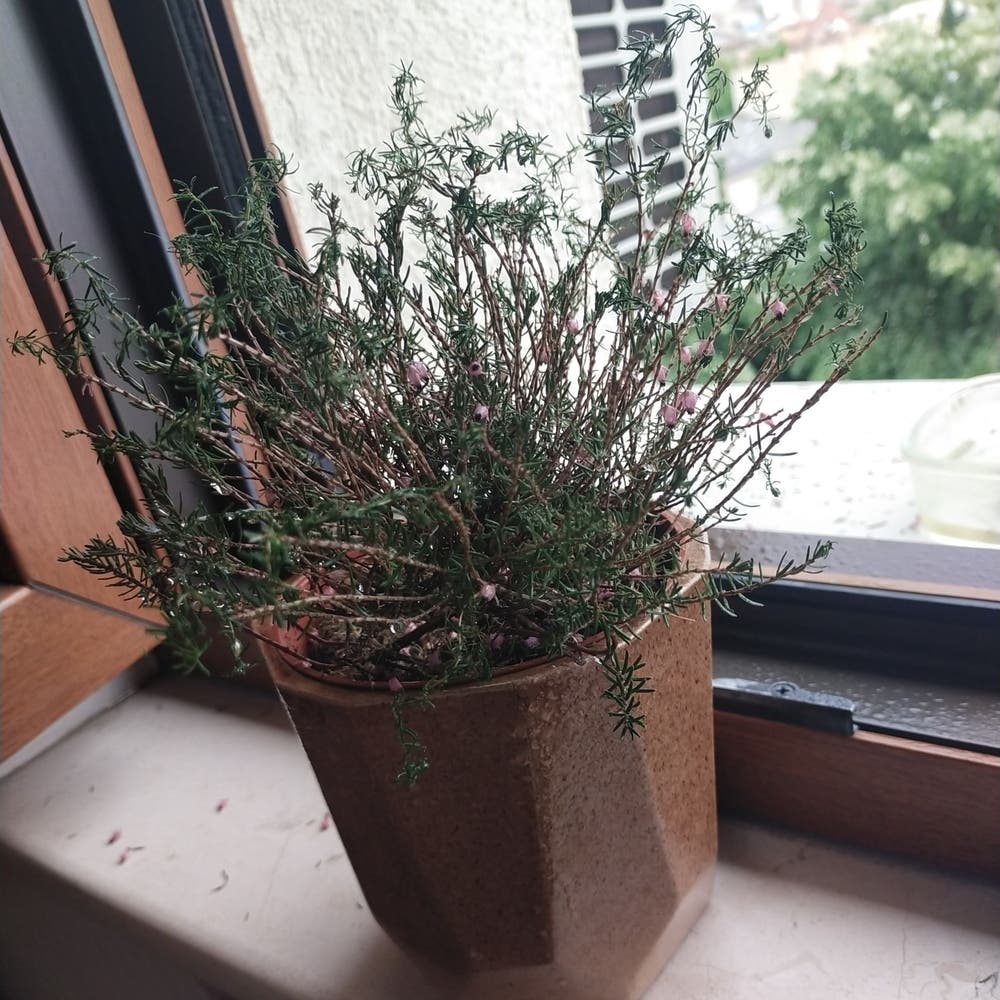
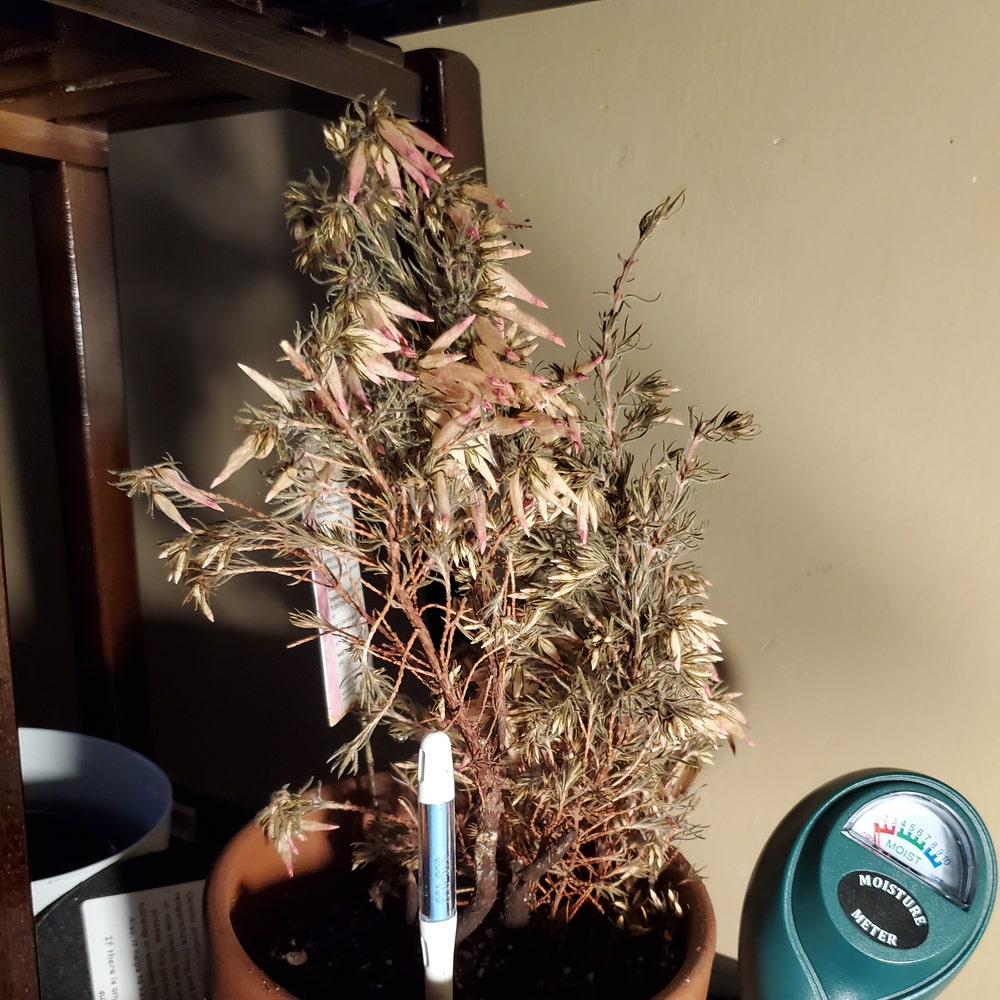
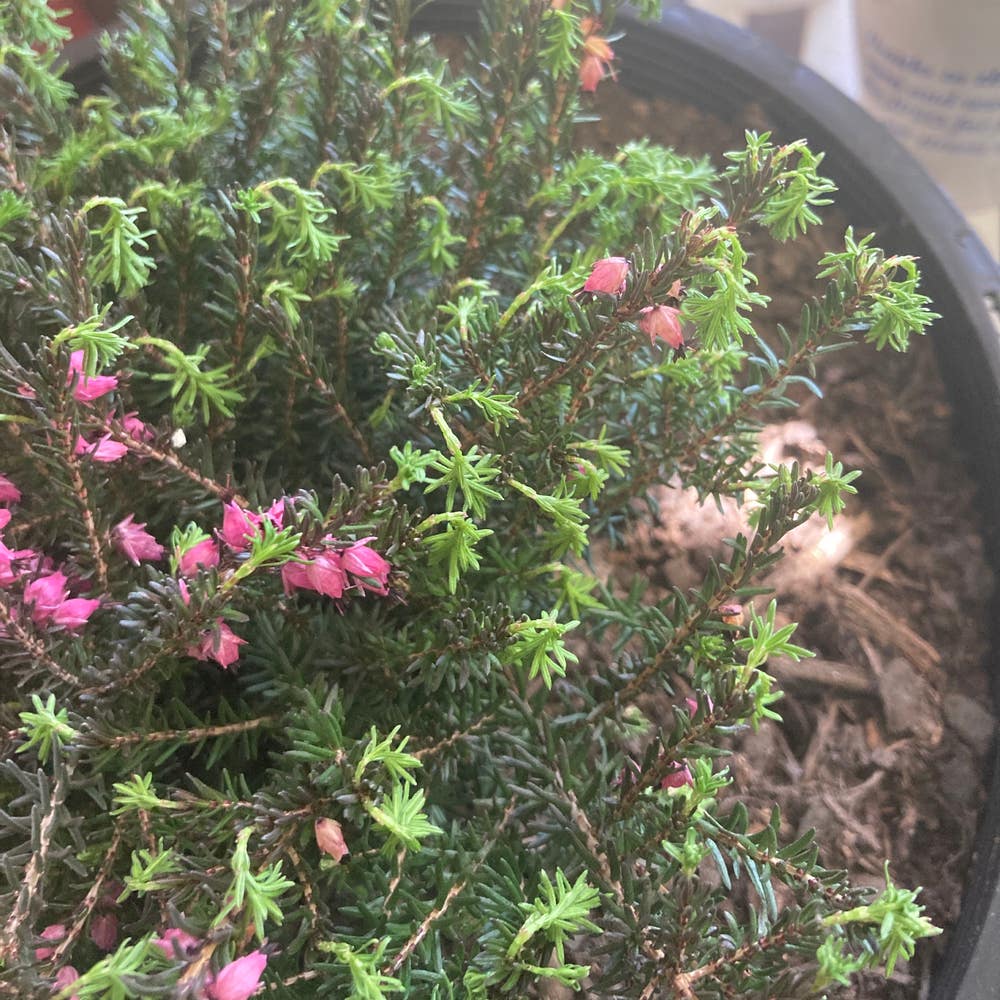
Drooping leaves on your Spring Heather can signal several issues. Look for visual cues like color changes, drooping angles, and the overall vigor of the plant.
Assessing Soil Moisture and Drainage 💧
Understanding soil moisture is crucial for plant health. Use a moisture meter or perform a finger test to gauge moisture levels effectively.
Importance of Drainage
Good drainage is essential for heather. Check for compacted soil or poor drainage, which can lead to root problems.
Checking for Pests and Diseases 🐛
Regular inspections can help catch pests and diseases early. Look under leaves and at the base of the plant for signs of trouble.
Identifying Pest Types
Familiarize yourself with common pests like aphids and spider mites. Recognizing their visual characteristics and damage patterns can help you act quickly.
Evaluating Sunlight Exposure ☀️
Spring Heather thrives in full sun to partial shade. Assess whether your plant is receiving adequate light to ensure optimal growth.
Assessing Light Conditions
Determine light conditions by observing how much sunlight the plant receives throughout the day. Adjust its placement if necessary to improve its health.
By diagnosing these key areas, you can better understand why your Spring Heather's leaves are drooping. This knowledge will guide you toward effective solutions and treatments.
Solutions and Treatments
🌊 Adjusting Watering Practices
Maintaining optimal soil moisture is crucial for the health of your Spring Heather. Aim to water your plants deeply but infrequently, allowing the top inch of soil to dry out between waterings.
Deep watering encourages roots to grow downwards, making them more resilient. This method not only supports healthy growth but also helps prevent issues like root rot.
🕳️ Improving Soil Drainage
Soil drainage is vital for heather's well-being. Consider amending your soil with perlite or sand to enhance drainage and prevent waterlogging.
If your current location isn't suitable, replanting may be necessary. Relocate your heather to a better-draining area, ensuring it has the right conditions to thrive.
🌱 Fertilization Techniques for Spring Heather
Choosing the right fertilizer can make a significant difference. Acidic fertilizers, such as those formulated for azaleas or rhododendrons, are ideal for heather.
Timing is also key; fertilize in early spring as new growth begins. This ensures your plants receive the nutrients they need for optimal growth.
🐞 Pest Control Methods
Pest management is essential for keeping your heather healthy. Organic options like neem oil and insecticidal soap can effectively control common pests without harming beneficial insects.
If infestations persist, you might need to consider chemical treatments. Use these as a last resort, ensuring you follow application guidelines carefully.
🦠 Disease Management Strategies
Identifying root rot early can save your heather. Look for signs like wilting, yellowing leaves, or mushy roots, and take action immediately.
For fungal infections, fungicides can be effective. Combine these treatments with cultural practices, such as improving air circulation and avoiding overhead watering, to enhance your plant's resilience.
By implementing these solutions and treatments, you can help your Spring Heather flourish. Next, let’s explore preventative measures to ensure your plants remain healthy year-round.
Preventative Measures
🌱 Best Practices for Planting Spring Heather
Soil preparation is crucial for healthy Spring Heather. Aim for acidic, well-draining soil to promote robust growth and prevent root issues.
Proper spacing and placement are also essential. Ensure your plants have enough room for air circulation, which helps reduce the risk of disease.
🌦️ Seasonal Care Tips
Adjust your watering and fertilization practices throughout the year. This flexibility helps meet the changing needs of your heather as the seasons shift.
Mulching is another effective strategy. A good layer of mulch retains moisture and suppresses weeds, creating a healthier environment for your plants.
✂️ Regular Maintenance Routines
Pruning is key for both health and aesthetics. Regularly trim your heather to encourage new growth and maintain its shape.
Monitoring for pests and diseases should be part of your routine. Set a regular inspection schedule to catch any issues early.
🌍 Monitoring Environmental Conditions
Utilize tools like soil moisture meters and light meters. These devices help you provide optimal care by ensuring your heather gets the right amount of water and light.
Be ready to adjust your care based on weather changes. Responding to seasonal shifts can make a significant difference in the health of your plants.
By implementing these preventative measures, you can create a thriving environment for your Spring Heather. This proactive approach not only enhances plant health but also enriches your gardening experience.
⚠️ Safety First
This content is for general information and may contain errors, omissions, or outdated details. It is not medical, veterinary advice, or an endorsement of therapeutic claims.
Always consult a qualified healthcare professional before using any plant as food, medicine, or supplement.
Never eat any plant (or feed one to pets) without confirming its identity with at least two trusted sources.
If you suspect poisoning, call Poison Control (800) 222-1222, the Pet Poison Helpline (800) 213-6680, or your local emergency service immediately.
Spotted an error? Please report it here.
Keep your Spring Heather vibrant and healthy 🌼 with Greg's tailored watering reminders and pest management tips that make proactive care a breeze!