❄️ Winter Heath Buds Won't Open
Erica carnea
By the Greg Editorial Team
Sep 30, 2024•6 min read
This article was created with the help of AI so we can cover more plants for you. May contain errors. See one? Report it here.
Transform your winter heath into a blooming masterpiece 🌼 with essential tips on light, nutrients, and pruning!
- ☀️ Winter heath needs 6+ hours of sunlight daily for optimal blooming.
- 🌱 Nutrient deficiencies like phosphorus and potassium hinder flower development.
- 🌿 Balanced soil pH is crucial for nutrient absorption and blooming potential.
Failure to Bloom
🌞 Potential Causes
Light Requirements
One of the primary reasons your winter heath might not bloom is insufficient sunlight exposure. Ideally, these plants need at least six hours of direct sunlight daily to thrive.
Excessive shade from surrounding plants or structures can also hinder their growth. If your winter heath is tucked away in a dark corner, it may struggle to produce those beautiful blooms.
Nutritional Needs
Nutritional deficiencies can play a significant role in the failure to bloom. A lack of essential nutrients, particularly phosphorus and potassium, can stunt flower development.
Additionally, an imbalanced soil pH can affect nutrient availability, making it harder for the plant to absorb what it needs. Regular soil testing can help you identify these issues early.
Pruning Effects
The timing and technique of pruning are crucial for blooming. Late pruning can inadvertently remove flower buds, leaving your plant bare when it should be bursting with color.
Improper pruning techniques can also stress the plant, further inhibiting its ability to bloom. Always approach pruning with care and knowledge.
🛠️ Solutions and Remedies
Adjust Light Exposure: Ensure your winter heath receives at least six hours of sunlight daily. If necessary, consider relocating the plant or trimming back surrounding foliage.
Fertilize Properly: Use a balanced fertilizer high in phosphorus during the growing season. This will provide the nutrients necessary for vibrant blooms.
Prune at the Right Time: Aim to prune immediately after flowering. This timing helps avoid the removal of potential flower buds and encourages new growth.
By addressing these potential causes and implementing these solutions, you can help your winter heath thrive and bloom beautifully. Next, let’s explore the issue of premature flower drop and how to prevent it.
Premature Flower Drop
🌪️ Common Triggers
Premature flower drop can be frustrating for gardeners. Understanding its triggers is the first step in addressing the issue.
Environmental Stress
Sudden temperature fluctuations can shock your plants, leading to flower drop. Extreme cold weather can also impact their ability to bloom.
Inconsistent watering is another culprit. Too much or too little moisture stresses the plant, causing it to drop buds prematurely.
Pest Issues
Pests like aphids and spider mites can wreak havoc on your flowers. These tiny invaders stress the buds, leading to early drop and distorted growth.
🛡️ Preventive Measures and Treatments
Taking proactive steps can help prevent premature flower drop. Here are some effective strategies to keep your plants thriving.
Monitor Temperature: Keep an eye on temperature changes and provide protection during cold snaps. Covering plants with frost cloth can make a significant difference.
Maintain Soil Moisture: Aim for consistent soil moisture without waterlogging. This balance helps keep your plants healthy and reduces stress.
Implement Pest Control: Regularly check for pests and act quickly. Using insecticidal soap or neem oil can effectively manage infestations and protect your blooms.
By addressing these common triggers and implementing preventive measures, you can help ensure your winter heath blooms beautifully. Next, let’s explore abnormal flower development and how to identify and remedy it.
Abnormal Flower Development
Identifying Abnormal Growth Patterns 🌼
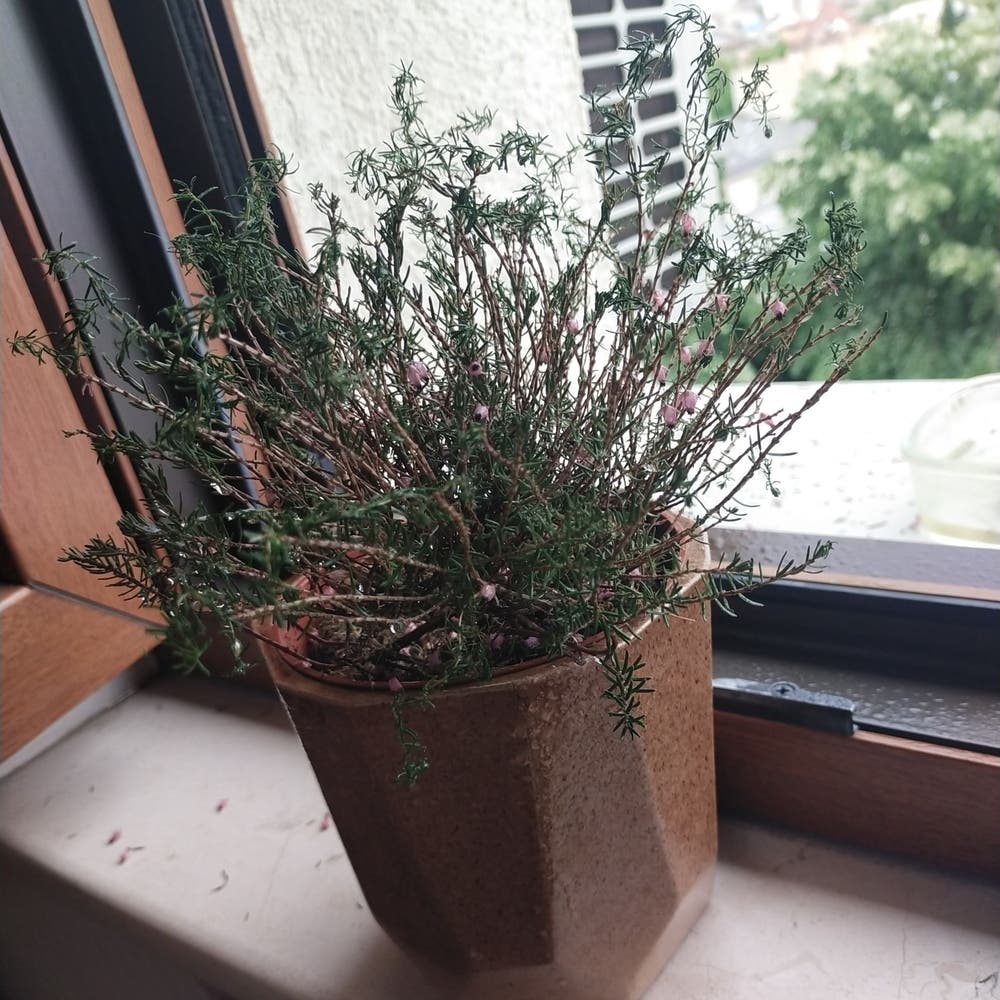
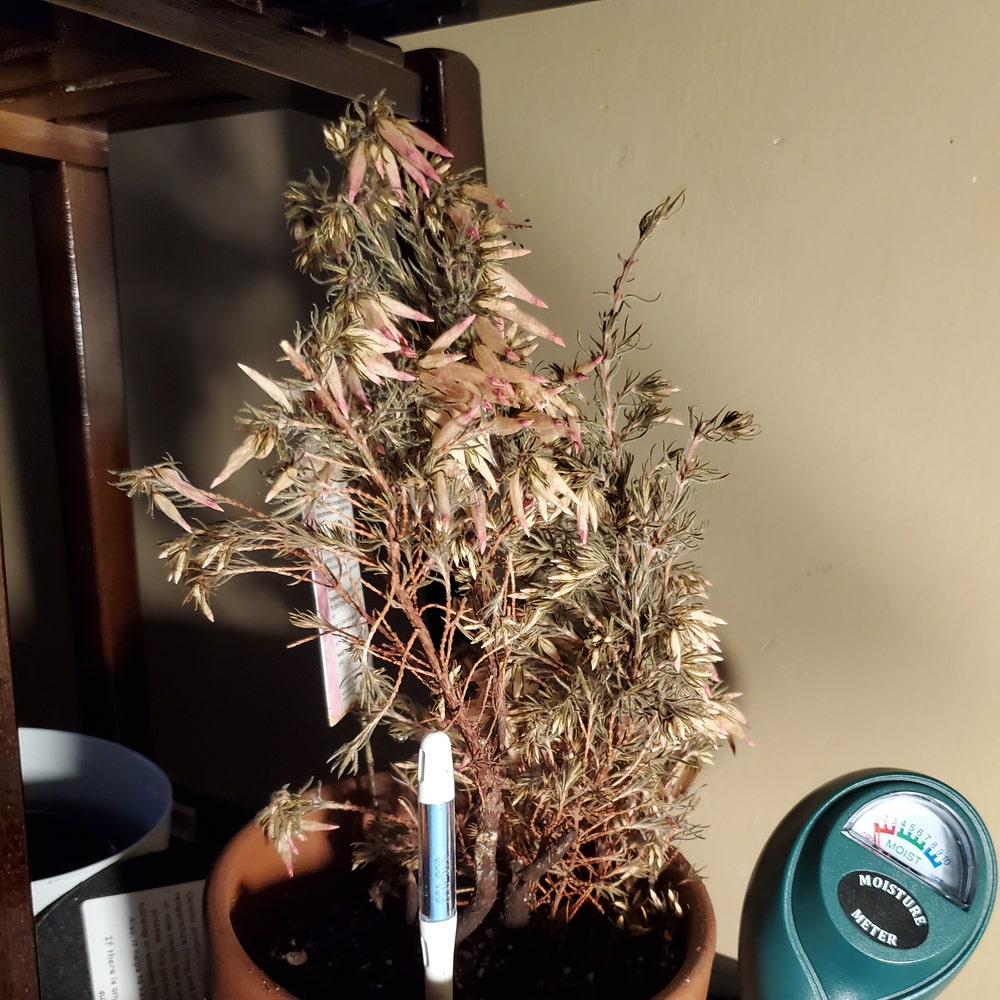
Abnormal flower development can manifest as deformed or stunted flowers. These irregularities can be starkly contrasted with the typical structure of healthy blooms, making them easy to spot.
Factors Affecting Flower Morphology 🌱
Nutrient deficiencies are a primary culprit behind poor flower formation. A lack of essential nutrients can lead to weak growth and abnormal blooms.
Environmental stressors also play a significant role. Drought conditions or excessive moisture can disrupt the plant's ability to develop flowers properly.
Solutions for Restoring Normal Development 🌸
To restore normal flower development, start by assessing and amending the soil for nutrient deficiencies. Testing soil pH and nutrient levels can guide your amendments effectively.
Next, ensure proper watering practices. Consistent moisture without waterlogging is crucial for healthy growth.
Finally, monitor and adjust environmental conditions. Providing the right balance of light, temperature, and humidity can significantly enhance flower development.
By addressing these factors, you can help your winter heath thrive and bloom beautifully. Now, let’s explore how pruning can further impact flowering.
Pruning and Its Impact on Flowering
Timing of Pruning 🌱
Pruning is crucial for the health and flowering of winter heath. The ideal time to prune is immediately after flowering, as this encourages new growth and maximizes blooming potential.
Best Practices for Pruning Winter Heath ✂️
To minimize stress on the plant, use clean, sharp tools. This ensures clean cuts that promote healing and reduces the risk of disease.
Techniques for Encouraging Blooming 🌼
Specific Pruning Techniques to Promote Flowers
One effective technique is to pinch back spent blooms. This not only tidies up the plant but also stimulates new growth.
Another method is thinning out crowded areas. By improving air circulation and light penetration, you create a healthier environment for blooming.
Incorporating these practices can significantly enhance the flowering potential of your winter heath. With the right timing and techniques, you can enjoy a vibrant display of blooms year after year.
Next, let’s explore how pests and diseases can affect flowering and what you can do to manage them effectively.
Pest and Disease Management
🐛 Common Pests Affecting Flowering
Pests can be a significant hurdle for winter heath, impacting its ability to bloom.
Identification and Impact on Buds
Aphids: These small, green insects are notorious for distorting flower buds. Their feeding habits weaken the plant, leading to poor growth and reduced flowering.
Spider Mites: Look for fine webbing and stippled leaves, which indicate an infestation. These pests suck the sap from the plant, causing stress and potentially leading to bud drop.
💊 Treatment Options
Managing pests is crucial for healthy blooms.
Regular Inspection: Keep an eye on your plants. Early detection can prevent a minor issue from becoming a major problem.
Organic Pesticides: Consider using neem oil or insecticidal soap. These options are effective and less harmful to beneficial insects.
🦠 Diseases That Affect Flower Development
Diseases can also hinder the blooming process, so it's essential to recognize symptoms early.
Common Diseases and Their Symptoms
Powdery Mildew: This disease manifests as white, powdery spots on leaves. It can affect the overall health of the plant and reduce flowering potential.
Root Rot: Look for wilting and yellowing leaves, often caused by overwatering. This condition can severely damage the root system, leading to plant decline.
🛡️ Prevention and Treatment Strategies
Taking proactive measures can save your winter heath from disease.
Well-Draining Soil: Ensure your soil drains well to prevent root rot. This simple step can make a significant difference in plant health.
Fungicides: Apply fungicides as needed to control powdery mildew. Regular treatment can keep your plants thriving and blooming beautifully.
By staying vigilant against pests and diseases, you can help your winter heath flourish. Next, let’s explore how proper pruning techniques can further enhance flowering.
⚠️ Safety First
This content is for general information and may contain errors, omissions, or outdated details. It is not medical, veterinary advice, or an endorsement of therapeutic claims.
Always consult a qualified healthcare professional before using any plant as food, medicine, or supplement.
Never eat any plant (or feed one to pets) without confirming its identity with at least two trusted sources.
If you suspect poisoning, call Poison Control (800) 222-1222, the Pet Poison Helpline (800) 213-6680, or your local emergency service immediately.
Spotted an error? Please report it here.
Keep your winter heath blooming brilliantly 🌼 with Greg's tailored care reminders and tips for optimal sunlight and nutrients!