Year-Round Light Requirements For Your Winter Heath
Erica carnea
By the Greg Editorial Team
Jun 19, 2024•4 min read
This article was created with the help of AI so we can cover more plants for you. May contain errors. See one? Report it here.
Maximize your Winter Heath's vibrant blooms with tailored light tips! 🌞🌼
- Full sun is key for Winter Heath, but partial shade works too.
- Indoor light tip: East or south-facing windows with rotation.
- Boost blooms or growth with LED grow lights or fluorescent tubes.
Soaking Up the Sun: Outdoor Light Love for Winter Heath
🌞 Finding the Sweet Spot
Winter Heath thrives under the sun's caress, but not all sun exposure is created equal. To choose the best location, consider the sun's seasonal choreography; a spot that's sunny in summer might be shaded in winter. Full sun means at least six hours of direct sunlight daily, but this plant will also accept a fashionable sun hat of partial shade, especially in scorching climates.
🛡️ Protecting Your Heath from Sunburn
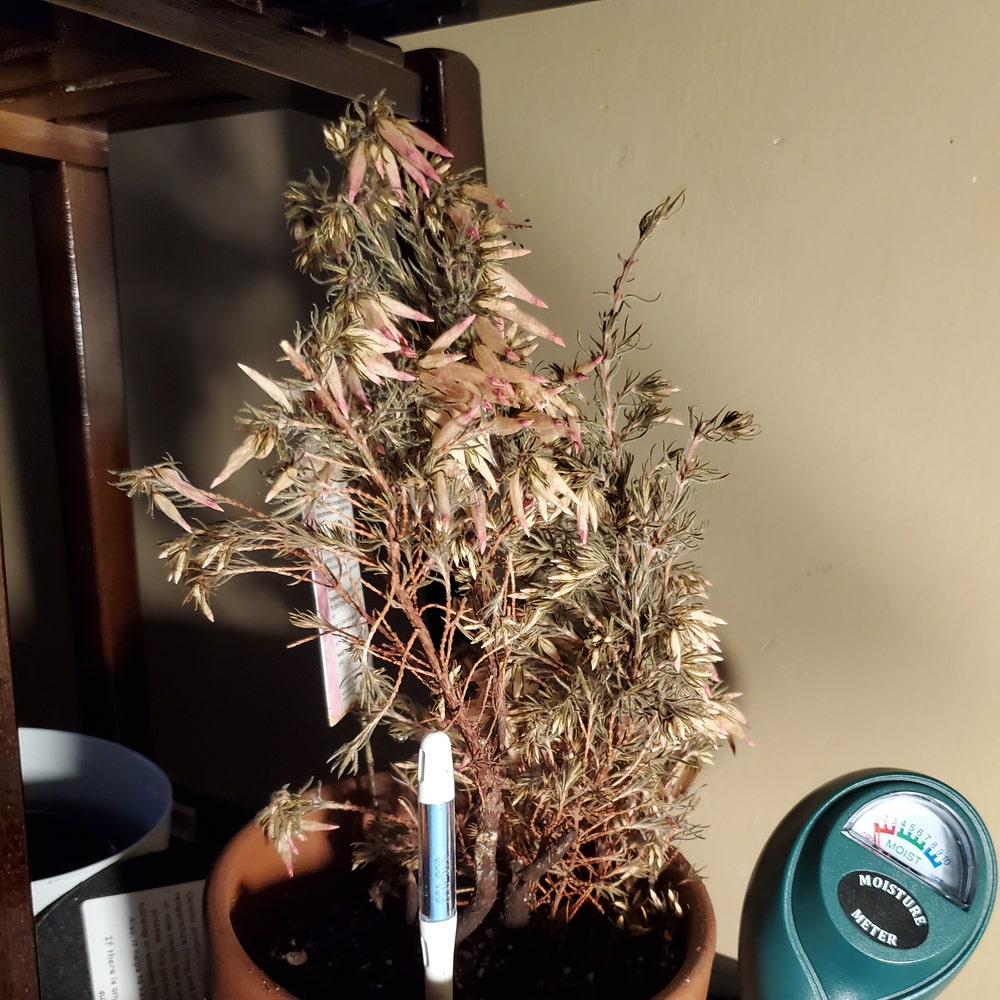
Even sun lovers can have too much of a good thing. To prevent your Winter Heath from turning into a crispy critter, provide some afternoon shade in areas where the sun packs a punch. Watch for telltale signs like scorched leaves or faded color, which scream "I'm getting roasted out here!" Adjust your plant's position or create a light sunscreen with a sheer cloth if the sun's mixtape is too intense.

Bringing the Sunshine In: Indoor Light Requirements
🌞 Imitating Nature Indoors
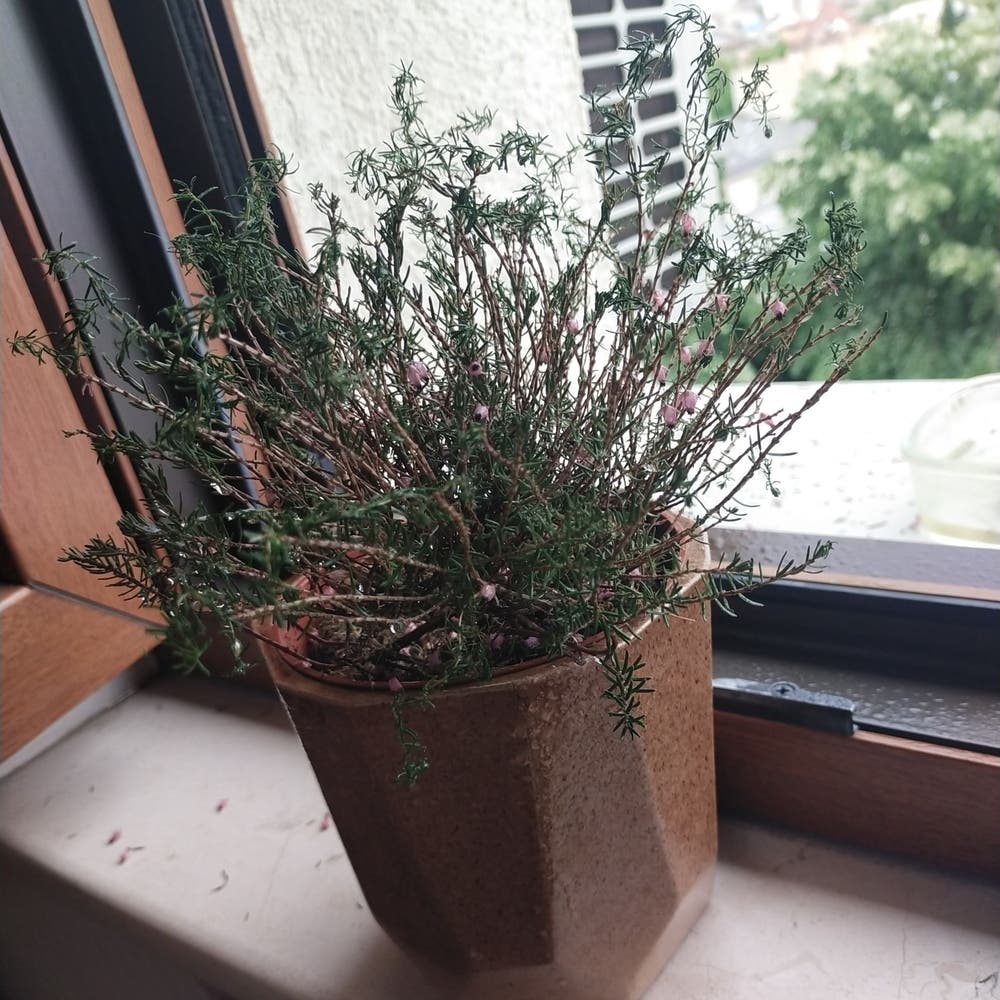
To replicate the ideal outdoor conditions for Winter Heath indoors, position the plant near an east-facing window. This spot offers bright, indirect light that mimics the gentle morning sun. Avoid the harsh midday sun which can scorch the leaves.
🌞 Best Window Directions and Room Placements
South-facing windows can also be suitable, especially when filtered through sheer curtains. Rooms with these windows will bathe your Winter Heath in ample light without the intensity of direct rays. Remember, light intensity drops as you move the plant further from the window.
🌞 Avoiding the Stretch
Rotate your Winter Heath quarter-turn with each watering to promote even growth. This prevents the plant from leaning towards the light source and becoming lopsided.
🌞 Identifying and Fixing Leggy Growth
Leggy growth signals inadequate lighting. If you notice your Winter Heath stretching, move it closer to the light source. Consistent rotation and proper placement will ensure your plant remains compact and healthy.

When Flowers Need Light: Winter Heath's Blooming Needs
💡 Light's Green Thumb in Flowering
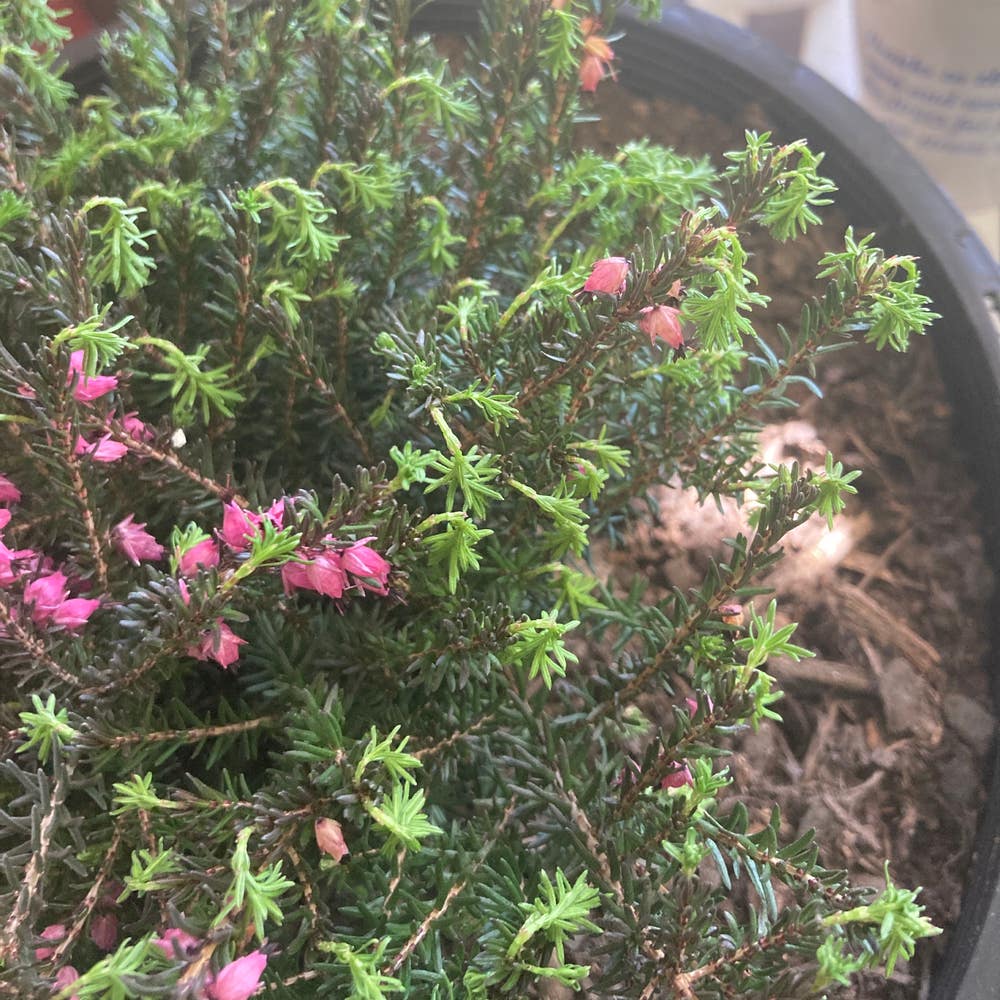
Winter Heath's flower buds are set in autumn, poised to burst into color from January to April. Full sun is the secret sauce for a spectacular bloom; it's the light threshold that flips the switch for flowering. As the seasons shift, so should your plant's position to catch those precious rays. In winter, the sun plays hard to get, so place your heath where it can soak up every bit of available light.
💡 Maximizing Bloom Potential
To coax the best flowering from your Winter Heath, adjust light conditions as needed. If blooms are scarce, it might be craving more sunlight. Look for signs like faded color or sparse flowering to diagnose light deficiency. On the flip side, if your heath is in a spot that's too bright, the leaves might tell tales of stress with a bleached look. Keep an eye on the light, and your Winter Heath will reward you with a floral show that's nothing short of a standing ovation.

Supplementing Sunlight: The Grow Light Game
💡 Deciding If Your Winter Heath Needs a Boost
Winter Heath thrives on light, but indoor settings can fall short, especially during the shorter days of winter. If your plant's leaves are less vibrant or growth seems stunted, it's time to consider grow lights. Assess your indoor light by observing the intensity and duration of sunlight your plant receives daily. If it's insufficient, grow lights can fill in the gaps.
💡 Choosing Your Plant's Sun Substitute
LED grow lights are the go-to for Winter Heath, closely mimicking the full spectrum of natural sunlight. They're energy-efficient and emit low heat, reducing the risk of harming your plant. Fluorescent T5 or T8 tubes are also effective, especially if you're budget-conscious. Position the lights about 6 to 12 inches above the plant, adjusting as needed for the right light intensity. Remember, the goal is to simulate natural light, not replicate the midday sun.
💡 Setting Up Grow Lights for Optimal Effect
When setting up grow lights, think of it as crafting a personalized sunrise for your Winter Heath. Use a timer to automate light cycles, mimicking natural daylight hours. This ensures your plant gets a consistent light "diet" and the rest it needs at night. Monitor your plant's response and tweak the setup if you notice signs of distress, like pale leaves or wilting. Proper light positioning and duration are key to avoiding the equivalent of a plant sunburn or a sad, light-starved shrub.
⚠️ Safety First
This content is for general information and may contain errors, omissions, or outdated details. It is not medical, veterinary advice, or an endorsement of therapeutic claims.
Always consult a qualified healthcare professional before using any plant as food, medicine, or supplement.
Never eat any plant (or feed one to pets) without confirming its identity with at least two trusted sources.
If you suspect poisoning, call Poison Control (800) 222-1222, the Pet Poison Helpline (800) 213-6680, or your local emergency service immediately.
Spotted an error? Please report it here.
Keep your Winter Heath flourishing 🌞 with Greg's environmental measurements and tailored reminders, ensuring it gets just the right amount of sunlight all year long.