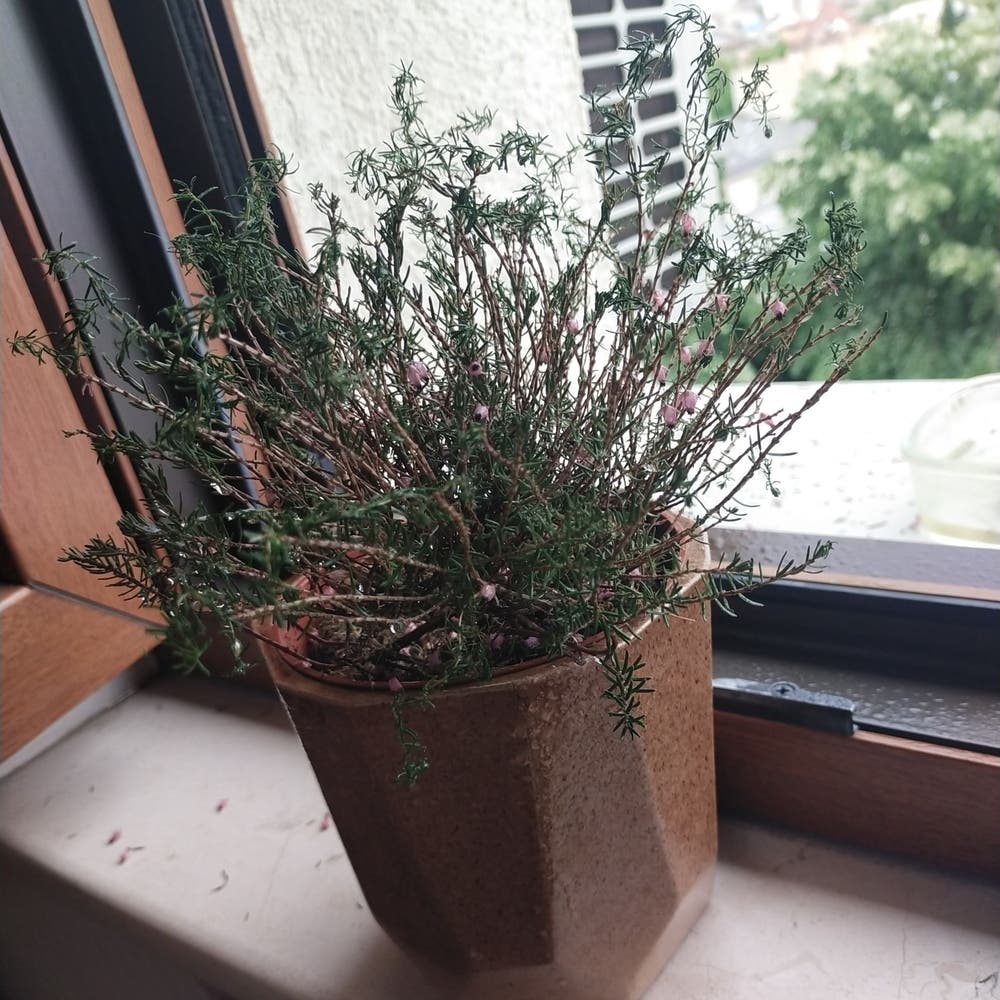
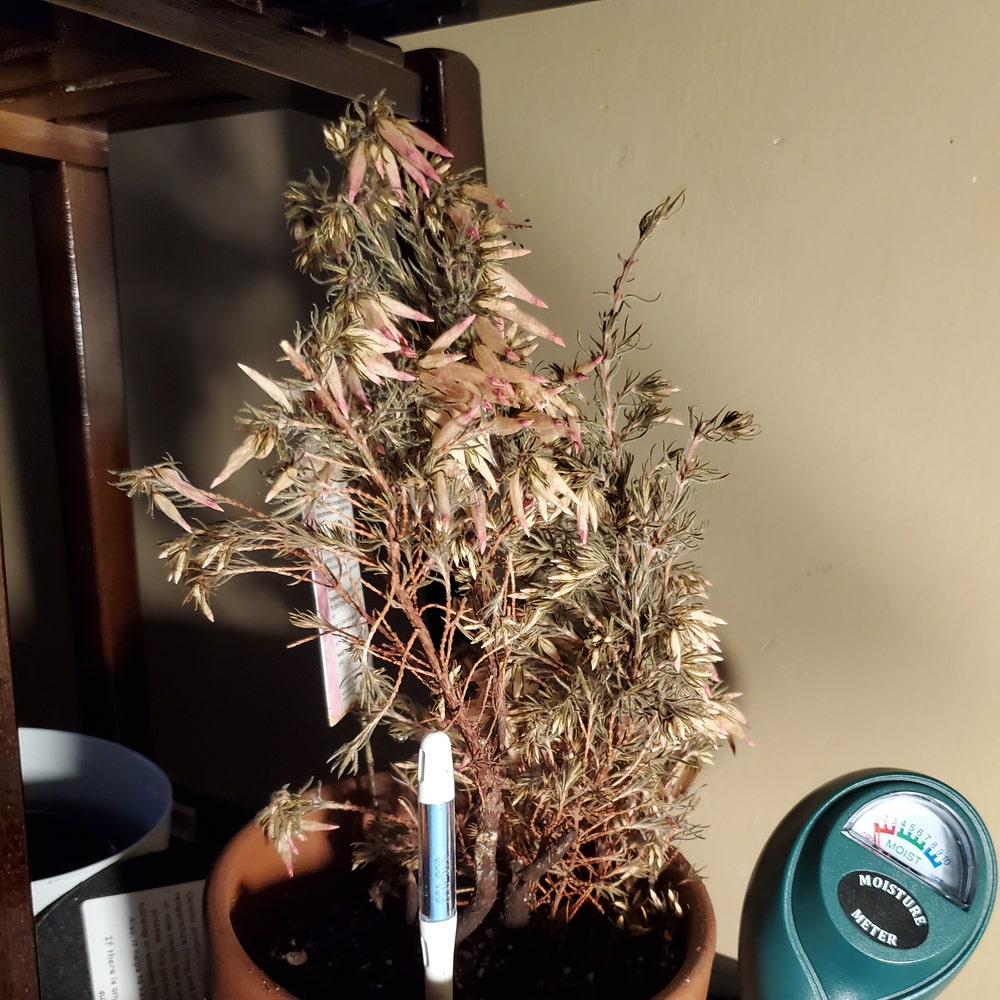
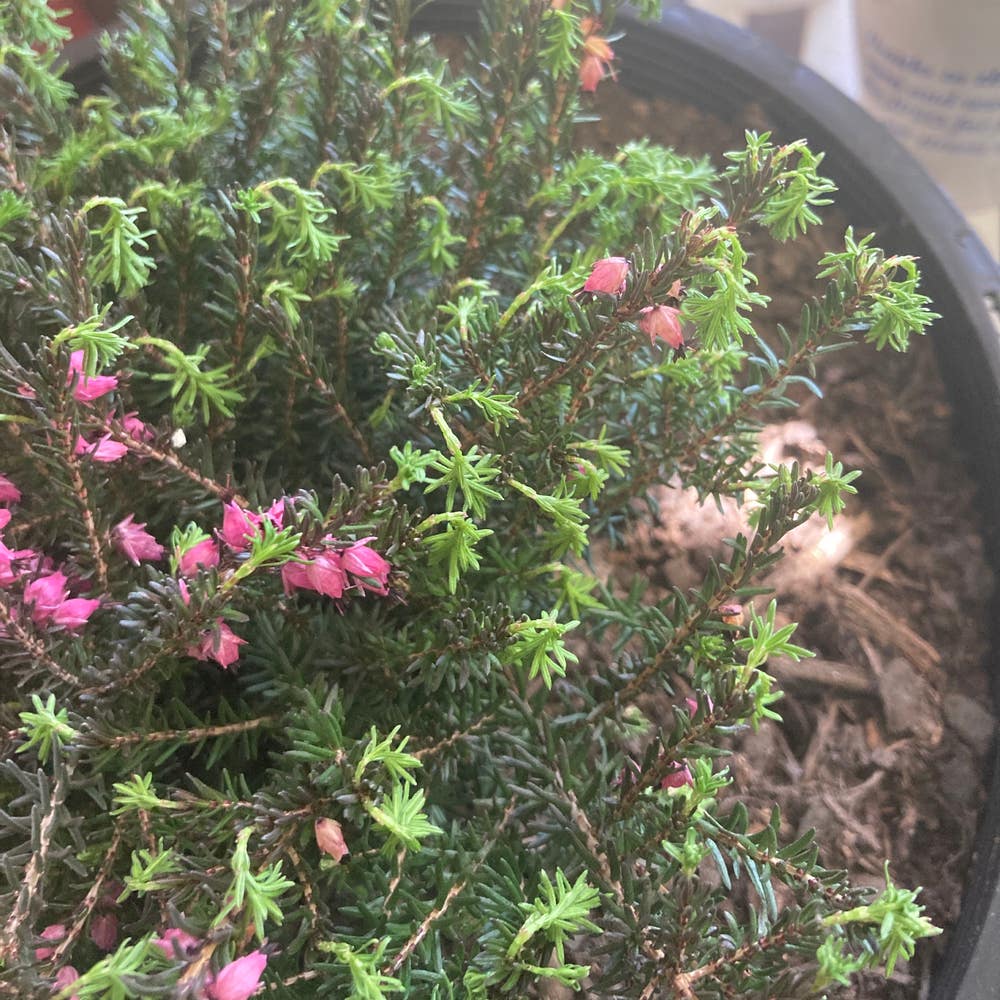
Why Are My Winter Heath Leaves Droopy?
Erica carnea
By the Greg Editorial Team
Jun 19, 2024•3 min read
This article was created with the help of AI so we can cover more plants for you. May contain errors. See one? Report it here.
Prevent droopy Winter Heath leaves 🍂 by mastering moisture and climate control tips! 🌡️
- Over/underwatering causes droopiness, check soil moisture before watering.
- Frost and heat affect leaves, use covers and adjust plant position.
- Seasonal watering and mulching help maintain moisture balance.
Pinpointing the Culprits Behind Droopy Leaves
💧 Water Woes
Overwatering turns roots into mush, a clear distress signal. Root rot then steps in, like an unwelcome guest at a party, and takes over. It's a fast track to droopy leaves, so keep the soil moist but not waterlogged.
Parched roots lead to the same droopy fate, but from neglect rather than overzeal. Underwatering makes leaves wilt like a forgotten houseplant. Remember, the top inch of soil is your truth-teller; if it's dry, it's time to water.
🌦️ Climate Strikes
When frost bites, leaves droop as if bowing to the cold's harsh rule. It's a silent battle against the icy grip that can leave your Winter Heath looking more like a wilted salad.
Conversely, a heatwave can turn leaves into sunbaked crisps. They curl inward, trying to shield themselves from the scorching betrayal of their sunny friend. Keep an eye on the mercury because your plant sure is.
Reviving Your Droopy Winter Heath
💧 Watering Wisdom
Finding the sweet spot for soil moisture is crucial. Overwatering leads to root rot, while underwatering leaves your Winter Heath parched.
Check the soil before watering; if the top inch is dry, it's time to hydrate. Adjust your watering habits with the seasons—less in winter, more in summer.
🛠 Tools of the Trade
Invest in a moisture meter to take the guesswork out of watering. Ensure pots have drainage holes to prevent water from pooling at the bottom.
Use a well-draining soil mix to mimic the Winter Heath's natural environment. This helps avoid waterlogging and the dreaded droop.
⚔️ Battling the Elements
Constructing Frost Shields
When frost threatens, protect your Winter Heath with covers or frost shields. Think of it as a winter coat for your plant, keeping it snug against the chill.
Location, Location, Location
Adjust your plant's position to protect it from extreme weather. In summer, ensure it has access to shade; in winter, maximize sun exposure.
Move potted plants indoors or to sheltered areas during severe weather. For in-ground plants, consider strategic planting to utilize natural windbreaks and sun patterns.
Proactive Steps to Keep Leaves Perky
🌧️ Mastering Moisture Management
Seasonal watering isn't just a suggestion; it's a necessity. In the winter, your Winter Heath's thirst diminishes—water sparingly. As the mercury rises, so does the need for hydration. Keep the soil consistently moist, but not waterlogged, to avoid the dreaded droop.
Mulch is more than just a pretty topping; it's a moisture manager. A generous layer will keep the soil damp during dry spells and cooler during heatwaves. But remember, too much of a good thing can lead to trouble—avoid piling it against the stem to prevent rot.
🌡️ Crafting a Comfortable Climate
Creating microclimates can shield your Winter Heath from the whims of the weather. Group plants together or use barriers to break the wind and buffer temperature extremes. It's like throwing a protective arm around your green friends.
Location is everything. Plant your Winter Heath where it can bask in the morning light but find respite from the scorching afternoon sun. Think of it as picking a prime seat at a concert—good view, but not too close to the speakers.
⚠️ Safety First
This content is for general information and may contain errors, omissions, or outdated details. It is not medical, veterinary advice, or an endorsement of therapeutic claims.
Always consult a qualified healthcare professional before using any plant as food, medicine, or supplement.
Never eat any plant (or feed one to pets) without confirming its identity with at least two trusted sources.
If you suspect poisoning, call Poison Control (800) 222-1222, the Pet Poison Helpline (800) 213-6680, or your local emergency service immediately.
Spotted an error? Please report it here.
Keep your Winter Heath thriving 🌿 with Greg's custom watering reminders and tips to protect it from weather extremes.