🌸 4 Tips for Healing Brown Spots on Your Spring Heather
Erica carnea
By the Greg Editorial Team
Oct 16, 2024•5 min read
This article was created with the help of AI so we can cover more plants for you. May contain errors. See one? Report it here.
Revitalize your spring heather with expert care tips to ensure vibrant growth and resilience! 🌱
- 💧 Consistent soil moisture is vital; avoid overwatering to prevent root rot.
- ☀️🌿 Balance sunlight exposure; too much sun scorches, too little weakens growth.
- 🐜 Regular pest inspections are crucial; treat infestations early to protect your heather.
Diagnosing the Problem
🌱 Soil Moisture Issues
Understanding soil moisture is crucial for the health of your spring heather. Overwatering can lead to root rot, characterized by dark, mushy roots and leaf discoloration.
On the flip side, underwatering results in dry, crispy leaves and stunted growth. For Erica carnea, aim for soil moisture levels that are consistently moist but not soggy.
☀️ Sunlight Exposure and Its Effects
Sunlight plays a vital role in the growth of heather. Ideally, these plants thrive in full sun but can tolerate partial shade.
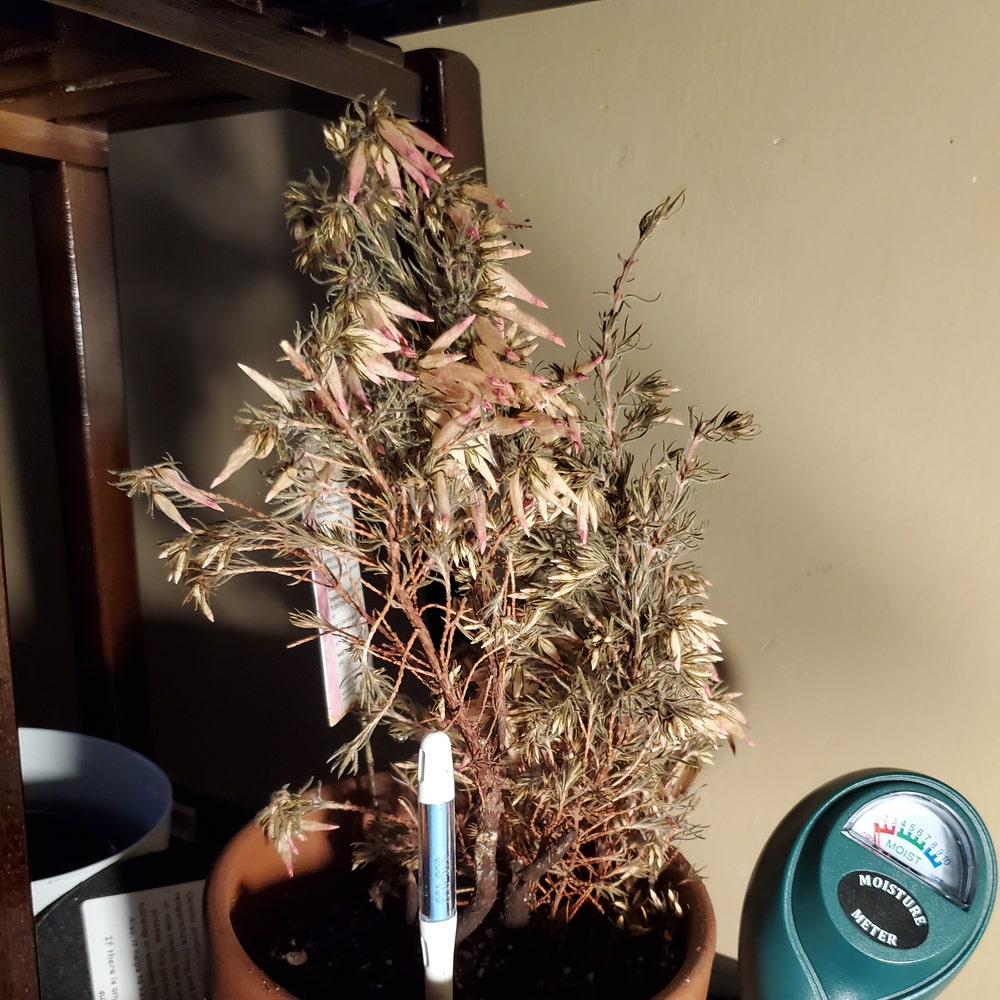
Too much sun can cause leaf scorch and browning, while insufficient light leads to weak growth and pale foliage. Finding the right balance is key.
🐛 Pest Infestations and Their Impact
Pests can wreak havoc on your heather if not addressed promptly. Common culprits include aphids, spider mites, and scale insects.
Signs of pest damage include distorted leaves, sticky residue, and webbing. Regular visual inspections and traps can help you identify these pests early.
🌾 Nutrient Deficiencies and Their Signs
Nutrient deficiencies can significantly impact the health of your heather. Key nutrients include nitrogen, phosphorus, and potassium.
Symptoms of deficiencies often manifest as yellowing leaves, poor flowering, and stunted growth. Conducting soil tests can effectively assess nutrient levels and guide your fertilization efforts.
By diagnosing these issues early, you can take proactive steps to restore your spring heather's health. Next, we’ll explore treatment options to address these problems effectively.
Treatment Options
Step-by-Step Guide to Treating Brown Spots 🌱
Identify the Cause: Start by assessing moisture levels, sunlight exposure, pest presence, and nutrient availability. Understanding the root of the problem is crucial for effective treatment.
Remove Affected Leaves: Prune any leaves showing brown spots to prevent the issue from spreading. This simple step can significantly improve the plant's overall health.
Adjust Watering Practices: Ensure your heather receives the right amount of water. Aim for consistent soil moisture without over-saturating.
Monitor Environmental Conditions: Keep an eye on sunlight exposure. Adjust the plant's location if necessary to optimize its growth conditions.
Recommended Fungicides and Treatments 🧪
Types of Fungicides: Familiarize yourself with systemic and contact fungicides. Systemic fungicides work from within the plant, while contact fungicides act on the surface.
Application Methods: Timing and frequency are key for effective treatment. Apply fungicides during the early morning or late afternoon to avoid scorching the leaves.
Safety Precautions: Always protect beneficial insects and surrounding plants. Use targeted applications and consider organic options when possible.
Natural Remedies for Leaf Spot Issues 🌼
Homemade Solutions: Consider using neem oil or baking soda sprays. These natural treatments can be effective against leaf spots without harming the environment.
Benefits of Natural Treatments: They are generally less harmful and can promote a healthier ecosystem in your garden. Plus, they’re often more affordable!
Application Guidelines: Apply these remedies regularly, typically every 7-14 days. Dilution ratios are important; follow recommended guidelines to ensure effectiveness.
By following these treatment options, you can effectively address brown spots on your spring heather and promote its vibrant growth. Next, let’s explore preventive measures to keep your plants healthy year-round.
Preventive Measures
🌊 Best Practices for Watering Spring Heather
Watering frequency is crucial for the health of your spring heather. Aim to water deeply but less frequently, adjusting based on seasonal changes and weather conditions.
Effective watering techniques include deep watering, which encourages root growth, versus surface watering that may lead to shallow roots. Always ensure your soil is well-drained to prevent root rot, a common issue for heather.
☀️ Optimal Sunlight Conditions
Choosing the right location for your heather is essential. Full sun is ideal, but consider shade options during the hottest parts of the day to prevent leaf scorch.
As seasons change, be ready to adjust your garden layout or move pots to optimize sunlight exposure. Using reflective surfaces can also help enhance light for your plants.
🌱 Fertilization Tips to Prevent Deficiencies
Select balanced fertilizers with appropriate NPK ratios for heather. This ensures your plants receive the essential nutrients they need for vibrant growth.
Timing is everything when it comes to fertilization. Apply nutrients in early spring and monitor for signs of over-fertilization, such as leaf burn or excessive growth.
🐞 Regular Inspection for Pests
Conduct weekly inspections during the growing season to catch any pest issues early. Focus on key areas like the undersides of leaves and stem bases, where pests often hide.
If you spot any pests, act quickly. Early intervention can save your heather from significant damage and keep your garden thriving.
These preventive measures will help ensure your spring heather remains healthy and vibrant. Next, let's explore seasonal considerations to keep your plants thriving throughout the year.
Seasonal Considerations
Spring Care Tips for Heather 🌸
Spring is the perfect time to give your heather some TLC. Start with pruning; remove any dead or damaged branches to encourage healthy growth.
Next, focus on fertilization. Apply a balanced fertilizer in early spring to provide essential nutrients, ensuring your heather thrives throughout the growing season.
Watering adjustments are crucial as well. As temperatures rise, your heather will need increased moisture, so keep an eye on the soil to maintain optimal hydration.
Fall Preparation to Prevent Winter Damage 🍂
As fall approaches, it's time to prepare your heather for the colder months. Mulching is key; it helps insulate the roots and retains moisture.
Adjust your watering practices too. Reduce moisture levels as temperatures drop to prevent root rot during winter dormancy.
Finally, watch for signs of winter stress. Yellowing leaves or stunted growth can indicate potential issues, allowing you to address them before spring arrives.
With these seasonal care tips, your heather will be well-equipped to flourish all year round.
⚠️ Safety First
This content is for general information and may contain errors, omissions, or outdated details. It is not medical, veterinary advice, or an endorsement of therapeutic claims.
Always consult a qualified healthcare professional before using any plant as food, medicine, or supplement.
Never eat any plant (or feed one to pets) without confirming its identity with at least two trusted sources.
If you suspect poisoning, call Poison Control (800) 222-1222, the Pet Poison Helpline (800) 213-6680, or your local emergency service immediately.
Spotted an error? Please report it here.
Heal those brown spots and keep your spring heather thriving 🌱 with Greg's tailored care tips and reminders that make plant health a breeze!