🌸 What to Do About Black Spots on Your Spring Heather
Erica carnea
By the Greg Editorial Team
Oct 16, 2024•5 min read
This article was created with the help of AI so we can cover more plants for you. May contain errors. See one? Report it here.
Revive your spring heather 🌱 by tackling the causes of black spots and ensuring vibrant, healthy growth!
- 🌱 Black spots on heather are mainly caused by fungal diseases, especially black spot fungus.
- 💧 High humidity and poor air circulation promote fungal growth; improve both for healthier plants.
- 🛠️ Regular inspections and treatments like neem oil can effectively manage black spot issues.
Causes of Black Spots on Leaves
🦠 Fungal and Environmental Factors
Black spots on your spring heather can often be traced back to fungal diseases, with black spot fungus being a primary culprit. This pesky fungus thrives in conditions that are damp and humid, making your plants vulnerable.
Environmental influences play a significant role as well. High humidity and poor air circulation create an ideal breeding ground for these fungi, exacerbating the problem.
Nutrient deficiencies can also impact your plant's health, making it more susceptible to diseases. A well-balanced diet for your heather is crucial to keep it robust and resilient against these threats.
Understanding these factors is essential for effective treatment and prevention. By addressing the root causes, you can help your heather thrive and reduce the risk of black spots.
Next, let’s delve into how to diagnose the problem effectively.
Diagnosing the Problem
🕵️♂️ Differentiating Between Causes
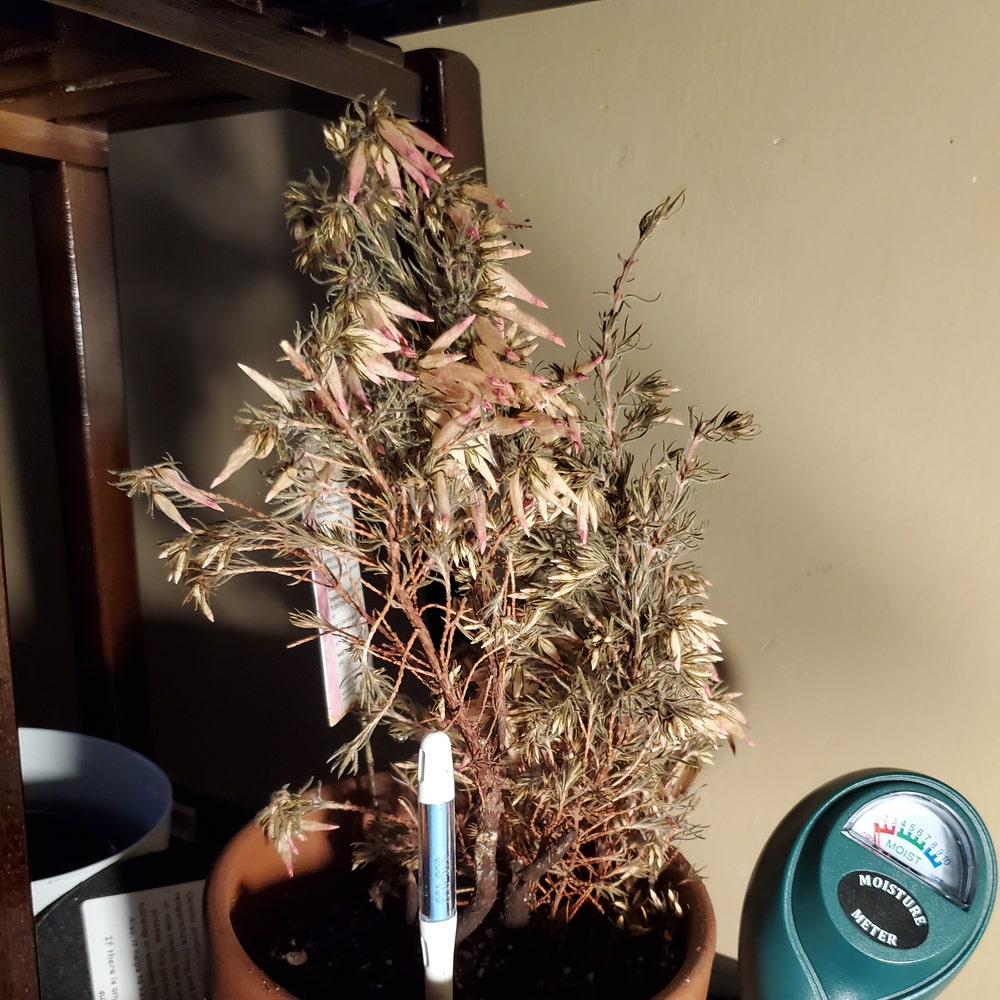
Identifying the cause of black spots on your spring heather is crucial for effective treatment. Fungal symptoms typically manifest as black spots, accompanied by leaf wilting and premature leaf drop.
On the other hand, environmental issues present differently. Look for yellowing leaves, stunted growth, and browning edges as indicators of stress from humidity or nutrient deficiencies.
🔍 Importance of Leaf Inspection
Regular leaf inspections are essential for early detection of problems. Aim to check your plants weekly, focusing on any changes in color or texture.
For thorough inspections, use a magnifying glass to spot tiny pests or fungal spores. Clean pruning shears are also handy for removing any affected leaves.
Documenting changes in a care journal can help you track symptoms over time. This practice not only aids in diagnosis but also informs your treatment decisions.
By staying vigilant, you can catch issues before they escalate, ensuring your heather remains healthy and vibrant. Now that you know how to diagnose the problem, let’s explore effective treatment options.
Treatment Options
🌱 Organic Treatments
One of the most effective organic treatments for black spots on your spring heather is neem oil. Apply it in the early morning or late afternoon for optimal results, ensuring you cover both the tops and undersides of the leaves.
Another great option is a baking soda solution. Mix one tablespoon of baking soda with a gallon of water and spray it on the affected areas. This method not only helps combat fungal issues but is also safe for beneficial insects and promotes overall soil health.
⚗️ Chemical Fungicides
If organic treatments aren't cutting it, consider chemical fungicides. There are two main types: systemic fungicides, which are absorbed by the plant, and contact fungicides, which act on the surface.
Timing is crucial for chemical applications. Early morning or late afternoon is best to minimize evaporation and maximize effectiveness. Always wear protective gear and be mindful of environmental considerations to safeguard your garden and local wildlife.
📋 Step-by-Step Guide to Treating Infected Plants
Identify the extent of infection: Start by assessing the leaf damage. Look for black spots and wilting leaves to gauge how severe the issue is.
Remove infected leaves: Use clean pruning shears to cut away any affected foliage. This helps prevent the spread of the disease.
Apply chosen treatment: Whether you opt for organic or chemical solutions, ensure even coverage on the leaves.
Monitor for re-infection: Regular follow-up checks are essential. Keep an eye out for any returning symptoms to catch issues early.
By following these treatment options, you can effectively manage black spots on your spring heather and promote healthier growth. Next, let’s explore preventive measures to keep your plants thriving year-round.
Preventive Measures
🌊 Best Practices for Watering and Soil Management
Maintaining the right soil moisture is crucial for the health of your spring heather. Aim for well-drained soil that retains some moisture but doesn’t become waterlogged.
Deep watering is more effective than surface watering. It encourages roots to grow deeper, making your plants more resilient to drought.
🌬️ Importance of Air Circulation
Air circulation plays a vital role in preventing fungal diseases. Ensure your heather plants are spaced adequately to allow for airflow.
Pruning is another effective technique to improve air circulation. Trim back any overcrowded branches to promote better ventilation.
🍂 Seasonal Care Tips
Adjust your care practices according to the season. In spring, focus on new growth; in summer, ensure adequate hydration; and in fall, prepare for dormancy.
A well-timed fertilization schedule can make a significant difference. Use slow-release fertilizers in spring and summer to support healthy growth.
By implementing these preventive measures, you can significantly reduce the risk of black spots on your heather. Regular attention to watering, air circulation, and seasonal care will keep your plants thriving and vibrant.
Post-Treatment Care
Monitoring Plant Recovery 🌱
After treatment, keep an eye out for signs of improvement. Look for new growth and vibrant color changes in your heather.
Regular inspections are crucial during this recovery phase. Check your plants weekly to ensure they’re bouncing back and not showing any signs of re-infection.
Recognizing Further Issues 🔍
Successful treatment is evident when you see healthy foliage and blooming flowers. These indicators signal that your heather is on the mend.
However, stay alert for any recurring problems. If you notice persistent issues, it might be time to seek professional help to get your plants back on track.
By staying proactive, you can ensure your spring heather thrives beautifully.
⚠️ Safety First
This content is for general information and may contain errors, omissions, or outdated details. It is not medical, veterinary advice, or an endorsement of therapeutic claims.
Always consult a qualified healthcare professional before using any plant as food, medicine, or supplement.
Never eat any plant (or feed one to pets) without confirming its identity with at least two trusted sources.
If you suspect poisoning, call Poison Control (800) 222-1222, the Pet Poison Helpline (800) 213-6680, or your local emergency service immediately.
Spotted an error? Please report it here.
Keep your spring heather spotless 🌱 with Greg's tailored care reminders and watering plans that ensure your plants thrive and resist fungal issues all season long!