What Does It Mean When Winter Heath Blooms?
Erica carnea
By the Greg Editorial Team
Jun 19, 2024•4 min read
This article was created with the help of AI so we can cover more plants for you. May contain errors. See one? Report it here.
Decode nature's clues with Winter Heath's blooms to enliven your winter garden! 🌸🔍
- 🌸 Blooms Jan-April; timing hints at weather patterns.
- Pruning and deadheading encourage more vibrant blooms.
- Full sun, partial shade, and acidic soil are ideal for flowering.
When Winter Heath Shows Its Colors
🌸 The blooming season of Winter Heath
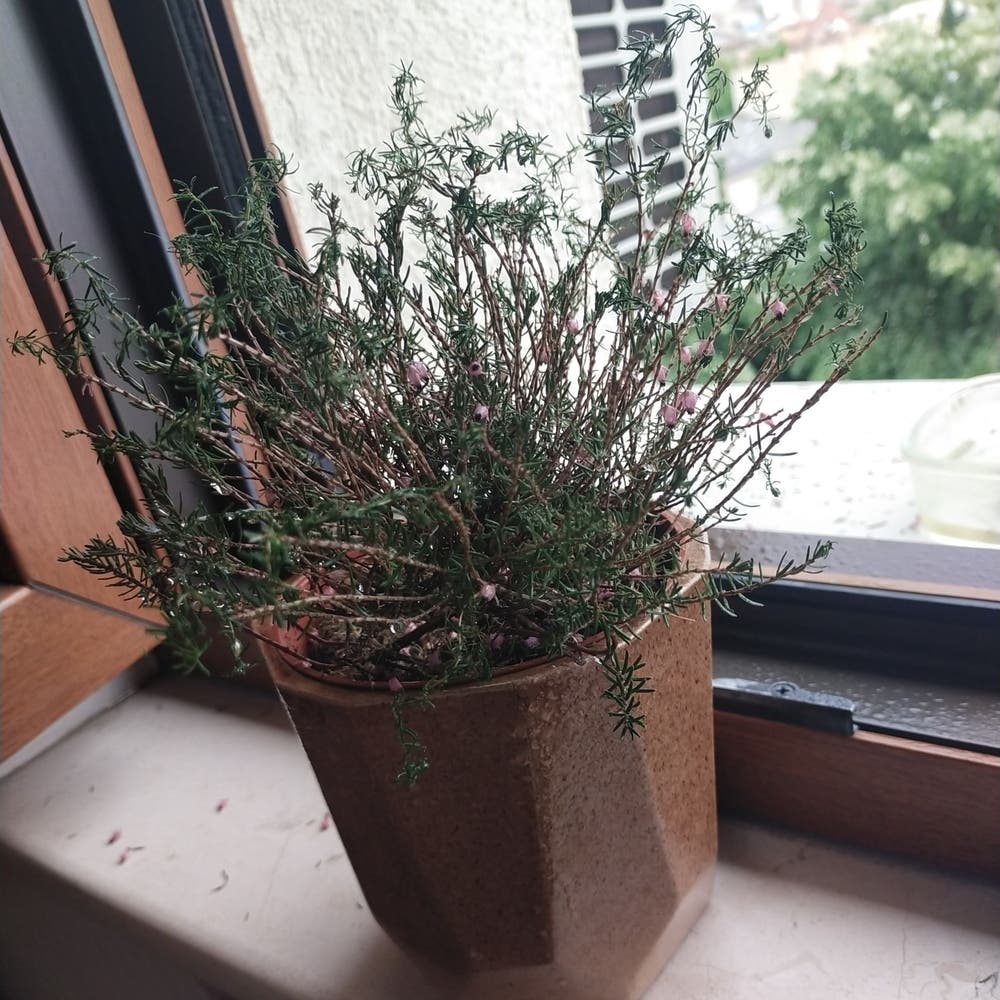
Winter Heath, a dwarf shrub, typically parades its flowers from January to April. If blooms pop up earlier or linger later, it might just be Mother Nature's memo about unusual weather patterns.
🎨 The color palette of Winter Heath flowers
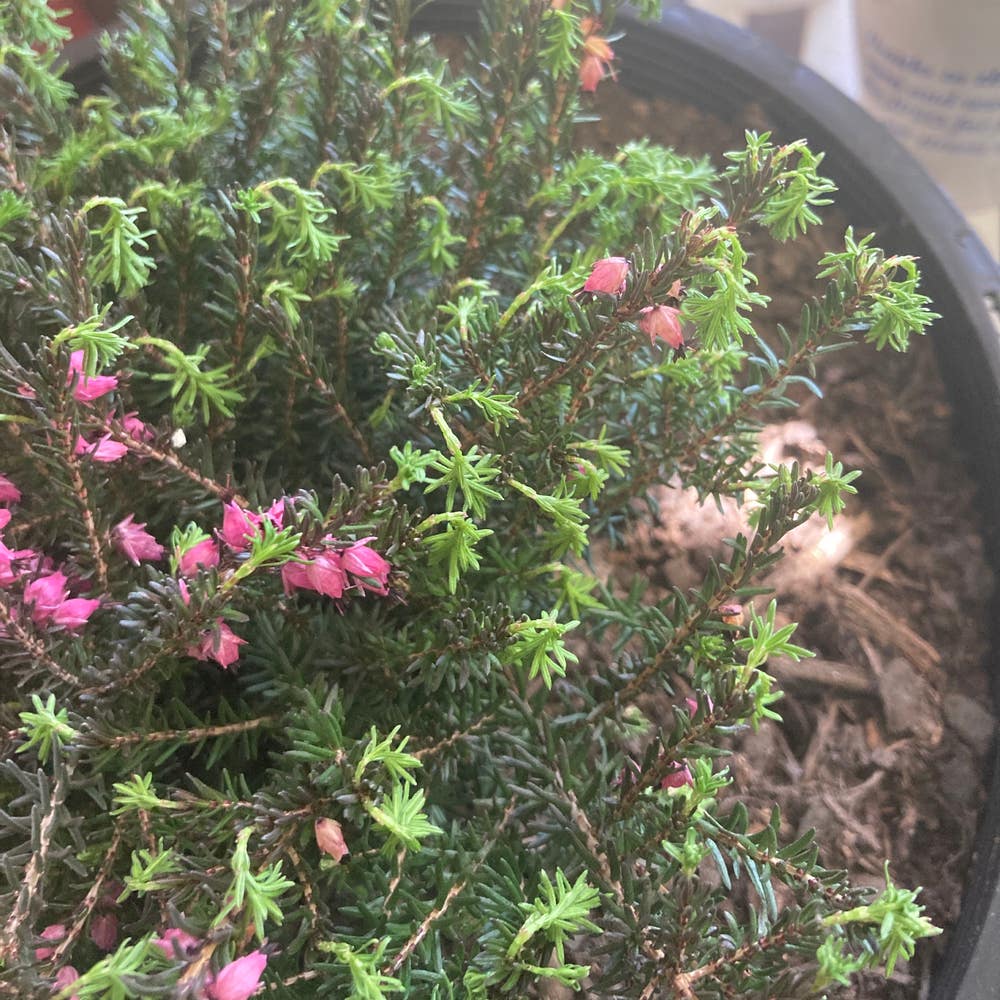
Winter Heath's flowers come in a kaleidoscope of colors, from pristine white to shades of pink and red. These hues aren't just eye candy; they're a buffet for early-rising bees and a lifeline for certain caterpillars.

Getting Winter Heath to Strut Its Stuff
🌞 Light and temperature: Setting the stage for blooms
Winter Heath demands the spotlight to take center stage. Full sun or partial shade primes it for a floral encore. Temperature-wise, think Goldilocks: not too hot, not too cold. Consistency is key—avoid dramatic fluctuations that can throw off its blooming rhythm.
🍽️ Soil and sustenance: The foundation of flourishing flowers
Soil is the unsung hero in the Winter Heath's performance. Aim for well-draining soil with a pH that leans towards acidic. Moisture levels should be like a steady drumbeat—present but not overwhelming. When it comes to food, think of fertilizers as the backing vocals, supporting but not overpowering. A light application in the growing season will suffice; over-fertilization is the equivalent of a stage crasher—unwanted and harmful.

Pruning: The Secret to More Blooms
🌸 Timing your trims for terrific flowering
Pruning is not just a chore; it's the key to unlocking a cascade of Winter Heath blooms. After the flowers fade, seize your shears. This is the moment to prune, guiding your plant's energy towards next season's floral display.
- Snip above new growth points to encourage blooming.
- Avoid over-pruning; it's a stressor that can delay the floral show.
- Clean your tools before and after use to prevent disease spread.
💐 Deadheading: Keep the blooms coming
Deadheading is the unsung hero of the blooming world. By removing spent flowers, you're nudging your Winter Heath to produce more. It's a simple message to the plant: "Keep the good stuff coming."
- Deadhead regularly during the blooming season.
- Use sharp scissors or shears for clean cuts.
- Leave some faded flowers towards the season's end for self-seeding, if desired.
Remember, pruning and deadheading are more than maintenance; they're a dialogue with your plant. Listen to it, understand its needs, and it will reward you with a bounty of blooms.

Cultivar Characteristics: Blooms That Set Each Apart
🌸 A Parade of Varieties: Blooming Habits and Flower Colors
Winter Heath, or Erica carnea, is a botanical showstopper with its spectrum of vibrant hues. Popular cultivars include 'Springwood Pink' and 'December Red', each bringing a distinct shade to the garden tableau. The 'Springwood Pink' cultivar swathes the landscape in soft pink, while 'December Red' offers a bolder statement with its deeper tones.
The allure of Winter Heath lies not just in its colors but also in its blooming habits. Some varieties may unfurl their petals as early as January, while others wait until the cusp of spring. This staggered display ensures a prolonged period of interest, making Winter Heath a cherished plant among garden enthusiasts.
🌺 Duration and Frequency of Flowering
Expect a floral marathon from your Winter Heath, with a blooming period that can stretch from the chill of January to the brink of April. The flowering frequency is a testament to the plant's resilience, often blooming annually without fail. Gardeners should note that the duration of flowering can be influenced by environmental factors such as light and temperature, making each year's display a unique spectacle.
To maximize blooming, situate Winter Heath in a location that mimics its alpine origins—think cool, well-drained soils and exposure to the crisp winter sun. With the right care, these evergreen shrubs will reward you with a cascade of color, year after year.
⚠️ Safety First
This content is for general information and may contain errors, omissions, or outdated details. It is not medical, veterinary advice, or an endorsement of therapeutic claims.
Always consult a qualified healthcare professional before using any plant as food, medicine, or supplement.
Never eat any plant (or feed one to pets) without confirming its identity with at least two trusted sources.
If you suspect poisoning, call Poison Control (800) 222-1222, the Pet Poison Helpline (800) 213-6680, or your local emergency service immediately.
Spotted an error? Please report it here.
Ensure your Winter Heath thrives with blooms that bees love 🐝 by using Greg to monitor sun exposure, soil conditions, and timely pruning reminders.