Why Are There Brown Spots on My Winter Heath? 🤎
Erica carnea
By the Greg Editorial Team
Jun 19, 2024•4 min read
This article was created with the help of AI so we can cover more plants for you. May contain errors. See one? Report it here.
Save your Winter Heath from brown spots and ensure a lush garden showstopper! 🌿🔍
- Fungi like Phytophthora cause brown spots; early detection aids recovery.
- Environmental stress—moisture, light, temperature—affects Winter Heath health.
- Prevent with care: proper watering, sunlight, and regular maintenance.
Spotting the Trouble: Identifying Brown Spots on Winter Heath
🕵️♂️ Visual Symptoms
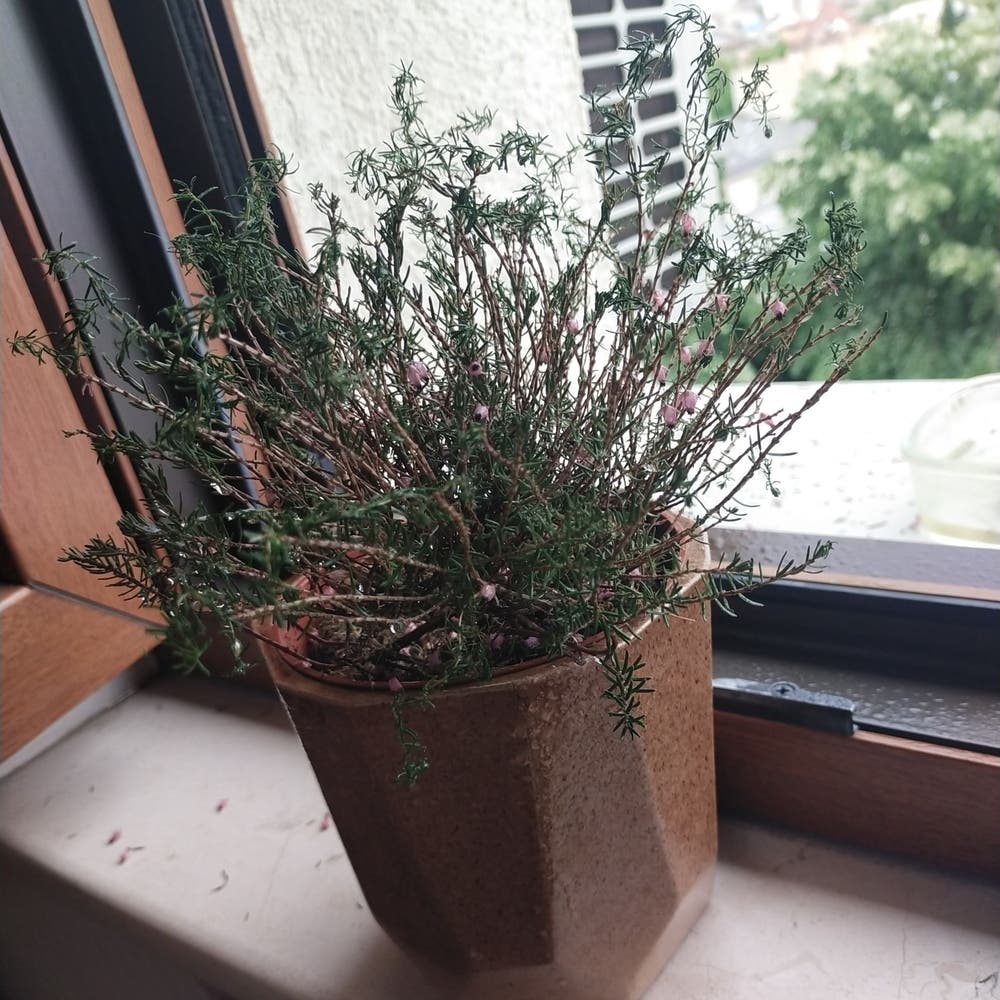
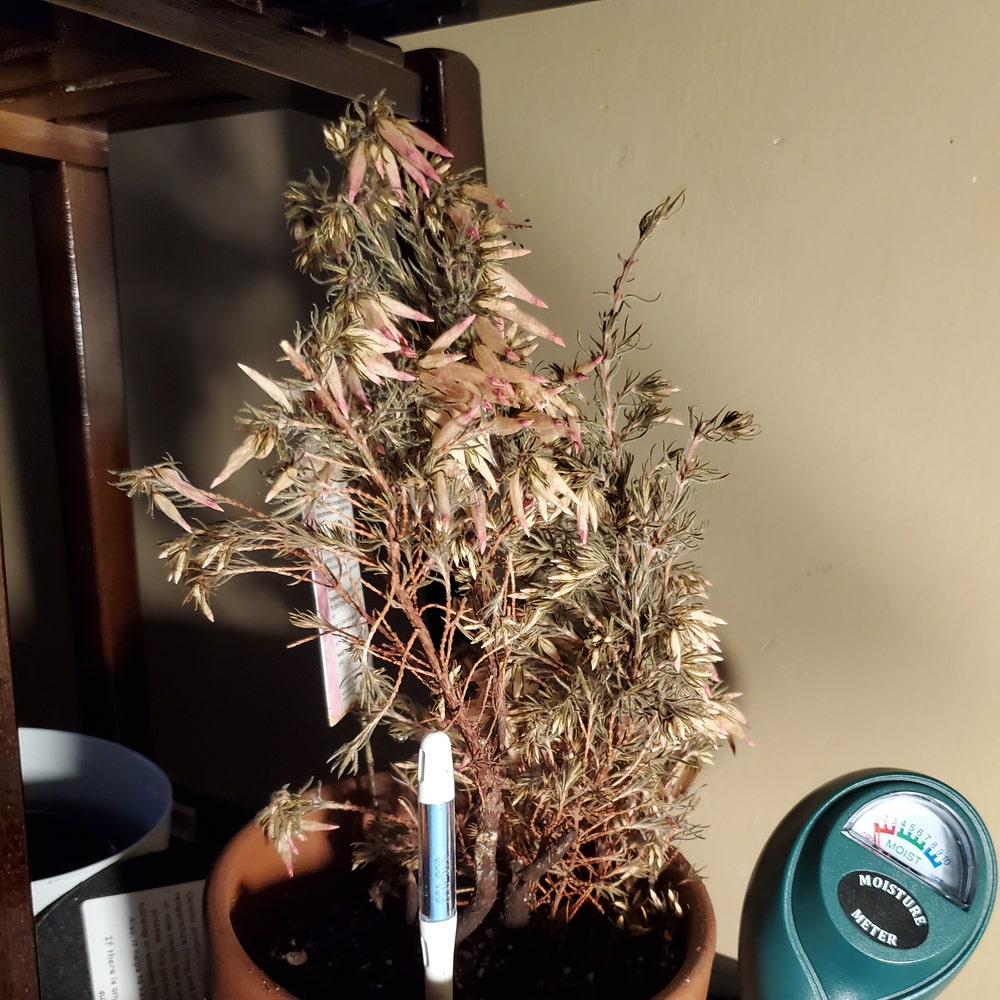
Brown spots on Winter Heath can be deceptive. Initially, they may appear as inconspicuous specks, easily overlooked. Over time, these spots expand, darken, and multiply. They can present as dry, crispy patches or as soggy, lesion-like spots, often encircled by a yellow halo. These blemishes can appear anywhere on the leaf—margins, tips, or centers.
💡 Early Detection Benefits
Spotting these brown spots early is crucial. The sooner you identify the issue, the better your chances of halting its progression. Early detection allows for targeted treatment, significantly improving the plant's recovery prospects. Regular inspections for these symptoms are essential, as they can prevent minor issues from escalating into major health concerns for your Winter Heath.

Rooting Out the Causes
Uncovering the common culprits behind the brown spots on Winter Heath leaves is essential for effective treatment.
🍄 Fungal Foes
Fungi are the stealthy invaders of the plant world, often causing brown spots on Winter Heath. Phytophthora and Botrytis are among the usual suspects, with symptoms including discolored patches and spotty patterns. These fungi thrive in moist conditions, so overwatering or prolonged dampness can invite these unwelcome guests.
🌿 Environmental Enemies
Your Winter Heath's environment can be a friend or foe. Excessive sunlight can scorch leaves, while insufficient light weakens the plant, making it more susceptible to disease. Brown spots may also signal that your plant is grappling with low humidity or temperature stress. It's a balancing act to keep conditions ideal.
💧 Water Woes
Watering habits play a pivotal role in the health of your Winter Heath. Overwatering can lead to root rot, creating a prime environment for fungal growth. Conversely, underwatering stresses the plant, leaving it vulnerable. Ensure proper drainage and a consistent watering schedule to prevent these water woes from causing brown spots.

The Treatment Toolkit
Treating brown spots on your Winter Heath requires a strategic approach. Here's how to get your green thumb to work.
🍄 Fungicide Fix
When it comes to fungal foes, precision is key. Start by pruning away the affected areas with sterilized shears—think of it as giving your plant a much-needed haircut. Next, select a fungicide that's tough on fungi but gentle on plants. Copper-based or potassium bicarbonate solutions are solid picks. Apply it evenly, coating both the top and bottom of leaves, and follow the label's instructions like it's your plant's life manual. Remember, fungus is a stubborn beast; you might need to reapply to show it who's boss.
🌍 Environmental Adjustments
Sometimes, it's not about adding stuff, but changing the scene. If your Winter Heath could talk, it'd probably ask for less drama. Check if it's getting too much sun or if you're loving it to death with water. Adjust your watering routine to avoid extremes—think consistent, like your favorite TV show schedule. Mulch can be a game-changer, keeping the soil's moisture just right and the roots comfy. And let's talk soil—aim for the goldilocks zone: rich yet well-draining.
Remember, the right environment can turn those brown spots from a regular occurrence to a rare guest appearance. Keep the air moving around your plant to avoid fungal raves and ensure the temperature doesn't swing like a pendulum. Your Winter Heath's environment should be as stable as your favorite coffee shop—predictable and always welcoming.

Prevention: The Best Medicine
🌱 Proactive Plant Care
Consistency in care is your Winter Heath's best friend. Watering wisdom dictates that you wait until the soil is dry before quenching your plant's thirst. Overwatering invites brown spots like a moth to a flame. Stick to a diluted, balanced fertilizer during the growing season only; winter is a no-feed zone. Soil should be well-draining and aerated, like a comfy breathable sneaker for roots.
🕵️ Monitoring and Maintenance
Regular check-ups are like a health insurance policy for your plant. Inspect leaves during each watering for early signs of distress. If you spot trouble, act fast—like a plant first responder. Pruning isn't just a haircut for aesthetics; it's a strategic strike against disease. Keep tools clean and sterilize them before giving your plant a trim. And remember, airflow is the unsung hero in the fight against fungal foes—don't let your Winter Heath suffocate in stagnant air.
⚠️ Safety First
This content is for general information and may contain errors, omissions, or outdated details. It is not medical, veterinary advice, or an endorsement of therapeutic claims.
Always consult a qualified healthcare professional before using any plant as food, medicine, or supplement.
Never eat any plant (or feed one to pets) without confirming its identity with at least two trusted sources.
If you suspect poisoning, call Poison Control (800) 222-1222, the Pet Poison Helpline (800) 213-6680, or your local emergency service immediately.
Spotted an error? Please report it here.
Keep your Winter Heath spotless 🍃 with Greg's tailored care reminders, halting brown spots in their tracks for a lush, healthy plant.