My Winter Heath Leaves Are Turning Yellow. What Should I Do?
Erica carnea
By the Greg Editorial Team
Jun 18, 2024•5 min read
This article was created with the help of AI so we can cover more plants for you. May contain errors. See one? Report it here.
Solve your Winter Heath's yellowing dilemma 🍂 and restore its lush beauty with essential care tips.
- Yellow leaves signal issues like improper watering, pests, or nutrient problems.
- Balance light and water; too much or too little of either can cause yellowing.
- Monitor soil pH and nutrients to prevent and address yellowing leaves.
Spotting the Signs: Yellow Leaves on Your Winter Heath
🍋 Identifying Yellowing Patterns
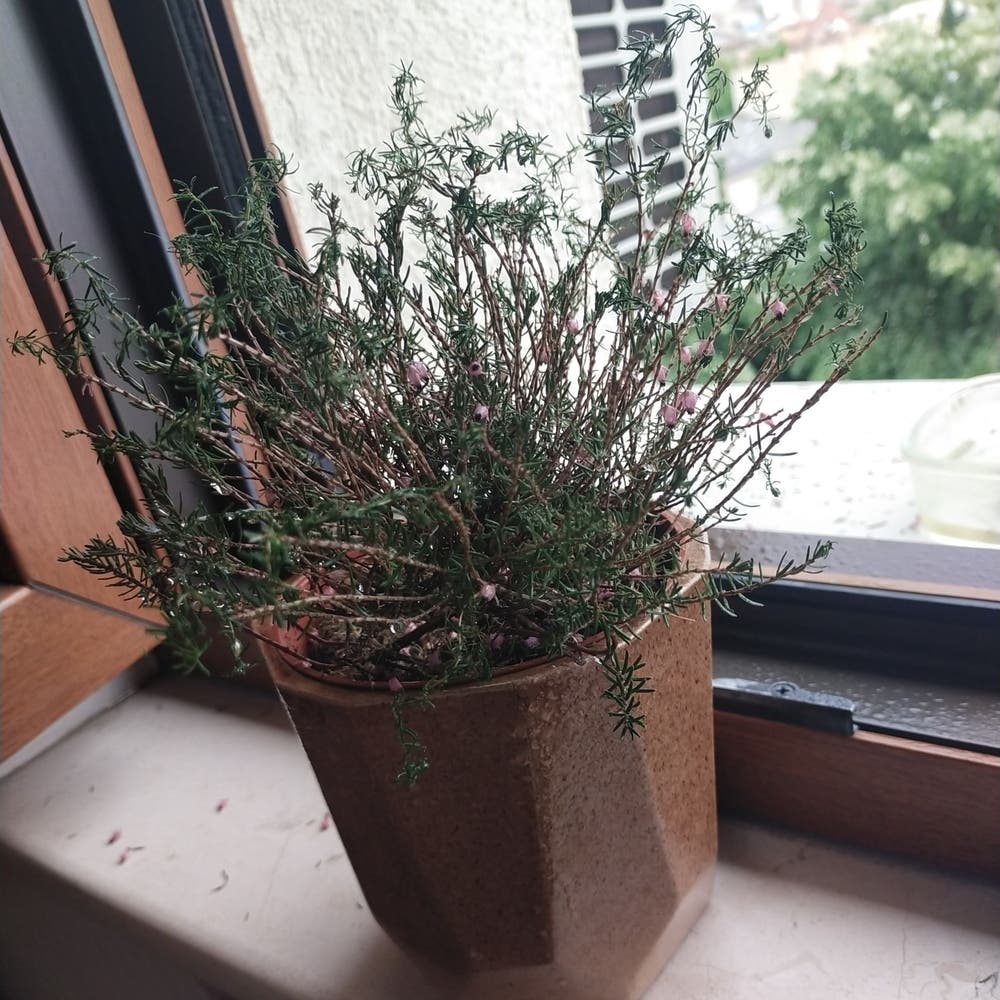
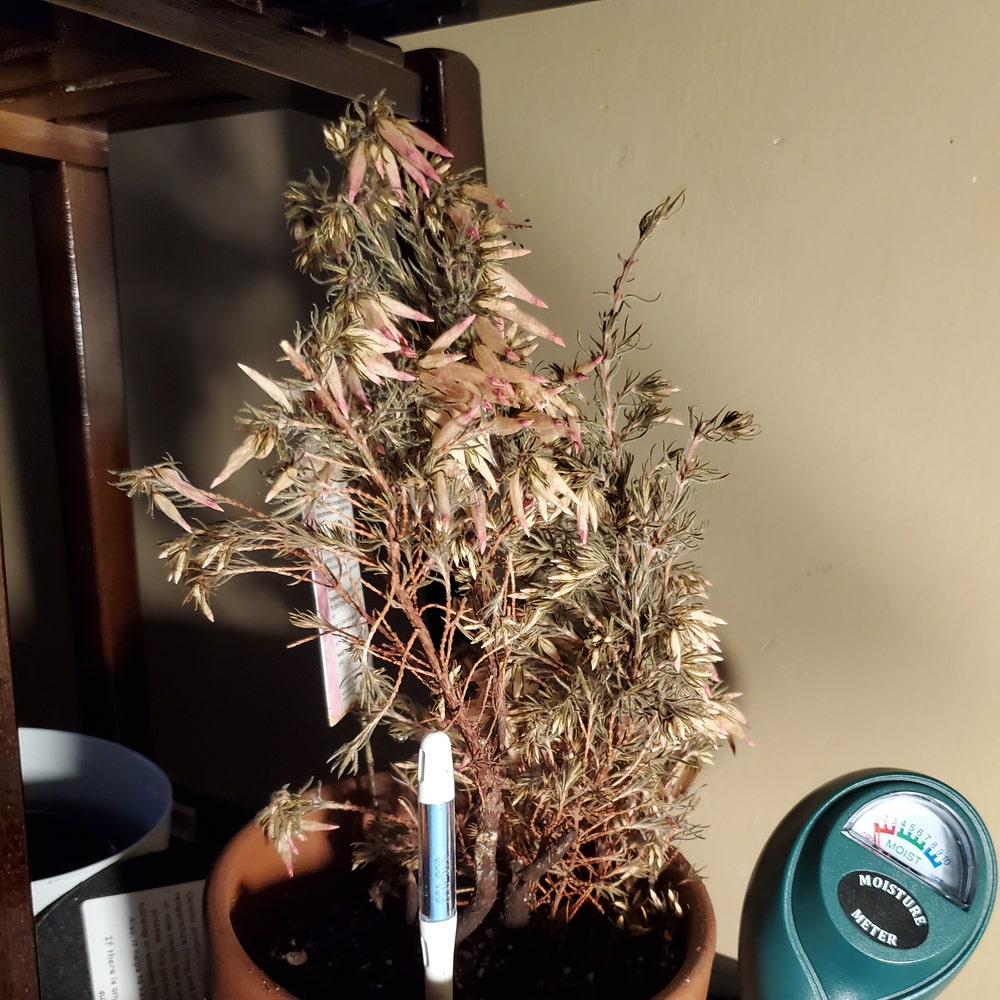
Yellowing leaves on your Winter Heath can be the plant's Morse code for help. Uniform yellowing often points to a systemic issue, like improper watering or nutrient deficiencies. If it's the lower leaves turning yellow first, your plant might be shedding old growth, which is normal. But when new growth starts to yellow, it's time to pay attention.
🐜 Checking for Pests and Disease
Pests are the sneak thieves of the plant world, and diseases are their accomplices. Check for sticky residue, webbing, or irregular spots on leaves—these are red flags. Mealybugs and spider mites are common culprits, and they can turn your plant's leaves yellow as they drain its vital juices. Fungal infections often announce themselves with spots or blights. Regular inspections will help you catch these uninvited guests early.
Getting to the Root: Causes of Yellow Leaves
💡 Light and Water Balance
In the quest to maintain the vibrant green of Winter Heath, light and water are pivotal. Too much sun can scorch leaves, while too little leaves them languishing in the dark. Bright, indirect light is the sweet spot for this plant. Watering demands a similar precision; the soil should be moist, akin to a wrung-out sponge, but never waterlogged. Overwatering invites root rot, while underwatering leads to stressed, yellow leaves.
🍽️ Soil pH and Nutrient Levels
Soil pH swings can wreak havoc on nutrient uptake. Winter Heath prefers slightly acidic soil; a pH that strays too far from this can block essential nutrients, causing leaves to yellow. Regular soil tests can keep you informed. Nutrient balance is also key. Think of fertilizer as a plant's multivitamin—necessary but not to be overdone. An excess can be just as harmful as a deficiency.
🌞 Environmental Stressors
Temperature and humidity are the silent players in leaf discoloration. Winter Heath doesn't appreciate the drama of fluctuating temperatures or drafts. Consistent conditions are crucial. Humidity levels too low can lead to dry, unhappy leaves. If your home's air rivals a desert, consider a humidifier to keep your Winter Heath from a yellow-leafed fate.
Turning Over a New Leaf: Remedies for Yellowing
💡 Adjusting Care Routines
Light exposure is key. Your Winter Heath isn't sunbathing on the beach—it needs a spot with bright, indirect light. Too much sun is a recipe for yellow leaves, like a sunburn on your skin. If your plant's leaves are screaming for sunglasses, it's time to move it out of the direct line of fire. Use sheer curtains to diffuse harsh rays without leaving your plant in the dark.
Watering is a delicate dance. The goal is a steady rhythm, not a sporadic jig. Check the soil's top inch; if it's dry, it's time for a drink. Water thoroughly until it drains freely from the bottom, then give it a break to avoid waterlogged roots. Think of it as quenching thirst, not drowning sorrows.
🍽️ Soil and Nutrition Fixes
Soil pH can make or break your plant's mood. Winter Heath loves acidic soil, so if it's not acidic enough, your plant will throw a yellow flag. Conduct a soil test to check the pH level and amend with sulfur or peat moss if necessary.
Nutrients are your plant's lifeline. A balanced fertilizer is like a well-rounded diet—too much of one thing and you tip the scales. Use it sparingly at the start of the growing season and always water the soil before applying to avoid root burn.
If your soil is as tired as last year's trends, consider adding compost or humate to rejuvenate it. This improves soil health and nutrient availability, giving your plant a fighting chance to regain its vibrant green color. Remember, overdoing the fertilizer is like binge eating; it can do more harm than good. Keep it balanced, and your Winter Heath will thank you.
Preventative Measures: Keeping Your Winter Heath Happy
🕵️ Regular Monitoring and Maintenance
Vigilance is key in preventing the yellowing of Winter Heath leaves. Like updating your wardrobe for the changing seasons, your plant care should adapt with the weather. Watering should be reduced in winter, as overwatering can lead to root rot and yellow leaves. Ensure you're not leaving your plant in the dark; light is scarce during winter months, and your Winter Heath will need enough to maintain its vibrant color.
🛡️ Protective Steps for Winter Vigor
Winter can be tough on plants, but your Winter Heath can thrive with a little foresight. Insulate your plant by shielding it from harsh winds and frost, which can cause damage and yellowing of leaves. Consider a protective layer of mulch to keep the roots cozy. Remember, the goal is to mimic the plant's natural environment—cool and moist. Keep an eye on indoor heating; it can turn your home into a desert, zapping moisture and leaving your Winter Heath parched. If necessary, a humidifier can help keep the humidity levels in check.
Prune your Winter Heath annually, but don't go Edward Scissorhands on it. A moderate trim after flowering encourages growth and prevents the plant from becoming bare inside. It's like hitting the gym for your plant—promoting better airflow and reducing disease risk. And don't forget, a balanced fertilizer will keep your Winter Heath from looking as if it's on a crash diet.
⚠️ Safety First
This content is for general information and may contain errors, omissions, or outdated details. It is not medical, veterinary advice, or an endorsement of therapeutic claims.
Always consult a qualified healthcare professional before using any plant as food, medicine, or supplement.
Never eat any plant (or feed one to pets) without confirming its identity with at least two trusted sources.
If you suspect poisoning, call Poison Control (800) 222-1222, the Pet Poison Helpline (800) 213-6680, or your local emergency service immediately.
Spotted an error? Please report it here.
Ensure your Winter Heath thrives through the chill with Greg's tailored reminders to balance 🌡 light, water, and soil pH just right!