❄️ Ultimate Guide to Winter Heath Varieties
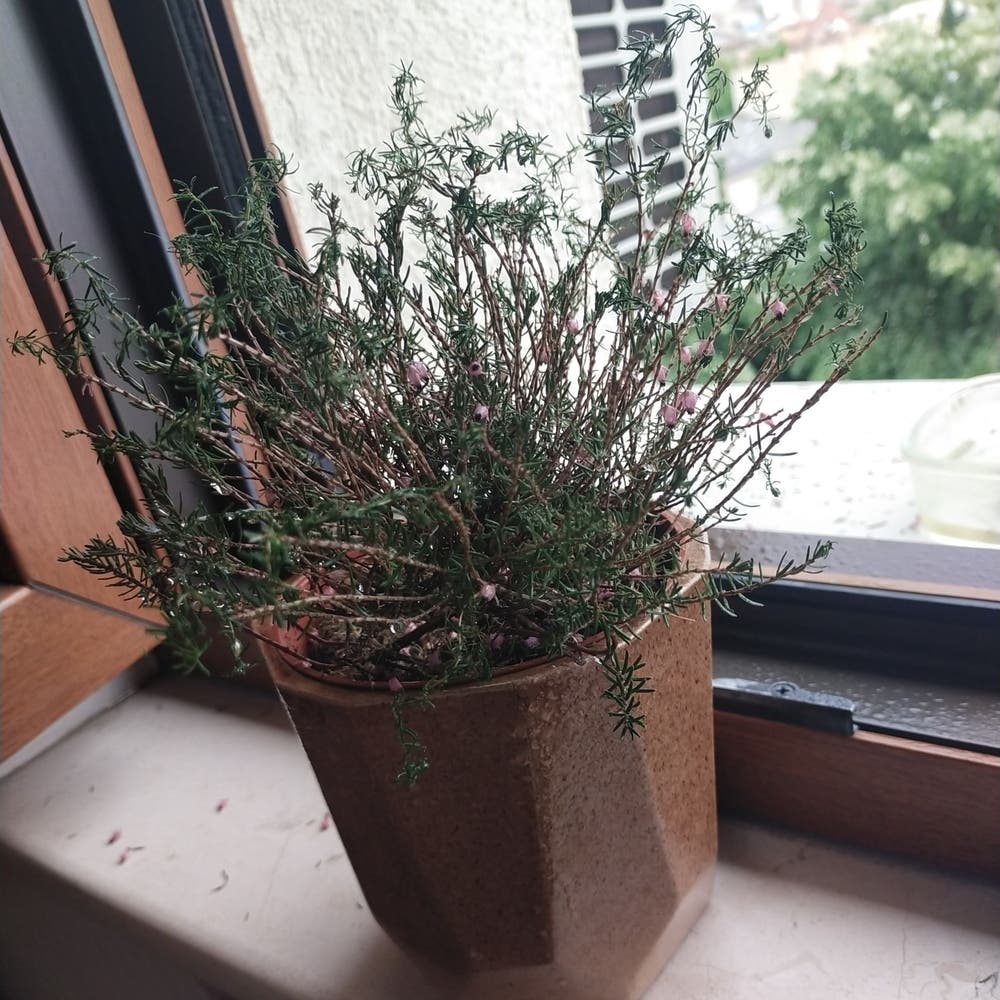
Erica carnea
By the Greg Editorial Team
Sep 30, 2024•4 min read
This article was created with the help of AI so we can cover more plants for you. May contain errors. See one? Report it here.
Elevate your winter garden 🌱 with vibrant winter heath cultivars and essential care tips for a stunning display!
- 🌸 Winter heath cultivars like 'Springwood Pink' bloom vibrantly from late winter to spring.
- 🌼 Hybrid varieties enhance resilience and introduce unique traits for winter gardens.
- 🌈 Diverse colors and sizes create dynamic, visually appealing winter landscapes.
Popular Cultivars
🌸 Description of Popular Cultivars
'Springwood Pink'
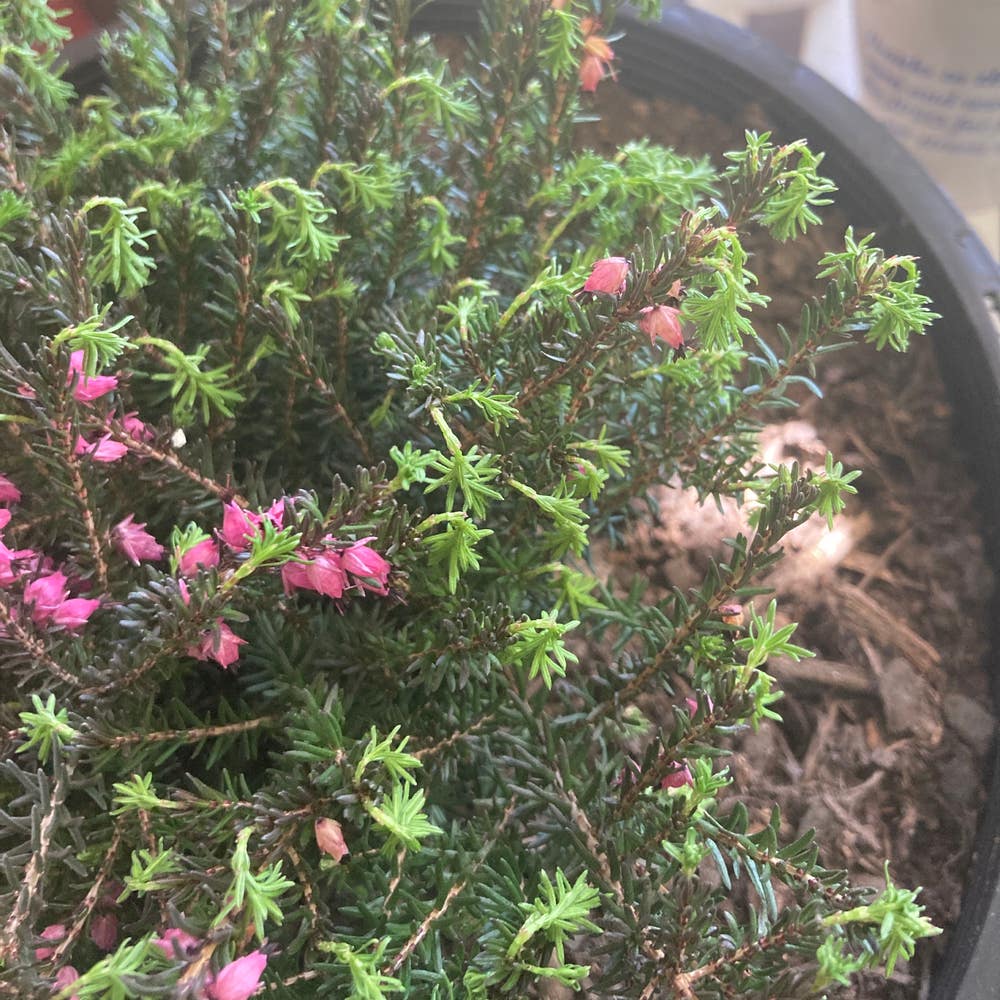
This cultivar is a standout with its abundant pink flowers and compact growth. It blooms from late winter to early spring, adding a splash of color when most gardens are still waking up.
'White Gem'
With its pure white blooms and low-growing habit, 'White Gem' is perfect for rock gardens and borders. Its delicate appearance brings a serene touch to any landscape.
'Kramer's Rote'
Known for its deep red flowers and upright growth, 'Kramer's Rote' is a favorite among pollinators during winter. This cultivar not only beautifies your garden but also supports local wildlife.
🎨 Color Variations
Range of Flower Colors
Winter heath offers a delightful range of flower colors, including pink, white, and purple. These variations allow gardeners to create stunning visual contrasts.
Impact on Garden Design
Incorporating different colors can significantly enhance your garden's design. By strategically placing these cultivars, you can create focal points and visual interest throughout the seasons.
With these popular cultivars, your winter garden can thrive in color and life. Next, we’ll explore hybrid varieties that bring unique traits and resilience to your landscape.
Hybrid Varieties
🌱 Explanation of Hybrid Varieties
Hybrid varieties are the result of crossbreeding different plant species or cultivars. This process enhances resilience and introduces unique traits, making them a popular choice among gardeners.
Hybrids often exhibit improved hardiness, vibrant colors, and extended blooming periods. These characteristics can significantly elevate the aesthetic appeal of your garden.
🌼 Notable Hybrid Varieties
One standout hybrid is 'Erica carnea x Erica darleyensis'. This variety boasts increased hardiness and vibrant flower colors, making it a reliable choice for winter gardens.
Another remarkable option is 'Winter Beauty'. Known for its prolonged blooming period and diverse color palette, it adds a splash of color when most plants are dormant.
These hybrids not only enrich your garden's visual appeal but also offer practical benefits, ensuring your winter landscape remains lively and inviting.
As we explore further, let’s dive into the fascinating world of rare varieties and their unique characteristics.
Rare Varieties
🌟 Introduction to Rare Varieties
Rare varieties of winter heath are defined by their limited availability and unique traits. These plants often stand out in gardens, offering something special for enthusiasts and collectors alike.
🌈 Unique Characteristics
'Erica carnea 'Carmen'
This cultivar boasts striking pink flowers that create a vibrant display. Its compact form makes it perfect for smaller spaces or as a colorful accent.
'Erica carnea 'Golden Star'
With its distinctive golden foliage, 'Golden Star' adds a unique touch to any garden. The contrasting flower colors enhance its visual appeal, making it a standout choice for those looking to diversify their winter landscape.
These rare varieties not only enrich your garden but also spark curiosity and admiration. As we explore further, let’s delve into the size differences among winter heath cultivars and how they can enhance your garden design.
Size Differences
Comparison of Sizes 🌱
When it comes to winter heath varieties, size matters. Low-growing cultivars, like 'White Gem', typically reach heights of 6-12 inches, making them perfect for ground cover.
On the other hand, taller cultivars such as 'Kramer's Rote' stand at 12-18 inches, making them ideal for background planting. This height difference allows for versatile garden designs.
Impact on Garden Design 🎨
Utilizing size variations can transform your garden into a layered masterpiece. By strategically placing low-growing varieties in the foreground, you create a lush carpet of color.
Meanwhile, taller varieties can serve as stunning focal points, drawing the eye and adding depth to your landscape. This thoughtful arrangement enhances visual interest and promotes a harmonious garden aesthetic.
Incorporating these size differences not only beautifies your space but also allows for a dynamic interplay of colors and textures. As you plan your garden, consider how these height variations can elevate your design.
Special Care Requirements
🌱 Specific Care Needs
When it comes to light requirements, winter heath varieties generally thrive in full sun but can also tolerate partial shade. Understanding these preferences is crucial for ensuring vibrant blooms and healthy growth.
Watering needs can vary significantly among different cultivars. Some may prefer consistently moist soil, while others are more drought-tolerant, so it's essential to know your specific plant's requirements.
🌼 Tips for Maintaining Health
Fertilization is key to keeping your winter heath healthy. Tailoring nutrient needs based on the specific cultivar can lead to more robust growth and better flowering.
Pruning techniques also play a vital role in encouraging healthy growth and blooming. Regularly trimming back spent flowers and shaping the plant can enhance its overall appearance and vitality.
By paying attention to these care requirements, you can create a thriving environment for your winter heath varieties. This will not only boost their health but also contribute to a stunning winter garden display.
Next, let’s explore the fascinating world of hybrid varieties and their unique traits.
⚠️ Safety First
This content is for general information and may contain errors, omissions, or outdated details. It is not medical, veterinary advice, or an endorsement of therapeutic claims.
Always consult a qualified healthcare professional before using any plant as food, medicine, or supplement.
Never eat any plant (or feed one to pets) without confirming its identity with at least two trusted sources.
If you suspect poisoning, call Poison Control (800) 222-1222, the Pet Poison Helpline (800) 213-6680, or your local emergency service immediately.
Spotted an error? Please report it here.
Transform your winter garden into a vibrant oasis 🌼 with Greg's personalized care reminders and tips for thriving winter heath varieties!