Why Is My Winter Heath Dropping Leaves?
Erica carnea
By the Greg Editorial Team
Jun 18, 2024•4 min read
This article was created with the help of AI so we can cover more plants for you. May contain errors. See one? Report it here.
Prevent your Winter Heath's winter leaf-drop 🍂 and maintain its lushness with these essential care tips.
- Freezing temps lead to leaf drop; ensure proper moisture and temperature control.
- Poor drainage causes root rot, resulting in leaf loss. Improve soil structure.
- Pests and diseases threaten leaves; monitor and treat early, mulch, and prune for health.
When the Cold Bites: Winter Stress on Winter Heath
❄️ Temperature Extremes and Their Toll
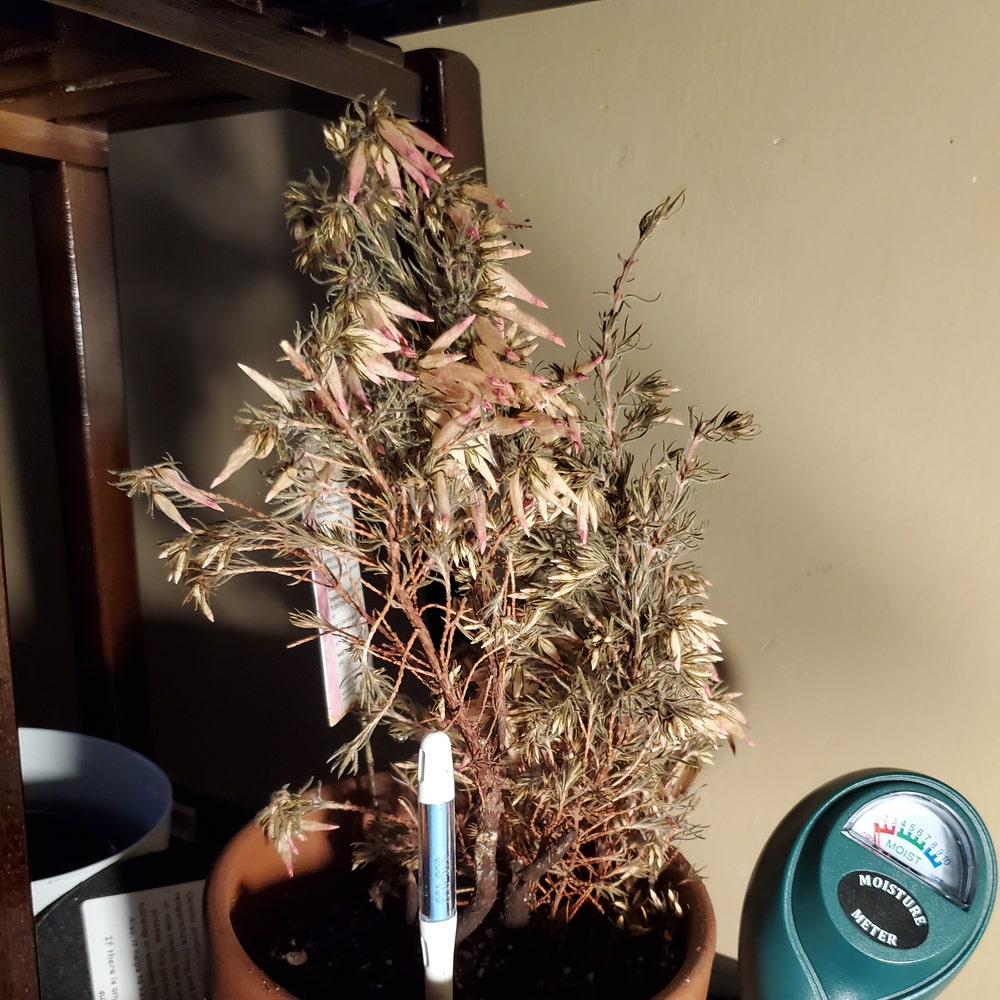
Freezing temperatures are the silent assailants of Winter Heath, causing leaves to dry out and drop like flies. Leaf desiccation is a telltale sign of a plant in distress, akin to a cry for help in the dead of winter.
🌊 The Perils of Waterlogged Roots
Poor drainage is a recipe for disaster, leading to root rot and a cascade of falling leaves. It's a straightforward equation: waterlogged roots equal a leafless Winter Heath.

Unwanted Guests: Pests and Diseases Leading to Leaf Drop
🕷️ Battling Spider Mites and Aphids
Spider mites and aphids are the bane of Winter Heath's existence, often causing leaves to drop as they feast on plant sap. These tiny vampires suck the life out of leaves, leaving them yellowed, speckled, or curled.
Check the undersides of leaves for fine webbing or clusters of these pests. A strong stream of water or insecticidal soap can send them packing. For stubborn infestations, a miticide might be your best bet.
Remember, vigilance is key. Regular inspections can catch these critters before they turn your plant into an all-you-can-eat buffet.
🍄 Fungal Foes: Mildew and Leaf Spot
Fungal diseases like powdery mildew and leaf spot are stealthy, often going unnoticed until it's too late. Mildew leaves a white, powdery residue, while leaf spot presents as brown or black blemishes on foliage.
Prevention is straightforward: water at the base to keep leaves dry and ensure good air circulation. If you spot signs of fungal fiestas, a targeted fungicide might be necessary.
Prune affected foliage to stop the spread. Think of it as a surgical strike to save the rest of the plant. Keeping your Winter Heath clean and well-spaced can also help prevent these silent assassins from taking hold.

Soil and Water: The Balancing Act
🚰 Ensuring Proper Drainage
Proper drainage is crucial for Winter Heath's health. Overly wet soil leads to root rot, a fast track to leaf drop. To combat this, consider elevating your plant in raised beds or mounds, allowing gravity to assist with water runoff. Additionally, integrating organic matter like compost can improve soil structure, making it more porous and less likely to waterlog.
💧 Moisture Management
Maintaining optimal soil moisture is a delicate dance. It's about hitting that sweet spot—moist, but not soggy. Use your fingers as a makeshift moisture meter, watering only when the soil feels dry to the touch. If you're more tech-inclined, a soil moisture sensor can take the guesswork out. Remember, consistent watering habits are key; erratic watering can send your Winter Heath into a state of stress, shedding leaves like a dog sheds fur in summer.

Shielding Your Winter Heath from Winter Woes
🌱 Mulching for Moisture and Temperature Control
Mulching is your Winter Heath's winter coat. It locks in moisture and buffers against temperature swings. Apply a thick layer, steering clear of the plant's base to prevent rot. Think of it as a moisture regulator and a frost shield rolled into one.
Avoid wet, matted leaf mulch; it's a no-go. Instead, opt for straw or bark that allows the soil to breathe. This isn't just about aesthetics; it's about creating a stable environment for your plant's roots.
✂️ Pruning for Plant Health
Pruning isn't just a haircut for your Winter Heath; it's a strategic move. Late winter pruning sets the stage for healthy spring growth. It's like opening the windows for better airflow; it reduces disease risk and stress on the plant.
Remember, clean cuts and no leaf obscurations. You're not just cutting for the sake of it; you're sculpting for strength and resilience. Regular pruning equals fewer leaves hitting the dirt.
⚠️ Safety First
This content is for general information and may contain errors, omissions, or outdated details. It is not medical, veterinary advice, or an endorsement of therapeutic claims.
Always consult a qualified healthcare professional before using any plant as food, medicine, or supplement.
Never eat any plant (or feed one to pets) without confirming its identity with at least two trusted sources.
If you suspect poisoning, call Poison Control (800) 222-1222, the Pet Poison Helpline (800) 213-6680, or your local emergency service immediately.
Spotted an error? Please report it here.
Keep your Winter Heath thriving 🍃 with Greg's custom care reminders and pest alerts, ensuring you tackle leaf drop head-on for a lush, healthy plant.