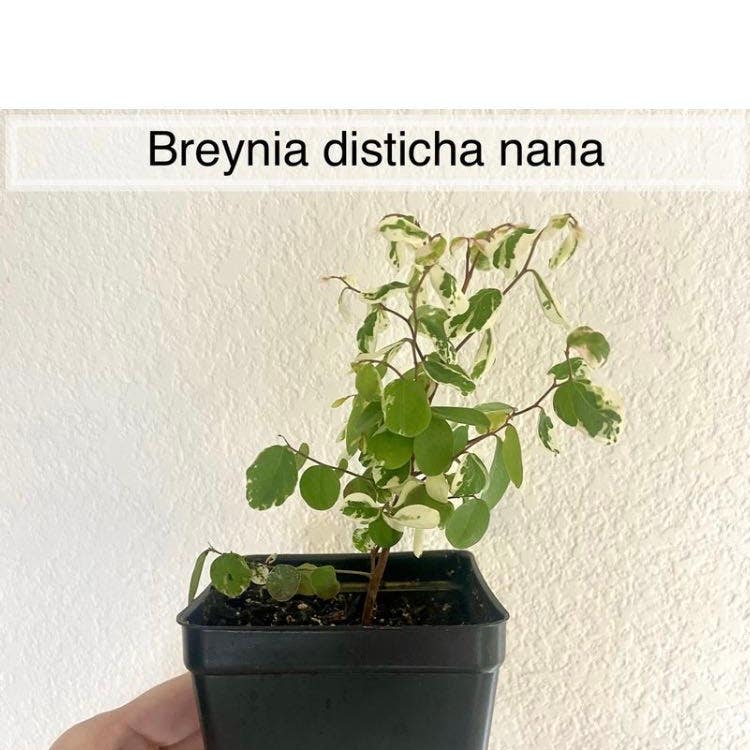
❄️ Determining What Might Be Eating Your Snow Bush
Breynia disticha 'Rosea Picta'
By the Greg Editorial Team
Oct 22, 2024•6 min read
This article was created with the help of AI so we can cover more plants for you. May contain errors. See one? Report it here.
- 🌿 Snow Bush attracts herbivores like deer, rabbits, and squirrels due to its lush foliage.
- 🐾 Identify damage by tracking signs like hoof prints and droppings from herbivores.
- 🚫 Use deterrents like fencing and sprays to protect your Snow Bush effectively.
Appearance and Appeal
🌿 Description
The Snow Bush is a stunning tropical shrub that captivates with its lush foliage and vibrant, small fruits. Typically reaching heights of 3 to 6 feet, it boasts a bushy appearance that adds a tropical flair to any garden.
🐾 Most Appealing Parts to Animals
Tender young shoots are a favorite among herbivores, offering a nutrient-rich and easily accessible snack.
The small, colorful fruits are not just eye-catching; they are also enticing to various animals, making them a target for hungry visitors.
Additionally, the flowers attract pollinators, enhancing the plant's beauty while potentially drawing in some herbivores as well.
Understanding these appealing aspects can help you protect your Snow Bush from unwanted nibblers while appreciating its role in the ecosystem.
Next, let’s explore the common herbivores that might be feasting on your Snow Bush.
Common Herbivores
🦌 Deer
Signs of Presence and Damage
Deer are often the first culprits when it comes to damage to your Snow Bush. Look for distinct hoof prints nearby and leaves stripped from lower branches, which typically leave jagged edges.
Interaction
These graceful creatures can be quite harmful. Their browsing habits can significantly reduce the plant's vigor and overall aesthetics.
Deterrent Methods (difficulty: moderate)
To keep deer at bay, consider using commercial repellents that contain putrescent egg solids. Alternatively, planting deer-resistant species nearby or using human hair and soap shavings can also deter them.
🐇 Rabbits
Signs of Presence and Damage
Rabbits leave behind small, round droppings and nibbling marks on young shoots. You might also notice clean cuts on stems and leaves, often at a 45-degree angle.
Interaction
These furry friends can be quite damaging. Their feeding can lead to stunted growth and reduced flowering of your Snow Bush.
Deterrent Methods (difficulty: easy)
Bitter-tasting sprays can act as a chemical deterrent. For a more organic approach, consider fencing that’s 2-3 feet high or planting rabbit-resistant plants nearby.
🐿️ Squirrels
Signs of Presence and Damage
Squirrels are notorious for their chewing habits. Look for gnawing marks on branches and fruits, as well as signs of nests in nearby trees or shrubs.
Interaction
These critters can be generally harmful. They often damage fruits and young branches, which can affect the plant's health.
Deterrent Methods (difficulty: moderate)
Capsaicin-based sprays can deter squirrels effectively. You can also install squirrel-proof feeders and use reflective objects to keep them away.
🐦 Birds
Signs of Presence and Damage
Birds can be a mixed blessing. Look for pecking holes in fruits and leaves, as well as nests in the branches of your Snow Bush.
Interaction
While some birds are beneficial pollinators, others can cause damage to your fruits. It’s essential to monitor their activity.
Deterrent Methods (difficulty: easy)
Non-toxic bird repellents can help manage their presence. Additionally, using netting over fruits and scare devices like reflective tape can be effective.
🐭 Rodents
Signs of Presence and Damage
Rodents can be sneaky little pests. Look for tunneling burrows near the base of the plant and signs of gnawed roots and stems.
Interaction
These creatures are generally harmful. Their activities can lead to root damage and overall plant decline.
Deterrent Methods (difficulty: moderate)
Consider using rodent bait stations as a chemical deterrent. For a more organic solution, traps and planting mint or other deterrent herbs nearby can work wonders.
🦡 Groundhogs/Woodchucks
Signs of Presence and Damage
Groundhogs leave large paw prints and droppings near your Snow Bush. You may also notice large bites taken from stems and leaves.
Interaction
These animals can be particularly destructive. They can decimate young plants and significantly reduce overall health.
Deterrent Methods (difficulty: hard)
Commercial repellents containing predator urine can be effective against groundhogs. Alternatively, fencing that’s 3-4 feet high and planting barriers of strong-smelling herbs can help keep them away.
Understanding these common herbivores and their interactions with your Snow Bush is crucial for maintaining its health. With the right deterrent methods, you can protect your plant and enjoy its beauty for years to come. Next, let’s explore the beneficial animals that can positively impact your garden.
Beneficial Animals
Description 🐝
Pollinators like bees and butterflies are drawn to the vibrant flowers of the Snow Bush. These creatures play a crucial role in the ecosystem, ensuring that plants can reproduce effectively.
Positive Impacts 🌼
Pollination significantly enhances fruit and flower production. Additionally, certain bird species contribute to pest control, naturally keeping harmful insect populations in check.
The Importance of Balance ⚖️
While herbivores can pose challenges, beneficial animals create a balance in your garden. Embracing these allies can lead to a healthier, more vibrant Snow Bush.
Encouraging Beneficial Wildlife 🌿
To attract these helpful creatures, consider planting a variety of flowers and providing water sources. This not only supports pollinators but also enriches your garden's biodiversity.
Conclusion 🌍
Understanding the role of beneficial animals helps you appreciate the intricate web of life surrounding your Snow Bush. By fostering a welcoming environment, you can enjoy both the beauty of your plants and the advantages these animals bring.
Next, we’ll explore effective protection strategies to safeguard your Snow Bush from potential threats.
Protection Strategies
🛡️ Preventive Measures
Fencing is one of the most effective ways to protect your Snow Bush from larger herbivores. Installing barriers that are at least 3-4 feet high can deter animals like deer and groundhogs.
Companion planting is another smart strategy. By placing plants that naturally repel herbivores nearby, you can create a protective buffer for your Snow Bush.
⚠️ Reactive Solutions
Monitoring your plants regularly is crucial. Keep an eye out for signs of animal damage, such as chewed leaves or tracks.
When you notice any signs, take immediate action. Applying deterrents promptly can help minimize further damage and keep your Snow Bush thriving.
🌦️ Seasonal Variations
Be aware that herbivore activity varies with the seasons. In spring, many animals seek out tender shoots, making your Snow Bush particularly vulnerable.
As fall approaches, the ripening fruits will attract various herbivores. Being proactive during these times can make a significant difference in your plant's health.
With these strategies in place, you can enjoy the beauty of your Snow Bush while minimizing the impact of hungry visitors. Next, let’s explore the toxicity and ecological role of this fascinating plant.
Toxicity and Ecological Role
Toxic Effects 🐍
Snow Bush exhibits mild toxicity in certain parts, which can deter excessive feeding by herbivores. However, this doesn't completely prevent interactions, as many animals may still nibble on its foliage and fruits.
Ecological Roles 🌱
Herbivores play a vital role in the ecosystem, contributing to seed dispersal and nutrient cycling. By consuming and moving seeds, they help maintain plant diversity and promote healthy soil.
Understanding these dynamics can enhance your appreciation for the Snow Bush and its place in the environment. As we explore protection strategies next, consider how these interactions shape your gardening approach.
⚠️ Safety First
This content is for general information and may contain errors, omissions, or outdated details. It is not medical, veterinary advice, or an endorsement of therapeutic claims.
Always consult a qualified healthcare professional before using any plant as food, medicine, or supplement.
Never eat any plant (or feed one to pets) without confirming its identity with at least two trusted sources.
If you suspect poisoning, call Poison Control (800) 222-1222, the Pet Poison Helpline (800) 213-6680, or your local emergency service immediately.
Spotted an error? Please report it here.
Protect your Snow Bush from hungry herbivores 🦌 by using Greg's tailored reminders and tips for effective deterrents, ensuring your plant remains vibrant and healthy!