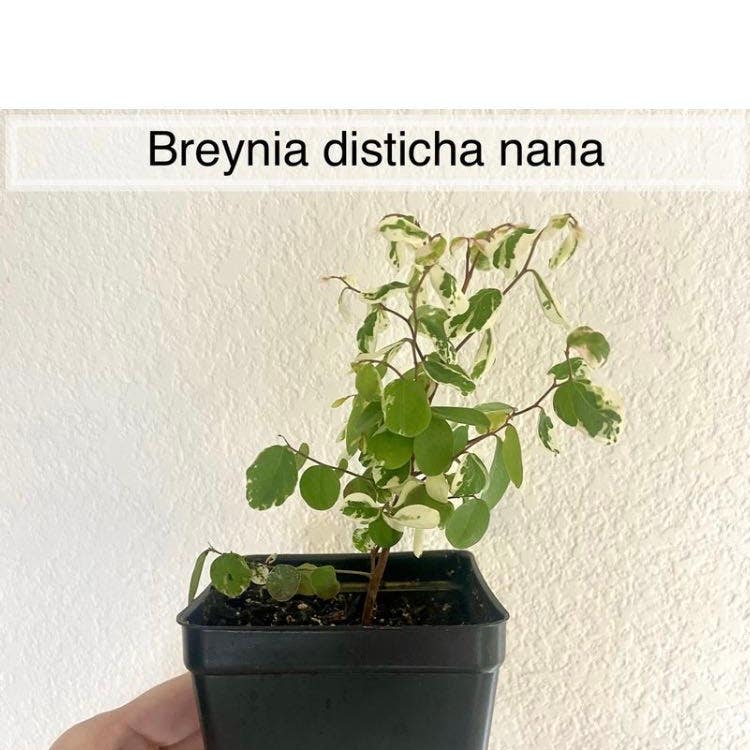
❄️ 3 Tips for Healing Leaves Falling Over on Your Snow Bush
Breynia disticha 'Rosea Picta'
By the Greg Editorial Team
Oct 22, 2024•5 min read
This article was created with the help of AI so we can cover more plants for you. May contain errors. See one? Report it here.
- 🌱 Identify environmental stressors to effectively treat drooping leaves on your snow bush.
- 💧 Proper watering is key; both overwatering and underwatering can cause leaf drooping.
- 🐛 Watch for pests like aphids; they can significantly damage your snow bush.
Causes of Leaf Drooping
🌪️ Environmental Stress Factors
Leaf drooping in your snow bush can often be traced back to environmental stressors. Understanding these factors is crucial for restoring your plant's health.
🌡️ Temperature Fluctuations and Humidity Levels
Temperature swings can wreak havoc on your snow bush. Ideally, maintain a stable environment with moderate humidity to keep your leaves perky.
💧 Overwatering vs. Underwatering: Effects on Leaf Health
Finding the right balance in watering is essential. Overwatering can lead to root rot, while underwatering causes leaves to droop and dry out.
🥦 Nutrient Deficiencies and Their Impact on Plant Vigor
Nutrient deficiencies can significantly affect your plant's overall health. A lack of essential nutrients like nitrogen or iron can lead to weak, drooping leaves, signaling that your snow bush needs a boost.
Understanding these environmental stress factors is the first step in addressing leaf drooping. Next, let’s explore the symptoms of unhealthy leaves to better identify the issues at hand.
Symptoms of Unhealthy Leaves
🌿 Visual and Textural Indicators
When your snow bush starts showing signs of distress, the leaves often tell the story. Yellowing, wilting, and drooping leaves are primary indicators that something isn't right.
Soft or mushy leaves signal overwatering or root issues, while crisp and dry leaves suggest underwatering or environmental stress. Pay attention to these changes; they can guide you in diagnosing the problem effectively.
👀 Recognizing the Signs
Identifying these symptoms early can make a significant difference in your plant's recovery. If you notice yellowing leaves, check the moisture level in the soil and consider your watering habits.
Drooping leaves can indicate a lack of nutrients or improper light conditions. Keep a close eye on your snow bush to catch these signs before they escalate into more severe issues.
📏 Importance of Texture
The texture of the leaves is just as crucial as their color. Soft leaves may indicate rot or pest damage, while dry leaves can be a sign of stress from lack of water or nutrients.
Understanding these visual and textural indicators will empower you to take action swiftly. By addressing these symptoms early, you can help your snow bush regain its health and vibrancy.
🚀 Moving Forward
Now that you can identify the symptoms of unhealthy leaves, it's essential to explore treatment options for pests and diseases. This knowledge will further equip you to restore your snow bush to its former glory.
Treatment Options for Pests and Diseases
🐜 Common Pests and Diseases
Aphids and spider mites are notorious for wreaking havoc on your snow bush. Look for signs like tiny insects clustered on leaves or webbing, which indicate an infestation.
Root rot and fungal infections can also be silent killers. Symptoms include yellowing leaves and a foul smell from the soil, often caused by overwatering or poor drainage.
🛠️ Management Strategies
For pest control, consider organic methods like neem oil or insecticidal soap. These options are effective and less harmful to beneficial insects.
Improving air circulation around your snow bush is crucial. Trim back affected leaves to promote airflow and reduce humidity, which can help prevent further issues.
By staying vigilant and proactive, you can keep your snow bush healthy and thriving. Next, let’s explore the best practices for fertilization to support its recovery.
Fertilization and Nutrient Needs
🌱 Best Practices for Fertilization
To keep your snow bush thriving, understanding NPK ratios is essential. A balanced fertilizer with an NPK ratio of 10-10-10 is often recommended, providing equal parts nitrogen, phosphorus, and potassium.
For those leaning towards organic options, consider using compost or well-rotted manure. These not only enrich the soil but also improve its structure, promoting healthier root systems.
⚠️ Signs of Nutrient Deficiency
Recognizing nutrient deficiencies early can save your snow bush from further stress. Yellowing leaves often indicate a nitrogen deficiency, while pale or chlorotic leaves can signal a lack of iron.
If you notice stunted growth or poor flowering, it’s time to reassess your fertilization strategy. Addressing these signs promptly can rejuvenate your plant’s health.
⏰ Timing and Frequency
Timing your fertilization is crucial for optimal growth. During the growing season, aim to fertilize every 4-6 weeks to ensure your snow bush receives the nutrients it needs.
As seasons change, so should your approach. In fall and winter, reduce fertilization frequency, allowing your plant to rest and conserve energy.
🌦️ Adjustments for Seasonal Changes
Be mindful of how seasonal shifts affect your snow bush's nutrient needs. In spring, as growth resumes, increase your fertilization to support new leaves and blooms.
Conversely, during the colder months, cut back on feeding. This helps prevent nutrient buildup, which can harm your plant when it's less active.
With these fertilization strategies in place, your snow bush will be well-equipped to thrive. Next, let’s explore recovery strategies for stressed plants to ensure they bounce back beautifully.
Recovery Strategies for Stressed Snow Bush
Immediate and Long-term Care 🌱
When your snow bush shows signs of stress, the first step is to adjust its watering and light conditions. Ensure the soil is moist but not soggy; overwatering can lead to root rot, while underwatering can cause further drooping.
Next, consider the light exposure. If your plant is getting too much direct sunlight, it may need some shade to recover. Conversely, if it’s in a dim area, a brighter spot could help rejuvenate its leaves.
Gradual Reintroduction to Optimal Conditions 🌞
After making these adjustments, gradually reintroduce your snow bush to its ideal conditions. This means slowly increasing light exposure or adjusting watering frequency to avoid shocking the plant.
Monitoring recovery progress is crucial. Keep an eye on the leaves for signs of improvement, such as returning color and firmness. Regular checks will help you catch any setbacks early, allowing for timely interventions.
By following these strategies, you can help your snow bush bounce back and thrive once again. Next, let’s explore the best practices for fertilization to ensure your plant gets the nutrients it needs for robust growth.
⚠️ Safety First
This content is for general information and may contain errors, omissions, or outdated details. It is not medical, veterinary advice, or an endorsement of therapeutic claims.
Always consult a qualified healthcare professional before using any plant as food, medicine, or supplement.
Never eat any plant (or feed one to pets) without confirming its identity with at least two trusted sources.
If you suspect poisoning, call Poison Control (800) 222-1222, the Pet Poison Helpline (800) 213-6680, or your local emergency service immediately.
Spotted an error? Please report it here.
Revive your snow bush and breathe life back into drooping leaves 🌱 by using Greg's tailored watering alerts and nutrient tracking to keep your plant thriving!