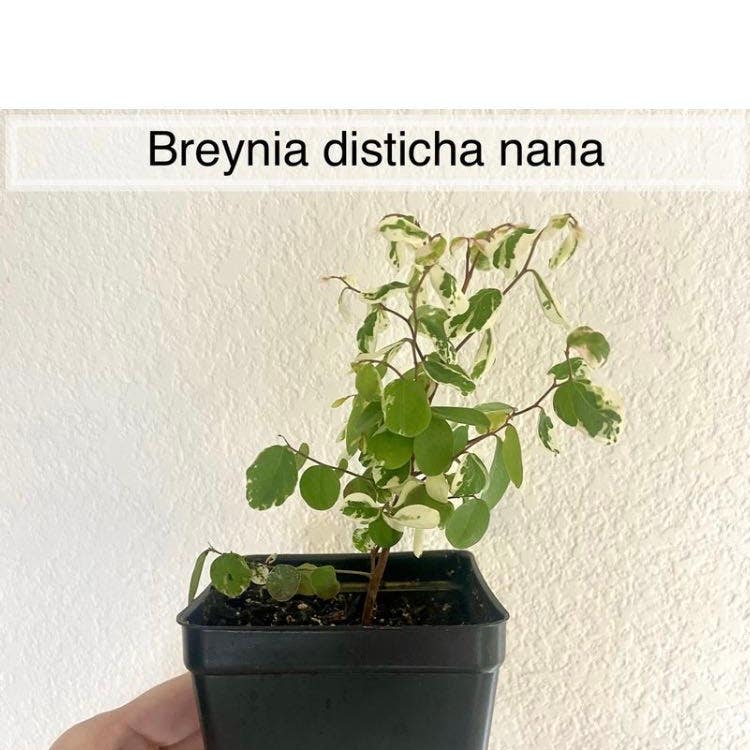
❄️ What to Do About Brown Spots on Your Snow Bush
Breynia disticha 'Rosea Picta'
By the Greg Editorial Team
Oct 22, 2024•5 min read
This article was created with the help of AI so we can cover more plants for you. May contain errors. See one? Report it here.
- 🌱 Brown spots indicate issues like fungal infections, pests, or environmental stress.
- 🐛 Regular inspections help catch pests early, preventing serious damage to your Snow Bush.
- 💧 Consistent watering is key; avoid overwatering to prevent yellowing leaves and root rot.
Diagnosing Brown Spots
🕵️♂️ Identifying Symptoms
Brown spots on your Snow Bush can vary significantly in size, shape, and location. Observing these characteristics is crucial for diagnosis; for instance, small, round spots may indicate a fungal issue, while irregular patches could suggest pest damage.
Understanding the context is equally important. Environmental stressors like drought or excessive sunlight can also manifest as brown spots, so consider the overall conditions your plant is experiencing.
🔍 Differentiating Between Causes
Visual cues can help pinpoint the specific issue affecting your Snow Bush. Fungal spots often appear as dark, water-soaked areas, while pest damage might show up as chewed edges or stippling on leaves.
Nutrient deficiencies present their own patterns. Yellowing leaves with brown tips may signal a lack of essential nutrients, indicating that your plant needs a boost.
🌱 Assessing Plant Health
Take a step back and evaluate the overall vigor of your Snow Bush. Healthy growth patterns and vibrant leaves are signs of a thriving plant, while stunted growth or excessive leaf drop can indicate underlying problems.
Regular health checks are vital for early detection of issues. By observing your plant frequently, you can catch potential problems before they escalate, ensuring your Snow Bush remains healthy and vibrant.
With a solid understanding of symptoms and causes, you're well-equipped to tackle any brown spots. Next, let’s explore effective treatment options to restore your Snow Bush to its former glory.
Treatment Options
🌱 Organic Treatments for Fungal Infections
When dealing with fungal infections on your Snow Bush, selecting the right fungicide is crucial. Look for organic options like neem oil or sulfur-based fungicides, which are effective and environmentally friendly.
Application methods vary, but generally, you should spray the affected areas thoroughly. Timing is key; early morning or late afternoon is ideal to avoid scorching the leaves.
Always follow label instructions closely. This ensures not only the effectiveness of the treatment but also the safety of your plant and surrounding environment.
🐞 Chemical Treatments for Pests
For pest issues, specific insecticides can target common culprits like aphids and spider mites. Products containing pyrethrins or insecticidal soaps are often recommended for Snow Bush.
Safety precautions are essential during application. Wear gloves and a mask, and apply on calm days to prevent drift onto non-target plants.
💧 Adjusting Watering Practices
Watering practices play a significant role in the health of your Snow Bush. Aim for consistent moisture, watering deeply but infrequently to encourage strong root growth.
Signs of overwatering include yellowing leaves and root rot, while underwatering may cause wilting and browning. Adjust your watering schedule based on the season and weather conditions.
🌿 Fertilization Strategies
Fertilization is vital for maintaining the vigor of your Snow Bush. Balanced NPK fertilizers, such as a 10-10-10 mix, are beneficial; apply them according to package instructions during the growing season.
Organic options like compost or fish emulsion can also replenish nutrients naturally. Timing your fertilization with the plant's growth cycle will yield the best results.
These treatment options will help restore your Snow Bush to its vibrant state. Next, let’s explore preventive measures to keep your plant healthy year-round.
Preventive Measures
💧 Proper Watering Techniques
Effective watering is crucial for the health of your Snow Bush. Always check soil moisture levels before watering to ensure you're not overdoing it.
Avoid waterlogged conditions, as they can lead to root rot and other issues. A good rule of thumb is to let the top inch of soil dry out before adding more water.
☀️ Optimal Sunlight Exposure
Snow Bush thrives in the right light conditions. Ideally, it prefers full sun, but partial shade can also be beneficial, especially in hotter climates.
Adjusting the plant's placement based on seasonal changes can significantly impact its health. Monitor how the sunlight shifts throughout the year to keep your Snow Bush happy.
🐛 Regular Inspection for Pests
Routine checks are essential for early pest detection. Look for signs like webbing or sticky residue on leaves, which may indicate pest problems.
Aim for weekly inspections to catch any issues before they escalate. Early intervention can save your plant from serious damage.
🌱 Soil Health and Amendments
Enhancing soil quality is vital for better drainage and nutrient retention. Consider adding compost or perlite to improve soil structure.
Maintaining a balanced pH is also important for nutrient availability. Regularly test your soil to ensure it meets the needs of your Snow Bush.
By implementing these preventive measures, you can foster a thriving environment for your Snow Bush. This proactive approach not only enhances plant health but also minimizes the risk of brown spots and other issues down the line.
Seasonal Considerations
Timing for Treatments and Preventive Measures 🌱
When it comes to caring for your Snow Bush, timing is everything. The best times of year for applying treatments are in the spring and fall, as these seasons are optimal for pest control and fertilization.
In spring, the plant is waking up from dormancy, making it an ideal time to address any lingering issues. Fall is equally important, as it prepares the plant for the winter months ahead.
During peak growing seasons, keep a close eye on your Snow Bush. Regular monitoring will help you catch any potential problems before they escalate, ensuring your plant remains healthy and vibrant.
Common Misconceptions
Myths About Brown Spots on Snow Bush 🌿
Many gardeners mistakenly believe that all brown spots on Snow Bush leaves stem from a single cause. This oversimplification can lead to ineffective treatments and ongoing plant distress.
Another common myth is that brown spots are a natural part of the plant's life cycle, leading to unnecessary worry about leaf drop. Understanding the specific reasons behind these symptoms is crucial for effective care.
Clarifying Care Practices 📝
Tailored care is essential for the health of your Snow Bush. A one-size-fits-all approach often overlooks the unique needs of your plant.
Regular observation and adjustment in care practices can make a significant difference. By staying attuned to your plant's condition, you can address issues before they escalate, ensuring a thriving Snow Bush.
As we move forward, let’s explore effective preventive measures to keep your Snow Bush healthy and vibrant.
⚠️ Safety First
This content is for general information and may contain errors, omissions, or outdated details. It is not medical, veterinary advice, or an endorsement of therapeutic claims.
Always consult a qualified healthcare professional before using any plant as food, medicine, or supplement.
Never eat any plant (or feed one to pets) without confirming its identity with at least two trusted sources.
If you suspect poisoning, call Poison Control (800) 222-1222, the Pet Poison Helpline (800) 213-6680, or your local emergency service immediately.
Spotted an error? Please report it here.
Keep your Snow Bush healthy and spot-free 🌱 by using Greg's tailored care tips and reminders to address issues before they escalate!