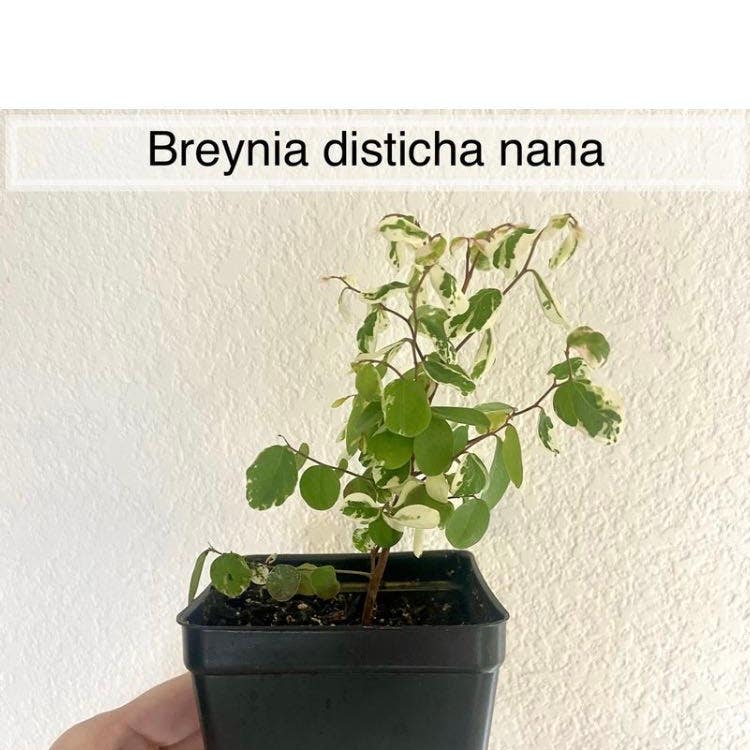
❄️ How to Fix Black Spots on Your Snow Bush
Breynia disticha 'Rosea Picta'
By the Greg Editorial Team
Oct 22, 2024•6 min read
This article was created with the help of AI so we can cover more plants for you. May contain errors. See one? Report it here.
- 🌱 Identify causes of black spots: fungal, bacterial, pests, or environmental stress.
- 💧 Overwatering and low humidity can lead to black spots; adjust care accordingly.
- 🧴 Use neem oil or baking soda for effective treatment of black spots.
Diagnosing the Problem
Differentiating between issues 🌪️
Identifying the cause of black spots on your Snow Bush is crucial for effective treatment.
- Fungal symptoms typically present as dark, circular spots surrounded by yellow halos.
- Bacterial symptoms appear as irregular, water-soaked spots that may ooze, indicating a more severe issue.
- Pest-related symptoms include visible pests, webbing, or sticky residue on leaves, signaling an infestation.
Environmental factors 🌍
Environmental conditions play a significant role in the health of your Snow Bush.
- Watering issues often stem from overwatering, which can lead to poor drainage and root rot.
- Humidity levels are also critical; low humidity can stress the plant, making it more susceptible to diseases.
- Sunlight exposure is essential; inadequate light can weaken the plant, increasing its vulnerability to infections.
Understanding these factors will help you pinpoint the problem and take appropriate action. Next, we’ll explore treatment options to restore your Snow Bush to its vibrant self.
Treatment Options
🌱 Organic Treatments
Neem Oil
Neem oil is a fantastic organic solution for treating black spots on your Snow Bush. Apply it by mixing 2 tablespoons of neem oil with a gallon of water, and spray it on the affected areas every 7-14 days.
Baking Soda Solution
A baking soda solution can also help combat fungal issues. Mix 1 tablespoon of baking soda with 1 teaspoon of liquid soap in a gallon of water, and spray it on the leaves weekly until symptoms improve.
Removal of Affected Leaves
Removing severely affected leaves is crucial to prevent the spread of disease. Use sterilized scissors to cut off these leaves, ensuring you dispose of them properly to avoid re-infection.
🧪 Chemical Treatments and Fungicides
Recommended Fungicides
If organic methods aren’t enough, consider chemical fungicides. Look for products containing active ingredients like chlorothalonil or propiconazole, and follow the application guidelines on the label for best results.
Timing of Applications
Timing is key for maximum effectiveness. Apply fungicides during dry weather, ideally in the early morning or late afternoon, to minimize evaporation and enhance absorption.
Safety Precautions
Always take safety precautions when using chemical treatments. Protect beneficial insects by applying fungicides when they are least active, and avoid spraying on windy days to prevent drift onto surrounding plants.
📋 Step-by-Step Guide to Treating Affected Leaves
- Identify the Type of Black Spot: Determine whether the issue is fungal, bacterial, or pest-related.
- Remove Severely Affected Leaves: Use sterilized tools to cut away any leaves that are heavily infected.
- Apply Chosen Treatment: Follow the instructions for your selected organic or chemical treatment.
- Monitor the Plant: Keep an eye on your Snow Bush for signs of improvement or any new issues.
By following these treatment options, you can effectively tackle black spots and help your Snow Bush thrive. Next, let’s explore preventive measures to keep your plant healthy and vibrant.
Preventive Measures
🌊 Best Practices for Watering
Watering your Snow Bush correctly is crucial for its health. Adjust your watering frequency based on the season and environmental conditions to avoid issues.
Look out for signs of overwatering, such as yellowing leaves and mushy roots. These symptoms indicate that your plant may be suffering from root rot.
To ensure proper drainage, choose the right pot and soil mix. A pot with drainage holes and a well-draining soil will help prevent excess moisture.
🌱 Soil Health and Amendments
Using the right soil type is essential for your Snow Bush. Opt for well-draining mixes that promote healthy root growth.
Pay attention to pH levels, as they play a significant role in optimal growth and disease resistance. Aim for a pH range of 6.0 to 7.0 for the best results.
Incorporate organic amendments like compost or perlite to enhance soil structure. These additions improve aeration and nutrient availability.
☀️ Proper Sunlight Exposure and Location
Your Snow Bush thrives in bright, indirect light. Ensure it receives adequate sunlight to promote healthy growth.
Watch for signs of inadequate light, such as stretching, pale leaves, and increased susceptibility to disease. These indicators suggest your plant needs a better location.
Adjusting your plant's location can make a significant difference. Experiment with different spots to find the ideal light exposure for your Snow Bush.
By following these preventive measures, you can create a thriving environment for your Snow Bush. This proactive approach will help you avoid common issues and keep your plant healthy and vibrant.
Next, let's explore ongoing care and maintenance to ensure your Snow Bush continues to flourish.
Ongoing Care and Maintenance
Regular Inspection and Monitoring 🕵️♂️
To keep your Snow Bush thriving, conduct weekly inspections. Look for signs of black spots, pests, or any environmental stress that could affect its health.
Seasonal Care Adjustments 🍂
As seasons change, so should your care routine. Adjust your watering and fertilization practices to align with the plant's growth patterns.
Preparing for Temperature Fluctuations 🌡️
Be proactive about protecting your Snow Bush from extreme temperatures. Use mulch or move it indoors during harsh weather to ensure its well-being.
Fertilization and Nutrient Management 🌱
Choosing the right fertilizer is crucial for your Snow Bush. Opt for an NPK ratio of 10-10-10 to promote balanced growth.
Timing of Applications ⏰
Fertilize during the growing season, typically in spring and early summer. This timing maximizes nutrient uptake and supports robust growth.
Signs of Nutrient Deficiencies 🚨
Keep an eye out for yellowing leaves or stunted growth, as these can indicate nutrient deficiencies. Address these issues promptly to maintain plant vitality.
By staying vigilant and adapting your care routine, you can ensure your Snow Bush remains healthy and vibrant. Next, let’s explore some common misconceptions that might be affecting your plant care approach.
Common Misconceptions
Myths about black spots 🕵️♂️
Many gardeners mistakenly believe that all black spots on their Snow Bush are caused by pests. In reality, environmental stress can often be the culprit, leading to confusion about the true source of the problem.
Another common myth is that all black spots are fungal infections. While fungi can cause dark spots, other issues like bacterial infections or even pest damage can manifest similarly. Understanding these distinctions is crucial for effective treatment.
Clarifying the role of pests vs. environmental stress 🐛
Pests can significantly impact plant health, but they often exacerbate existing problems rather than create them. For instance, a plant already stressed by low humidity may become more susceptible to pest infestations.
Identifying environmental stress factors is essential for improving your Snow Bush's health. Factors like inadequate watering, poor soil conditions, and insufficient light can all contribute to the plant's vulnerability. By addressing these stressors, you can create a more resilient plant that is less prone to black spots and other issues.
Understanding these misconceptions helps you take a more informed approach to caring for your Snow Bush. With the right knowledge, you can effectively tackle problems and promote a thriving plant.
⚠️ Safety First
This content is for general information and may contain errors, omissions, or outdated details. It is not medical, veterinary advice, or an endorsement of therapeutic claims.
Always consult a qualified healthcare professional before using any plant as food, medicine, or supplement.
Never eat any plant (or feed one to pets) without confirming its identity with at least two trusted sources.
If you suspect poisoning, call Poison Control (800) 222-1222, the Pet Poison Helpline (800) 213-6680, or your local emergency service immediately.
Spotted an error? Please report it here.
Keep your Snow Bush spot-free 🌿 by using Greg's tailored care reminders and tips to tackle issues before they escalate!