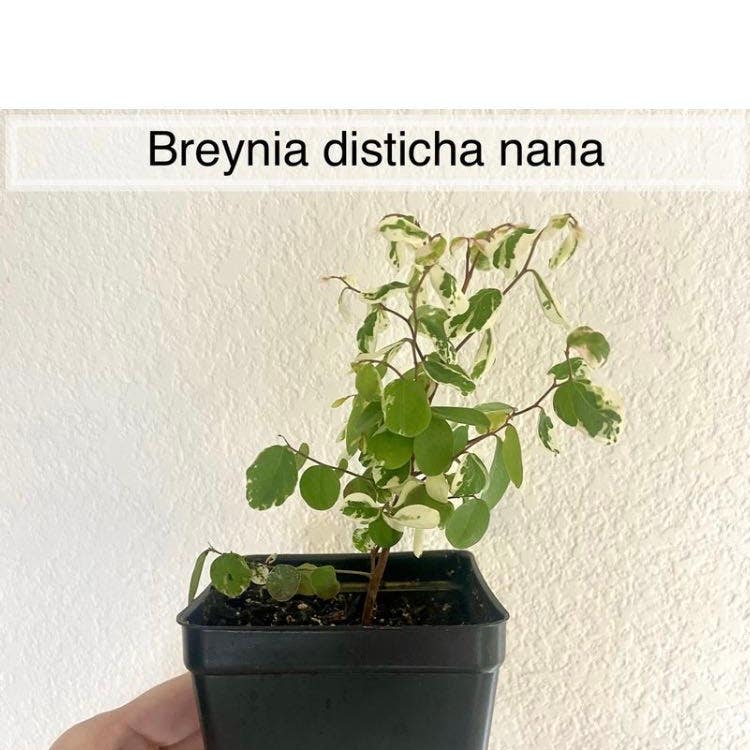
❄️ Ultimate Guide to Humidity for Snow Bush
Breynia disticha 'Rosea Picta'
By the Greg Editorial Team
Oct 22, 2024•3 min read
This article was created with the help of AI so we can cover more plants for you. May contain errors. See one? Report it here.
- 🌧️ Snow Bush thrives in 60-80% humidity; monitor for optimal growth.
- 📏 Use a hygrometer to track humidity levels and prevent plant stress.
- 🌱 Balance humidity to avoid leaf drop and fungal diseases for healthy Snow Bush.
Humidity Needs of Snow Bush
🌫️ Absolute vs. Relative Humidity
Definitions
Absolute humidity refers to the total amount of water vapor present in the air, measured in grams per cubic meter. In contrast, relative humidity indicates the percentage of moisture in the air compared to the maximum it can hold at a specific temperature.
Importance for Snow Bush
Snow Bush thrives in high relative humidity, ideally between 60-80%. This range is crucial for its growth and overall health.
🌈 Ideal Humidity Levels
The best humidity for Snow Bush is consistently within the 60-80% relative humidity range.
- Indoor humidity: Use a hygrometer to monitor levels, aiming for this ideal range.
- Outdoor humidity: Position the plant in naturally humid areas or during humid seasons to ensure it receives adequate moisture.
📉 Effects of Humidity Levels
Low Humidity
Low humidity can lead to several symptoms:
- Leaf drop: Leaves may fall prematurely due to stress.
- Browning leaf tips: This indicates dehydration.
Long-term effects include stunted growth and increased susceptibility to pests, which can compromise the plant's health.
High Humidity
Conversely, high humidity can also pose risks:
- Fungal diseases: Increased risk of powdery mildew and root rot.
- Leaf yellowing: This often indicates potential over-saturation.
Over time, high humidity can lead to compromised plant health and decay, making it essential to find a balance.
⚖️ Strategies for Managing Humidity
Boosting Humidity
To create a more humid environment for your Snow Bush, consider these strategies:
- Use humidifiers: Place them near the plant to maintain consistent humidity.
- Grouping plants: Cluster with other humidity-loving plants to create a microenvironment.
- Pebble trays: Fill trays with water and place them beneath the plant pot to increase humidity.
- Misting: Regularly mist the leaves, ideally 2-3 times a week.
Reducing Humidity
If humidity levels are too high, here are some effective methods to reduce it:
- Ventilation: Ensure good air circulation around the Snow Bush.
- Dehumidifiers: Use these in indoor spaces to control humidity levels.
- Location: Position the plant in areas with better air circulation, avoiding excessive moisture sources.
📏 Monitoring Humidity
Tools for Measuring
For accurate indoor humidity measurements, use hygrometers.
Additionally, keep an eye out for signs of humidity stress, such as leaf drop, browning tips, or fungal diseases. This proactive approach can help maintain your Snow Bush's health.
🧐 Common Misconceptions
Myths about Humidity
One common misconception is that all plants thrive in the same humidity levels.
In reality, Snow Bush specifically requires higher humidity for optimal health. Understanding these needs can significantly improve your plant care routine.
With the right humidity management, your Snow Bush can flourish beautifully. Next, let’s explore the ideal humidity levels in more detail.
⚠️ Safety First
This content is for general information and may contain errors, omissions, or outdated details. It is not medical, veterinary advice, or an endorsement of therapeutic claims.
Always consult a qualified healthcare professional before using any plant as food, medicine, or supplement.
Never eat any plant (or feed one to pets) without confirming its identity with at least two trusted sources.
If you suspect poisoning, call Poison Control (800) 222-1222, the Pet Poison Helpline (800) 213-6680, or your local emergency service immediately.
Spotted an error? Please report it here.
Keep your Snow Bush lush and vibrant 🌿 by using Greg's personalized humidity tips and reminders to maintain its ideal moisture levels!