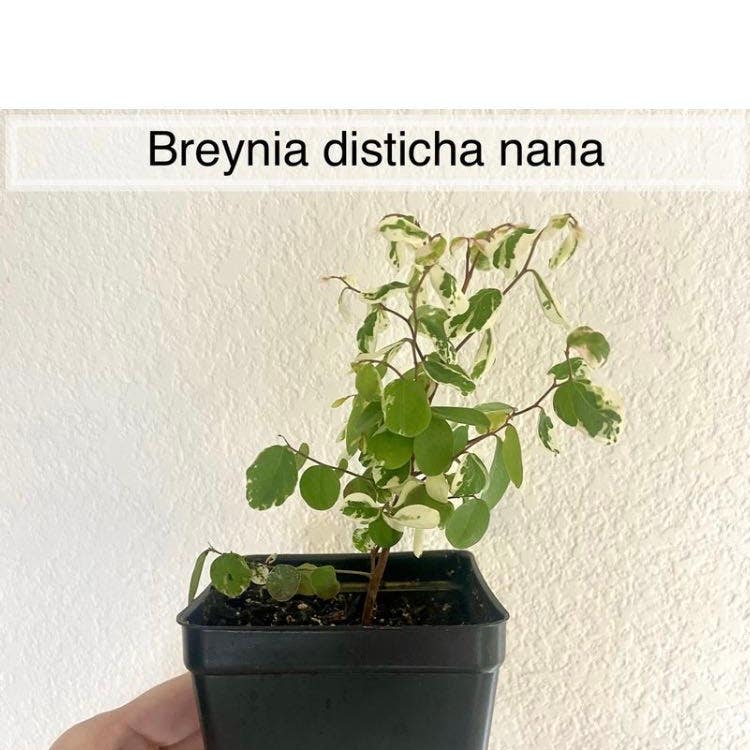
Managing Leaf Drop on Your Snow Bush ❄️
Breynia disticha 'Rosea Picta'
By the Greg Editorial Team
Oct 22, 2024•4 min read
This article was created with the help of AI so we can cover more plants for you. May contain errors. See one? Report it here.
- 🌱 Leaf drop symptoms include yellowing and mushy leaves; monitor closely for changes.
- 💧 Overwatering causes leaf drop; ensure soil dries before watering again.
- ☀️ Bright, indirect sunlight is essential; avoid direct sun to prevent leaf scorch.
Diagnosing Leaf Drop Issues
🕵️♂️ Identifying Symptoms of Leaf Drop
When your Snow Bush starts dropping leaves, it's essential to identify the symptoms quickly. Look for visual signs such as yellowing, browning, or leaves simply falling off.
Another critical indicator is the texture of the leaves. If they feel soft and mushy, it often means you're overwatering your plant.
🌡️ Assessing Environmental Conditions
Next, assess the environmental conditions affecting your Snow Bush. Start by checking the temperature and humidity levels using hygrometers and thermometers for accurate readings.
Light exposure is equally important. Ideally, your Snow Bush should receive bright, indirect sunlight for 6-8 hours daily to thrive.
🐛 Checking for Pests and Diseases
Regular inspections can help you catch pests and diseases early. Examine the undersides of leaves and stems for any signs of pests.
Common diseases affecting Snow Bush include root rot and leaf spot. Identifying these issues promptly can save your plant from further distress.
With a clear understanding of these diagnostic steps, you're well on your way to addressing leaf drop effectively. Next, let’s explore how to prevent these issues from arising in the first place.
Preventing Leaf Drop
Proper Watering Techniques 💧
Watering your Snow Bush correctly is crucial for its health. Aim to water when the top inch of soil feels dry to the touch.
To avoid overwatering, choose pots with drainage holes. Regularly monitor moisture levels to ensure your plant isn’t sitting in soggy soil.
Ideal Soil Conditions 🌱
The right soil mix can make all the difference. A recommended composition is 50% potting soil, 30% perlite, and 20% peat moss for optimal drainage.
Soil aeration is equally important. Techniques like using a fork to gently loosen the soil can help prevent compaction and promote healthy root growth.
Light Requirements for Healthy Growth ☀️
Understanding your Snow Bush's light needs is essential. It thrives in bright, indirect light, so avoid placing it in direct sunlight, which can scorch its leaves.
To ensure even light exposure, rotate your plant regularly. This simple adjustment can help maintain balanced growth and prevent leaf drop.
By implementing these preventive measures, you can create a thriving environment for your Snow Bush. Next, let’s explore effective treatment options if leaf drop does occur.
Treating Leaf Drop
Step-by-Step Guide to Treatment 🌱
Assess Current Conditions: Start by checking your Snow Bush’s watering, light, and humidity levels. This initial evaluation is crucial for identifying the root cause of leaf drop.
Adjust Watering Schedule: Implement proper watering techniques based on your assessment. Ensure you’re watering only when the top inch of soil feels dry to the touch.
Improve Soil Conditions: If necessary, repot your Snow Bush using well-draining soil. A good mix can significantly enhance root health and prevent further leaf drop.
Recommended Fertilizers and Amendments 🌿
Types of Fertilizers: Use a balanced NPK fertilizer, such as a 10-10-10 ratio. This ensures your plant receives essential nutrients for recovery.
Timing of Fertilization: Fertilize every 4-6 weeks during the growing season. This regular feeding helps support new growth and overall plant vigor.
Pest Control Methods Specific to Snow Bush 🐞
Organic Pest Control Options: Consider using neem oil or insecticidal soap to tackle common pests like aphids and spider mites. These organic solutions are effective and safe for your plant.
Monitoring and Prevention Strategies: Regularly inspect your Snow Bush for signs of pests. Maintaining plant health through proper care can prevent infestations before they start.
By following these treatment steps, you can help your Snow Bush bounce back from leaf drop. Next, let’s explore seasonal considerations to keep your plant thriving year-round.
Seasonal Considerations
❄️ Winter Care for Snow Bush
During winter, your Snow Bush needs special attention to thrive indoors. Keep it away from drafts and heating vents to prevent stress and leaf drop.
Adjust your watering frequency as the plant enters dormancy. Reduce watering to avoid over-saturation, allowing the soil to dry out slightly between waterings.
☀️ Summer Care Tips to Prevent Stress
In the summer, consistent watering is crucial. Monitor soil moisture regularly, especially during hot spells, to keep your Snow Bush hydrated.
Providing shade during peak sunlight hours can also help. Use sheer curtains or consider relocating the plant to a spot with filtered light to protect it from harsh rays.
By following these seasonal care tips, you can ensure your Snow Bush remains healthy and vibrant throughout the year. Next, let’s explore effective treatment strategies for any leaf drop issues you may encounter.
⚠️ Safety First
This content is for general information and may contain errors, omissions, or outdated details. It is not medical, veterinary advice, or an endorsement of therapeutic claims.
Always consult a qualified healthcare professional before using any plant as food, medicine, or supplement.
Never eat any plant (or feed one to pets) without confirming its identity with at least two trusted sources.
If you suspect poisoning, call Poison Control (800) 222-1222, the Pet Poison Helpline (800) 213-6680, or your local emergency service immediately.
Spotted an error? Please report it here.
Keep your Snow Bush thriving 🌿 by using Greg's personalized watering reminders and expert care tips to prevent leaf drop and ensure a healthy plant!