☃️ 8 Companions to Boost Your Snow Bush's Growth
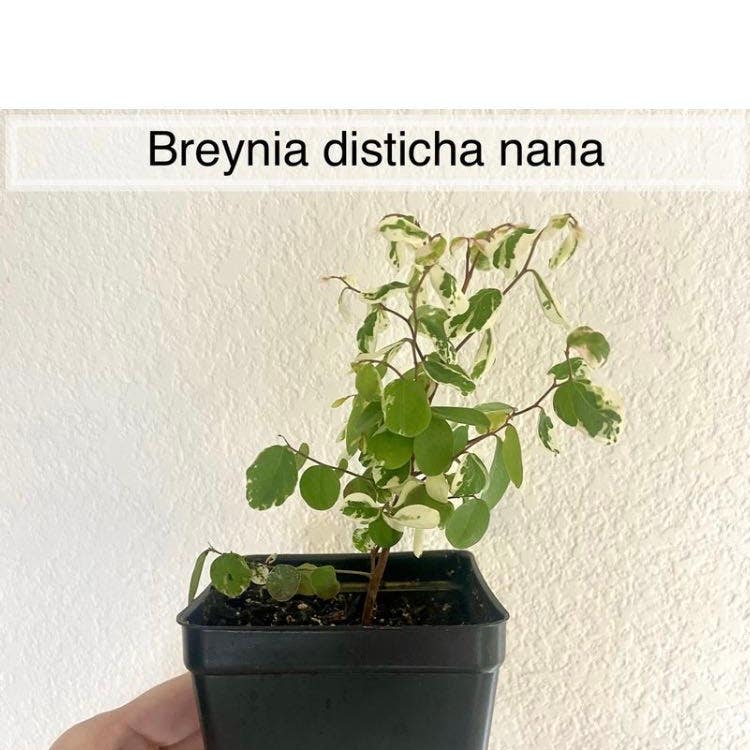
Breynia disticha 'Rosea Picta'
By the Greg Editorial Team
Oct 22, 2024•4 min read
This article was created with the help of AI so we can cover more plants for you. May contain errors. See one? Report it here.
- 🌼 Marigolds and basil boost Snow Bush growth by attracting pollinators and sharing watering needs.
- 🐝 Bee Balm and lavender enhance pollination and visual appeal with vibrant colors and scents.
- 🚫 Avoid invasive plants to prevent competition and ensure a thriving ecosystem for Snow Bush.
Best Companion Plants for Snow Bush
🌼 Marigold
Marigolds are known for their bright, cheerful flowers and strong scent. These vibrant blooms not only attract pollinators but also act as a natural pest repellent, making them a perfect companion for your Snow Bush.
🌿 Basil
Basil is an aromatic herb with lush green leaves that can enhance the flavor of nearby plants. It also repels pests like aphids and shares similar watering needs, making it an easy addition to your garden.
💜 Lavender
With its fragrant purple flowers and silvery foliage, lavender adds both beauty and utility. It attracts pollinators, repels harmful insects, and provides a lovely texture and color contrast to your Snow Bush.
🌸 Nasturtium
Nasturtiums boast vibrant flowers and edible leaves, making them a delightful companion. They act as a trap crop for aphids, enhancing garden diversity while adding visual interest.
🐝 Bee Balm
Bee balm features brightly colored flowers that attract bees and butterflies. This plant not only enhances pollination for your Snow Bush but also shares similar sunlight requirements, making it a harmonious addition to your garden.
These companion plants not only boost the growth of your Snow Bush but also create a thriving ecosystem in your garden. Next, we’ll explore how these plants can help with pest management, ensuring your garden remains healthy and vibrant.
Pest Management
🌱 How Companion Plants Help with Pest Management
Companion plants play a crucial role in pest management by deterring harmful insects and attracting beneficial ones. By creating a balanced ecosystem, these plants help maintain the health of your Snow Bush.
🐞 Specific Pests that Snow Bush May Attract
Snow Bush can attract several common pests, including aphids, spider mites, and whiteflies. Look for signs like yellowing leaves or webbing, which indicate potential infestations and damage.
🌼 Companion Plants that Repel Pests
Several companion plants can effectively repel these pests. For instance, marigolds emit a strong scent that deters aphids, while basil can repel spider mites with its aromatic oils.
These plants not only protect your Snow Bush but also contribute to a thriving garden environment. By incorporating these pest-repellent companions, you enhance your garden's resilience and beauty.
Visual Appeal
How Companion Plants Enhance the Visual Appeal of Snow Bush 🌼
Companion plants can dramatically elevate the aesthetic of your Snow Bush. By combining different species, you create a vibrant tapestry of colors and textures that draws the eye and enriches the garden experience.
The interplay of color, texture, and height is crucial in garden design. A well-planned arrangement not only highlights the unique features of the Snow Bush but also creates a harmonious environment for all plants involved.
Color and Texture Combinations 🎨
To complement the Snow Bush's variegated leaves, consider pairing it with plants that offer contrasting colors. For instance, the bright yellows of marigolds can create a stunning visual contrast against the Snow Bush's green and white foliage.
Harmonious pairings, like lavender's soft purple with the Snow Bush, can create a serene atmosphere. Mixing plants with varying heights, such as bee balm, can also add depth and dimension to your garden layout.
These thoughtful combinations not only enhance visual appeal but also promote a thriving ecosystem. With the right companions, your Snow Bush will shine even brighter in your garden.
As we explore the next section, let’s delve into how these companion plants can also play a vital role in pest management.
Plants to Avoid
🚫 List of Plants that Should Not Be Planted Near Snow Bush
When planning your garden, it's crucial to know which plants can hinder the growth of your Snow Bush. Certain grasses, invasive species, and heavy feeders can compete for vital resources.
- Grasses: They often spread quickly and can overshadow your Snow Bush.
- Invasive Species: These plants can take over and disrupt the balance of your garden.
- Heavy Feeders: Plants that require a lot of nutrients can drain the soil, leaving your Snow Bush struggling.
🧐 Reasons for Avoiding These Plants
Understanding why to avoid these plants can save you a lot of headaches. Competition for resources like water, nutrients, and sunlight can severely impact your Snow Bush's health.
In addition, some plants may attract pests that could harm your Snow Bush. Keeping these competitors at bay ensures a thriving garden ecosystem, allowing your Snow Bush to flourish alongside its companions.
With this knowledge, you can create a harmonious garden that supports your Snow Bush's growth and vitality. Next, let’s explore how companion plants can enhance the visual appeal of your garden.
⚠️ Safety First
This content is for general information and may contain errors, omissions, or outdated details. It is not medical, veterinary advice, or an endorsement of therapeutic claims.
Always consult a qualified healthcare professional before using any plant as food, medicine, or supplement.
Never eat any plant (or feed one to pets) without confirming its identity with at least two trusted sources.
If you suspect poisoning, call Poison Control (800) 222-1222, the Pet Poison Helpline (800) 213-6680, or your local emergency service immediately.
Spotted an error? Please report it here.
Elevate your Snow Bush's growth with companion plants like marigolds and basil 🌼, and let Greg guide you with tailored care tips to create a thriving garden ecosystem!