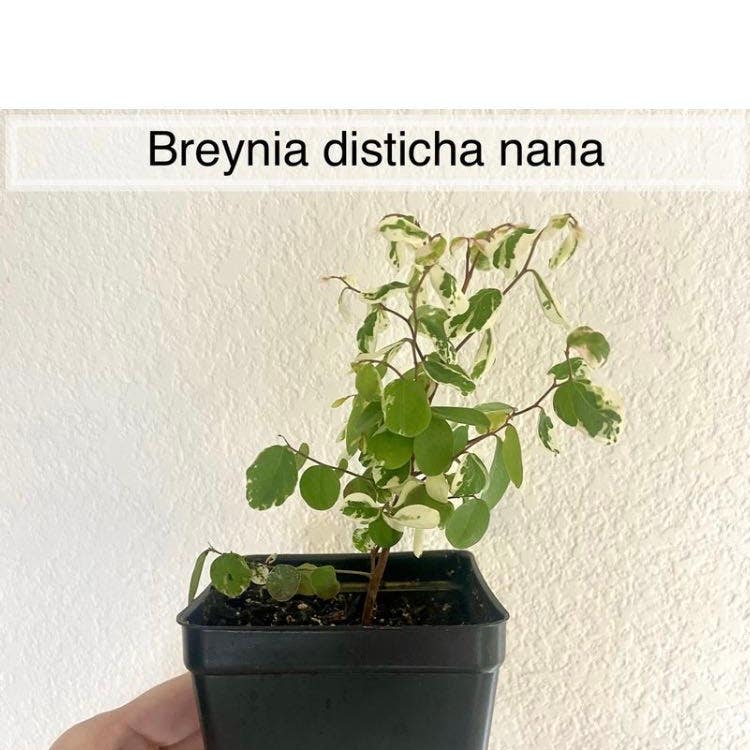
❄️ Snow Bush Is Not Considered a Weed
Breynia disticha 'Rosea Picta'
By the Greg Editorial Team
Oct 22, 2024•5 min read
This article was created with the help of AI so we can cover more plants for you. May contain errors. See one? Report it here.
- 🌳 Snow Bush grows moderately, ideal for hedges and borders in 2-3 years.
- 🐝 Attracts pollinators and provides shelter for beneficial insects, enhancing biodiversity.
- 🌿 Non-invasive and adaptable, Snow Bush supports sustainable gardening in various climates.
Growth Habits
Typical Patterns 🌱
Snow Bush exhibits a moderate growth rate, typically filling out in just 2-3 years. Its bushy structure makes it an excellent choice for hedges or borders, adding a lush, green presence to any garden.
Natural Limits 🌞
This plant thrives in well-draining soil and enjoys moderate sunlight. It generally stays within a height of 6 feet, making it manageable for various garden settings.
Spread Potential and Management ✂️
One of the standout features of Snow Bush is its minimal spread, especially when pruned regularly. Employing regular trimming techniques helps maintain its desired shape and size, making it an easy plant to manage.
With these growth habits in mind, you can effectively incorporate Snow Bush into your garden design. Next, let’s explore its ecological role and the benefits it brings to local ecosystems.
Ecological Role
Benefits to Ecosystems 🌼
Snow Bush plays a vital role in attracting pollinators. Its flowers provide a rich source of nectar for bees and butterflies, making it a favorite among these essential creatures.
Additionally, the shrub offers shelter for beneficial insects. This creates a mini-ecosystem that supports various forms of life, enhancing overall garden health.
Positive Wildlife Interactions 🐦
This plant significantly supports local fauna and contributes to biodiversity. Birds often nest in the dense foliage, creating a lively environment.
Moreover, the presence of pollinators visiting the flowers fosters a thriving ecosystem. This interaction not only benefits the Snow Bush but also enhances the garden's ecological balance.
Incorporating Snow Bush into your garden can lead to a vibrant, dynamic space filled with life. Its ecological contributions make it a valuable addition to any landscape.
Garden Management
Incorporating into Designs 🌿
Snow Bush is a versatile plant that can serve as a stunning focal point in your garden. Its bushy structure makes it ideal for hedges or borders, creating a natural boundary that enhances your landscape.
Pairing Snow Bush with other non-invasive plants can create a cohesive look. Consider mixing it with complementary species to add depth and variety to your garden design.
Aesthetic Considerations 🎨
One of the standout features of Snow Bush is its variegated leaves, which provide year-round visual appeal. This unique foliage can brighten up any garden, making it a favorite among gardeners.
For an even more striking display, pair Snow Bush with flowering plants. This combination not only enhances aesthetics but also attracts pollinators, enriching your garden's ecosystem.
Growth Control Methods ✂️
To maintain the desired size and shape of your Snow Bush, regular pruning is essential. Best practices include trimming back overgrown branches and shaping the plant to fit your design vision.
Timing is crucial for effective pruning. Aim to trim your Snow Bush in late winter or early spring, just before new growth begins, ensuring a healthy and vibrant plant throughout the growing season.
With these garden management tips, you can enjoy the beauty and ecological benefits of Snow Bush while keeping it in check. Next, let’s explore how this plant compares to other non-invasive options in your garden.
Comparison to Other Plants
🌿 Similar Non-Invasive Plants
When considering non-invasive alternatives to Snow Bush, Boxwood and Japanese Holly are excellent choices. Both share similar growth habits, making them suitable for hedges or borders while requiring comparable care.
These plants also attract beneficial wildlife, enhancing your garden's ecological benefits. Their maintenance needs are generally low, allowing for a stress-free gardening experience.
✨ Unique Qualities
Snow Bush stands out with its striking variegated foliage, adding a unique flair to any garden. This visual appeal makes it a favorite among gardeners looking to create eye-catching landscapes.
Additionally, its adaptability to various climates makes it a versatile choice for different environments. Whether you're in a cooler region or a warmer area, Snow Bush can thrive, enriching your garden year-round.
As you explore the possibilities of incorporating Snow Bush into your landscape, consider how its unique qualities can complement your existing plants. This shrub not only enhances aesthetics but also supports local wildlife, making it a win-win for your garden.
Next, let’s delve into the legal and environmental considerations surrounding the planting of non-invasive species.
Legal and Environmental Considerations
📜 Classifications and Guidelines
When planting non-invasive species like the Snow Bush, it's crucial to be aware of local regulations. Many areas have specific guidelines to promote biodiversity and prevent the spread of invasive plants.
Checking these local guidelines ensures compliance and helps maintain a healthy ecosystem. Always consult your local gardening authority or extension service for the most accurate information.
🌱 Sustainable Gardening Practices
Snow Bush is not just low maintenance; it actively supports local wildlife. By incorporating this plant into your garden, you're contributing to a thriving habitat for various species.
Encouraging biodiversity through thoughtful plant selection can lead to a more vibrant garden. Choose plants that complement each other and create a balanced ecosystem, enhancing both beauty and ecological health.
As you plan your garden, remember that every choice counts. Selecting non-invasive plants like the Snow Bush fosters a sustainable environment, making your garden a sanctuary for both you and local wildlife.
Next, let’s explore how to effectively incorporate Snow Bush into your garden designs.
⚠️ Safety First
This content is for general information and may contain errors, omissions, or outdated details. It is not medical, veterinary advice, or an endorsement of therapeutic claims.
Always consult a qualified healthcare professional before using any plant as food, medicine, or supplement.
Never eat any plant (or feed one to pets) without confirming its identity with at least two trusted sources.
If you suspect poisoning, call Poison Control (800) 222-1222, the Pet Poison Helpline (800) 213-6680, or your local emergency service immediately.
Spotted an error? Please report it here.
Transform your garden into a vibrant sanctuary with Snow Bush 🌿, and let Greg provide tailored care tips to help your plants thrive and attract local wildlife!