❄️ Fertilizing Snow Bush to Double Its Growth
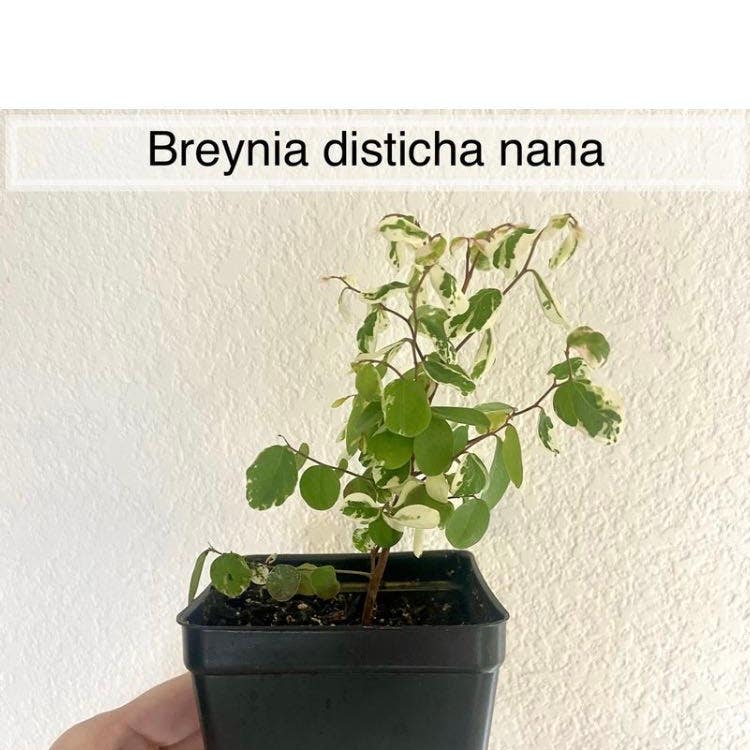
Breynia disticha 'Rosea Picta'
By the Greg Editorial Team
Oct 22, 2024•5 min read
This article was created with the help of AI so we can cover more plants for you. May contain errors. See one? Report it here.
- 🌱 Choose between organic and synthetic fertilizers for optimal Snow Bush growth.
- 📊 Ideal NPK ratios like 3-1-2 or 5-2-4 ensure balanced nutrition.
- 🕒 Fertilize every 4-6 weeks during the growing season for best results.
Types of Fertilizers Suitable for Snow Bush
🌱 Organic vs. Synthetic Fertilizers
When it comes to fertilizing your Snow Bush, you have two main options: organic and synthetic fertilizers.
Organic options include compost, well-rotted manure, and fish emulsion. These natural choices enrich the soil and promote healthy microbial activity.
Synthetic options typically feature balanced NPK fertilizers, like the popular 10-10-10 formulation. These provide a quick nutrient boost, making them effective for immediate results.
🥇 Best Fertilizer for Snow Bush
Choosing the right fertilizer is crucial for optimal growth. Recommended NPK ratios for Snow Bush are 3-1-2 or 5-2-4, which provide a balanced nutrient profile.
You can also decide between slow-release and quick-release fertilizers. Slow-release options gradually feed the plant over time, while quick-release types deliver nutrients rapidly, ideal for immediate needs.
🌟 Special Formulations
For enhanced growth, consider fertilizers that include micronutrients like iron and magnesium. These elements support overall plant health and can lead to more vibrant foliage and blooms.
By selecting the right type of fertilizer, you set your Snow Bush up for success. Next, let’s explore how to apply these fertilizers effectively for maximum impact.
How to Apply Fertilizer to Snow Bush
Application Methods 🌱
When it comes to applying fertilizer to your Snow Bush, you have two main options: granular and liquid fertilizers. Granular fertilizers should be spread evenly around the base of the plant, ensuring that nutrients reach the roots effectively.
For liquid fertilizers, dilute them according to the instructions on the label. Use a watering can or sprayer to apply the solution, making sure to cover the soil around the plant evenly.
Fertilizing Techniques 🌿
Incorporating fertilizer into the soil before planting is a great way to give your Snow Bush a strong start. This method allows the nutrients to mix with the soil, making them readily available to the roots.
During the growing season, consider side-dressing your Snow Bush. This technique involves adding fertilizer around the base of the plant to provide a nutrient boost as it grows.
Recommended Application Rates 📏
A general guideline for applying granular fertilizer is to use 1-2 tablespoons per foot of plant height. This ensures that your Snow Bush receives the right amount of nutrients without the risk of over-fertilization.
By following these application methods and techniques, you can set your Snow Bush up for success. Next, let’s explore the timing and frequency of fertilization to maximize growth.
Timing and Frequency of Fertilization
🌱 Fertilizer Schedule
Timing is everything when it comes to fertilizing your Snow Bush. Start with initial fertilization right at planting time to give your plant a strong foundation.
After that, aim for regular feeding every 4-6 weeks during the growing season. This consistent nourishment helps your Snow Bush thrive and reach its full potential.
🌼 Seasonal Fertilization
Spring is the perfect time to kick off your fertilization routine. As new growth appears, it’s essential to start feeding your Snow Bush to support its development.
In summer, continue this feeding regimen to encourage blooming. However, as fall approaches and your plant enters dormancy, it’s wise to reduce or stop fertilization altogether. This helps your Snow Bush conserve energy for the colder months ahead.
By following this timing and frequency guide, you’ll set your Snow Bush up for a vibrant and healthy growth cycle. Next, let’s explore how to avoid the pitfalls of over-fertilization.
Avoiding Over-Fertilization
Symptoms of Over-Fertilization 🌱
Over-fertilization can lead to several visual signs that indicate your Snow Bush is struggling. Look out for leaf burn, stunted growth, and reduced blooming, which are clear indicators that your plant is getting too much fertilizer.
Soil testing plays a crucial role in preventing these issues. Regularly checking your soil's nutrient levels helps ensure you're not overdoing it, keeping your Snow Bush healthy and thriving.
How to Correct Over-Fertilization Issues 🚿
If you suspect over-fertilization, immediate action is necessary. Flushing the soil with water can help wash away excess nutrients, while reducing your fertilizer application will prevent further damage.
For long-term health, monitor your plant regularly. Keeping an eye on its growth and overall condition will help you catch any issues early, ensuring your Snow Bush remains vibrant and lush.
With these strategies, you can maintain a balanced approach to fertilization, supporting your plant's growth without overwhelming it. Now, let’s explore common mistakes to avoid in your fertilization journey.
Common Mistakes
💩 Misunderstandings About Fertilization
Many gardeners fall into the trap of believing that more fertilizer equals more growth. This misconception can lead to over-fertilization, which often harms rather than helps your Snow Bush.
Timing is another critical factor. Fertilizing during the plant's dormancy can disrupt its natural cycles and negatively impact its health.
📅 Tips for Effective Fertilization Practices
To ensure your Snow Bush thrives, always follow recommended fertilization guidelines. This approach helps you avoid common pitfalls and promotes healthy growth.
Keeping a fertilization log can also be beneficial. Tracking application dates and amounts allows you to fine-tune your approach and ensure your plant gets exactly what it needs.
By being mindful of these mistakes and tips, you can cultivate a flourishing Snow Bush that doubles its growth potential. Next, let’s explore the timing and frequency of fertilization for optimal results.
⚠️ Safety First
This content is for general information and may contain errors, omissions, or outdated details. It is not medical, veterinary advice, or an endorsement of therapeutic claims.
Always consult a qualified healthcare professional before using any plant as food, medicine, or supplement.
Never eat any plant (or feed one to pets) without confirming its identity with at least two trusted sources.
If you suspect poisoning, call Poison Control (800) 222-1222, the Pet Poison Helpline (800) 213-6680, or your local emergency service immediately.
Spotted an error? Please report it here.
Unlock your Snow Bush's full growth potential 🌿 with Greg's tailored fertilization reminders and expert tips, ensuring your plant flourishes beautifully!