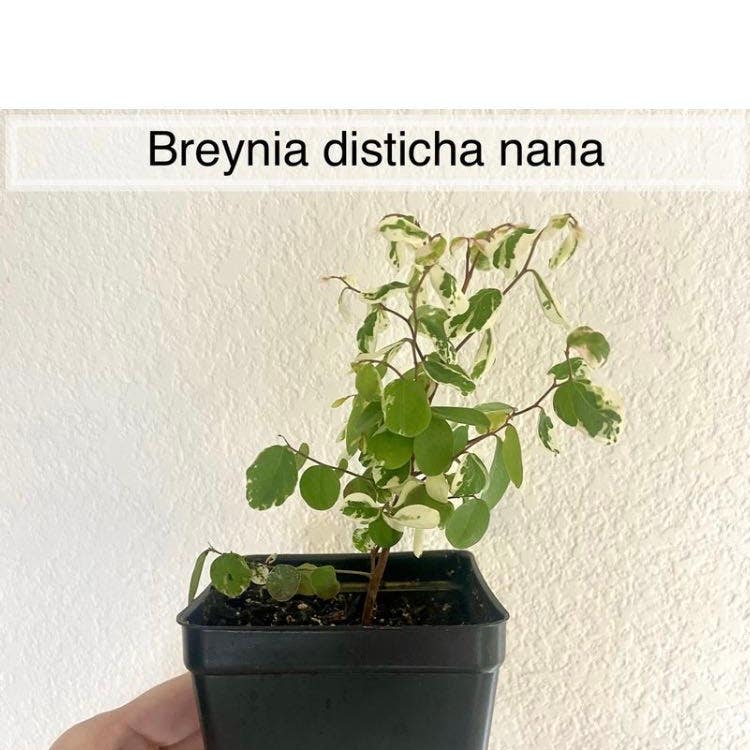
❄️ Best Climate for Snow Bush: Zones 10a-11b
Breynia disticha 'Rosea Picta'
By the Greg Editorial Team
Oct 22, 2024•4 min read
This article was created with the help of AI so we can cover more plants for you. May contain errors. See one? Report it here.
- 🌞 Snow Bush thrives in USDA zones 10a-11b, ideal for warm climates.
- ❄️ Protect from frost; it tolerates temperatures down to 30°F but is frost-sensitive.
- 🌊 Well-drained soil and full sun are essential for vibrant growth and health.
Temperature Tolerance of Snow Bush
Cold Tolerance ❄️
Snow Bush can tolerate temperatures down to 30°F (-1°C), but it’s sensitive to frost. During cold snaps, providing protection, such as covering the plant or moving potted specimens indoors, is crucial to prevent damage.
Heat Tolerance ☀️
On the flip side, Snow Bush thrives in heat, with a maximum tolerance of around 100°F (38°C). Its adaptations, like thick leaves and a deep root system, help it withstand high temperatures while maintaining its vibrant appearance.
With a solid understanding of temperature tolerance, you can ensure your Snow Bush flourishes in the right conditions. Next, let’s explore the ideal growing regions for this resilient plant.
Ideal Growing Regions
Suitable US States 🌞
Snow Bush thrives in USDA hardiness zones 10a to 11b, making it ideal for states like California, Florida, and Texas. These regions boast warm climates, abundant sunshine, and diverse geographic features that support the growth of this vibrant plant.
California, with its Mediterranean climate, offers coastal breezes and well-drained soils. Florida's subtropical environment provides humidity and warmth, while Texas showcases a range of climates, from humid coastal areas to arid regions, all suitable for Snow Bush.
Contributing Factors 💧
For optimal health, Snow Bush requires well-drained soil. Poor drainage can lead to root rot, so ensuring the soil allows excess water to escape is crucial.
Full sun exposure is another key factor. Snow Bush flourishes in bright light, which enhances its growth and vibrant foliage.
Humidity levels also play a significant role. Moderate humidity supports the plant's health, helping it retain moisture and thrive in warmer conditions.
Understanding these factors can help you create the perfect environment for your Snow Bush, ensuring it grows strong and healthy.
Next, let’s explore how microclimates can further influence the growing conditions for Snow Bush.
Microclimates and Their Impact
Definition and Examples 🌍
Microclimates are localized climate variations that differ from the surrounding areas. Factors such as elevation, proximity to bodies of water, and urban heat can create these unique environments.
For instance, a hillside may experience warmer temperatures than the valley below due to elevation. Similarly, areas near lakes or rivers can enjoy milder conditions, protecting plants like Snow Bush from extreme weather.
Extending Growing Range 🌱
Microclimates can significantly expand the growing range for Snow Bush beyond typical hardiness zones. These localized conditions may offer the warmth or moisture needed for successful growth, even in regions that would otherwise be unsuitable.
By strategically planting in these microclimates, gardeners can cultivate Snow Bush in areas with slightly cooler or hotter climates than recommended. This adaptability can lead to thriving plants and vibrant landscapes, showcasing the resilience of nature.
Understanding microclimates not only enhances gardening success but also fosters a deeper connection with the environment. As we explore the next section, we’ll dive into state-level suitability analysis for Snow Bush, identifying where it can truly flourish.
State-Level Suitability Analysis
🌞 Suitable States
Snow Bush thrives best in states that fall within USDA hardiness zones 10a to 11b. Here’s a quick look at some of the top contenders:
- California: With its warm Mediterranean climate, California offers ample sunshine and well-drained soils, perfect for Snow Bush growth.
- Florida: The humid subtropical climate provides the warmth and moisture Snow Bush loves, making it a prime location.
- Texas: Particularly in the southern regions, Texas boasts the heat and sunlight necessary for this vibrant plant to flourish.
These states not only meet the temperature requirements but also provide the ideal environmental conditions for Snow Bush to thrive.
❌ Unsuitable States
On the flip side, certain states are not conducive to growing Snow Bush. Here are a few examples:
- Alaska: The extreme cold and long winters make it impossible for Snow Bush to survive.
- North Dakota: Frequent frost and harsh winters create an unsuitable environment for this plant.
- Maine: The cooler climate and shorter growing season hinder the growth of Snow Bush.
These states lack the warmth and consistent growing conditions that Snow Bush requires, making them unsuitable for cultivation.
📅 Frost Dates Relevance
Understanding frost dates is crucial for successful planting. The first and last frost dates indicate the growing season's length, impacting when you can plant Snow Bush.
- First Frost Date: This marks the end of the growing season. Planting too late can expose Snow Bush to damaging cold.
- Last Frost Date: This signals when it's safe to plant. Knowing this helps ensure your Snow Bush has enough time to establish before the heat sets in.
By paying attention to these dates, you can maximize your chances of a thriving Snow Bush, ensuring it flourishes in your garden.
As we dive deeper into the nuances of microclimates, you'll discover how they can expand the growing range for Snow Bush, even in less-than-ideal conditions.
⚠️ Safety First
This content is for general information and may contain errors, omissions, or outdated details. It is not medical, veterinary advice, or an endorsement of therapeutic claims.
Always consult a qualified healthcare professional before using any plant as food, medicine, or supplement.
Never eat any plant (or feed one to pets) without confirming its identity with at least two trusted sources.
If you suspect poisoning, call Poison Control (800) 222-1222, the Pet Poison Helpline (800) 213-6680, or your local emergency service immediately.
Spotted an error? Please report it here.
Unlock the secret to a thriving Snow Bush 🌿 by using Greg's tailored care reminders to ensure it gets the perfect sunlight, soil, and humidity it craves!