❄️ Signs Your Snow Bush Has Root Rot and How to Fix It
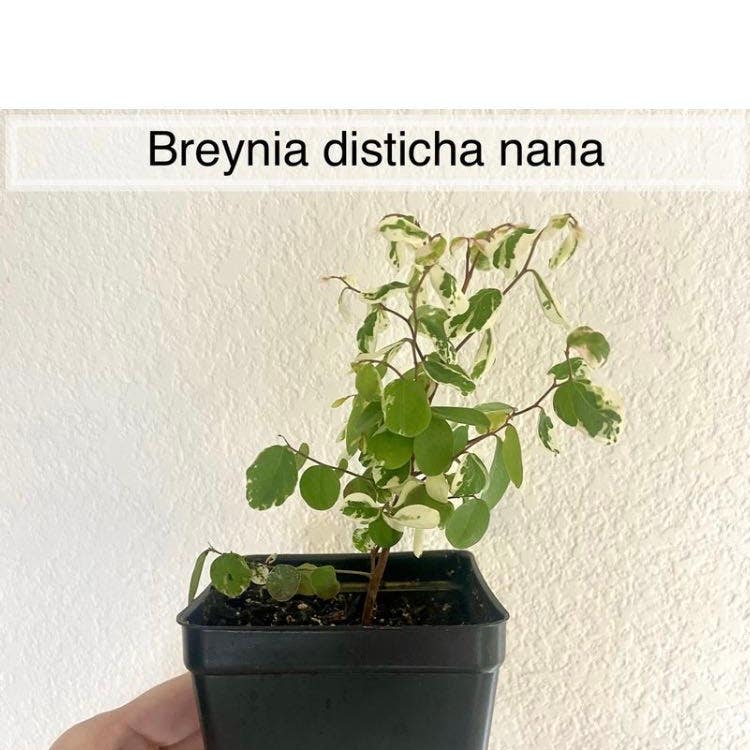
Breynia disticha 'Rosea Picta'
By the Greg Editorial Team
Oct 22, 2024•5 min read
This article was created with the help of AI so we can cover more plants for you. May contain errors. See one? Report it here.
- 🌱 Yellowing leaves and wilting indicate root rot; check roots for health.
- 🕵️♂️ Inspect roots regularly for dark, mushy areas to prevent further decay.
- 🌿 Use well-draining soil and proper watering to avoid root rot issues.
Identifying Root Rot Symptoms
Visual Signs 🌿
One of the first indicators of root rot is yellowing leaves. This often signals nutrient deficiencies caused by damaged roots struggling to absorb essential elements.
Another common symptom is wilting, even when you've watered adequately. This occurs because the roots are unable to uptake moisture effectively, leaving your plant looking droopy and sad.
Lastly, if you inspect the root system and find dark, mushy roots, it's a clear sign of decay. Healthy roots should be firm and white, so any softness or discoloration is a red flag.
Behavioral Changes 🧐
In addition to visual signs, watch for stunted growth. If your snow bush seems to lack vigor and isn't producing new leaves, root rot may be the culprit.
Leaf drop is another stress response to consider. If your plant is shedding leaves prematurely, it’s likely trying to cope with the damage below the surface.
Finally, a foul odor emanating from the soil or roots is a telltale sign of decay. If you catch a whiff of something unpleasant, it’s time to investigate further.
Recognizing these symptoms early can save your snow bush from further decline. Next, let’s dive into how to diagnose root rot effectively.
Diagnosing Root Rot
How to Check the Roots 🕵️♂️
Diagnosing root rot starts with a careful examination of the plant's roots.
- Gently remove the plant from its pot: Take your time to avoid damaging the roots further.
- Inspect the root system for color and texture: Healthy roots should be firm and white or light tan.
- Look for signs of mushiness or discoloration: Dark, soft roots indicate decay and require immediate attention.
Tools Needed for Diagnosis 🛠️
Having the right tools makes the diagnosis process smoother and more effective.
- Clean, sharp pruning shears: These are essential for trimming away any affected roots.
- Gloves: Protect your hands from potential pathogens lurking in the soil.
- Magnifying glass: This helps you examine fine root details, ensuring you don’t miss any signs of trouble.
With these steps and tools, you can effectively diagnose root rot and take the necessary actions to save your snow bush. Next, we’ll explore how to treat root rot effectively.
Treating Root Rot
Step-by-step treatment process 🌱
Remove the plant from the pot and inspect roots. Gently take your snow bush out of its container, being careful not to damage the roots further.
Trim away all affected roots using sterilized shears. Look for dark, mushy roots and cut them off cleanly to prevent further decay.
Rinse healthy roots under lukewarm water to remove soil. This helps clear away any lingering pathogens that could cause issues later.
Allow roots to dry for a few hours before repotting. This step is crucial; it helps the roots recover and prepares them for their new environment.
Recommended treatments 🧪
Use of systemic fungicides. These are effective in targeting root pathogens and can help restore your plant's health.
Organic options like neem oil or cinnamon powder. Both are natural fungicides that can combat root rot without harsh chemicals.
Repotting techniques 🌍
Choose a well-draining potting mix. Incorporate materials like perlite or sand to enhance drainage and aeration.
Select a pot with drainage holes. This ensures that excess water can escape, reducing the risk of future root rot.
Repot at the same depth. Avoid burying the crown of the plant, as this can lead to further stress and decay.
By following these steps, you can effectively treat root rot and give your snow bush a fighting chance. Next, let’s explore how to prevent root rot from occurring in the first place.
Preventing Root Rot
Best Soil Types 🌱
Choosing the right soil is crucial for preventing root rot. A well-draining potting mix is essential; it should be light and airy to promote proper drainage.
Consider incorporating soil amendments like perlite, sand, or orchid bark. These materials enhance aeration and help prevent water from pooling around the roots.
Watering Practices 🚿
Watering frequency plays a significant role in root health. Allow the top inch of soil to dry out between waterings to avoid over-saturation.
Be vigilant for signs of overwatering, such as yellowing leaves or a foul odor from the soil. Adjust your watering schedule accordingly to keep your snow bush thriving.
Importance of Drainage and Pot Selection 🪴
Selecting the right pot size is vital to avoid root crowding. A pot that’s too small can restrict growth and lead to moisture retention.
Ensure your pot has adequate drainage holes. This allows excess water to escape, reducing the risk of root rot and promoting a healthier plant overall.
By implementing these preventive measures, you can significantly reduce the risk of root rot and keep your snow bush flourishing. Next, let’s explore how to maintain plant health for long-term vitality.
Maintaining Plant Health
🌱 Regular Care Tips
Keeping your snow bush healthy starts with monitoring moisture levels. A moisture meter can be a game-changer, ensuring you water only when necessary.
Fertilization is also key. A balanced feeding schedule during the growing season helps your plant thrive and encourages robust growth.
❄️ Seasonal Considerations
As winter approaches, adjust your watering routine. Snow bushes enter dormancy, so reduce watering frequency to prevent root rot.
In summer, pay extra attention to humidity and watering needs. Higher temperatures can lead to quicker evaporation, so keep an eye on your plant's moisture levels.
By following these simple tips, you can maintain a vibrant and healthy snow bush. This proactive approach will help you prevent issues before they arise, ensuring your plant flourishes year-round.
⚠️ Safety First
This content is for general information and may contain errors, omissions, or outdated details. It is not medical, veterinary advice, or an endorsement of therapeutic claims.
Always consult a qualified healthcare professional before using any plant as food, medicine, or supplement.
Never eat any plant (or feed one to pets) without confirming its identity with at least two trusted sources.
If you suspect poisoning, call Poison Control (800) 222-1222, the Pet Poison Helpline (800) 213-6680, or your local emergency service immediately.
Spotted an error? Please report it here.
Spotting root rot signs early is crucial 🌿 for your snow bush's recovery, and with Greg's tailored care reminders and moisture monitoring, you'll have the tools to keep your plants thriving!