Why Snow Bush Is Not an Annual
Breynia disticha 'Rosea Picta'
By the Greg Editorial Team
Oct 22, 2024•2 min read
This article was created with the help of AI so we can cover more plants for you. May contain errors. See one? Report it here.
- 🌱 Snow Bush is a perennial, thriving in tropical and subtropical climates year-round.
- 🌿 Its resilience and unique growth patterns make it a valuable garden addition.
- ❄️ Frost sensitivity leads to misconceptions about Snow Bush being an annual plant.
Snow Bush as a Perennial
🧬 Genetic and Physiological Characteristics
Snow Bush, scientifically known as Breynia disticha, is a fascinating perennial that thrives in tropical and subtropical climates. Its genetic traits are finely tuned for long-term survival, allowing it to endure various environmental challenges.
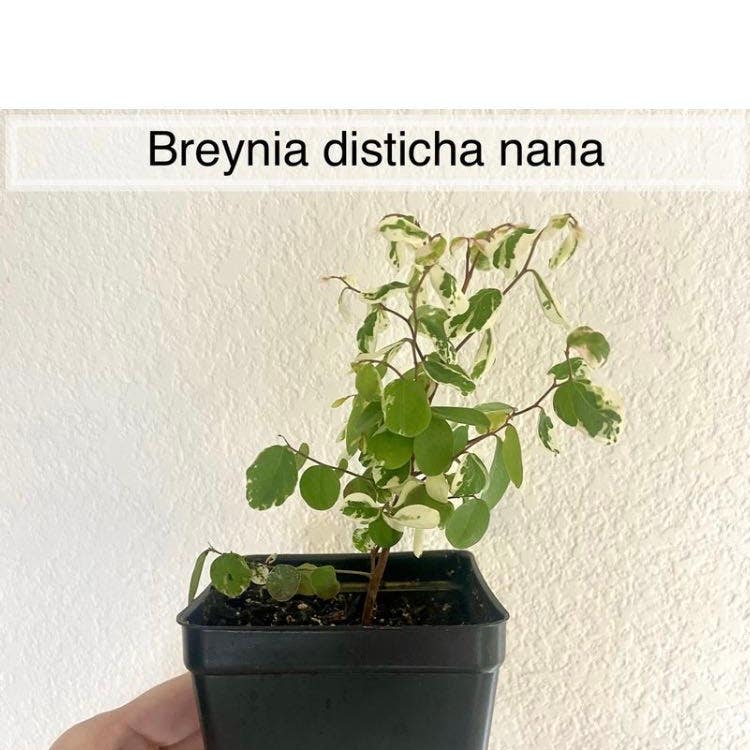
The plant features striking variegated leaves that not only add aesthetic appeal but also provide year-round interest. Its extensive root system is designed for efficient nutrient and water absorption, ensuring it remains robust throughout its lifecycle.
🌱 Long-Term Lifecycle and Growth Patterns
Snow Bush undergoes distinct growth phases: initial establishment, mature growth, and flowering stages. Under optimal conditions, it can thrive for several years, showcasing its resilience.
While its initial growth may be slow, it sustains itself over multiple seasons. Seasonal behavior varies, with dormancy in cooler months and active growth during warmer seasons, making it adaptable to changing climates.
🌼 Reproductive Strategies and Seed Production
This perennial employs both seed production and vegetative propagation as its primary reproductive strategies. Interestingly, Snow Bush experiences multiple flowering periods throughout the year, contributing to its vibrant presence in gardens.
Seed dispersal mechanisms help spread its seeds to new locations, ensuring the continuation of this beautiful plant in various environments.
🌍 Regional Variations and Misconceptions
Frost sensitivity is a significant factor affecting Snow Bush's growth and survival. In cooler climates, it is often misinterpreted as an annual due to its struggle to thrive in low temperatures.
However, its adaptability allows it to behave differently depending on environmental conditions, proving that with the right care, it can flourish even in less-than-ideal settings.
🌿 Implications for Gardeners
For gardeners, Snow Bush offers numerous advantages, including aesthetic appeal and a long-term investment in their landscape. Understanding the differences between perennial growth and annual planting can inform design strategies and seasonal considerations.
To maximize longevity, gardeners should adopt effective management practices. Regular watering, appropriate fertilization, and strategic pruning can help maintain the health and beauty of Snow Bush, ensuring it remains a standout feature in any garden.
As we explore the next section, we'll delve deeper into the long-term lifecycle and growth patterns of Snow Bush, uncovering more about its fascinating journey as a perennial.
⚠️ Safety First
This content is for general information and may contain errors, omissions, or outdated details. It is not medical, veterinary advice, or an endorsement of therapeutic claims.
Always consult a qualified healthcare professional before using any plant as food, medicine, or supplement.
Never eat any plant (or feed one to pets) without confirming its identity with at least two trusted sources.
If you suspect poisoning, call Poison Control (800) 222-1222, the Pet Poison Helpline (800) 213-6680, or your local emergency service immediately.
Spotted an error? Please report it here.
Unlock the perennial magic of Snow Bush 🌱 with Greg's tailored care reminders, ensuring your garden thrives beautifully season after season!