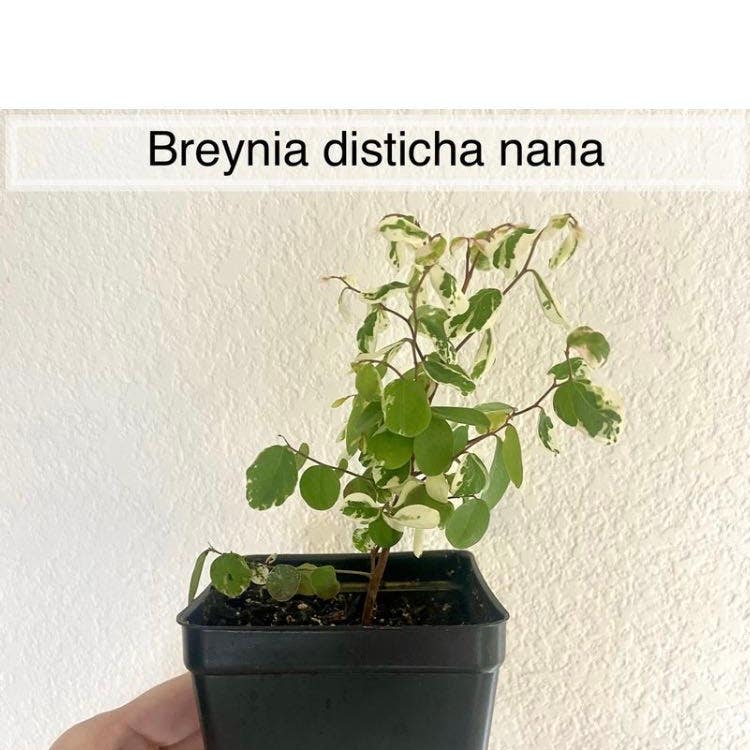
❄️ Best Tips for Snow Bush Health
Breynia disticha 'Rosea Picta'
By the Greg Editorial Team
Oct 22, 2024•6 min read
This article was created with the help of AI so we can cover more plants for you. May contain errors. See one? Report it here.
- 🌱 Identify unhealthy signs early: yellowing leaves and wilting need immediate attention.
- 💧 Watering issues cause wilting; overwatering leads to root rot. Balance is key!
- 🌞 Insufficient light results in leggy growth; relocate your Snow Bush for better health.
Recognizing Unhealthy Snow Bush
Signs of an unhealthy plant 🌱
Identifying an unhealthy Snow Bush early can save it from further decline. Here are the key signs to watch for:
Yellowing Leaves 🍋
Yellowing leaves often indicate stress or nutrient deficiency. If you notice this, it’s time to assess your plant's care routine.
Wilting or Drooping 💧
Wilting or drooping leaves suggest issues with watering or root health. This could mean your plant is either thirsty or drowning.
Fuzzy Growth 🦠
Fuzzy growth is typically a sign of fungal infection or pest presence. If you see this, act quickly to prevent further damage.
Leggy Growth 📏
Leggy growth indicates insufficient light or improper pruning. Your plant may be stretching for light, signaling a need for a brighter spot.
Recognizing these signs early can help you take action and restore your Snow Bush to health. Next, let’s explore common problems specific to Snow Bush care.
Common Problems Specific to Snow Bush
💧 Incorrect Watering
Identifying Overwatering and Underwatering
Overwatering manifests as yellowing leaves, mushy stems, and root rot. In contrast, underwatered plants show signs like wilting, dry leaves, and crispy edges.
Causes of Watering Issues
Watering problems often stem from poor drainage in soil or pots, leading to unwanted water retention. Additionally, inconsistent watering schedules or sudden environmental changes can exacerbate these issues.
Steps to Resolve Watering Problems
- Check soil moisture with your finger; if it feels soggy, reduce watering.
- For underwatered plants, gradually increase watering frequency.
- Use well-draining soil to prevent future issues.
💡 Incorrect Light Conditions
Symptoms of Inadequate or Excessive Light
Inadequate light results in leggy growth, pale leaves, and slow development. Conversely, excessive light can scorch leaves, causing browning tips and leaf drop.
Causes of Light-Related Issues
Light problems often arise from placing the plant in too dark or too bright locations. Seasonal changes can also affect light availability, complicating care.
Solutions for Light Problems
To remedy light issues, move the plant to a location with bright, indirect light. Using sheer curtains can help diffuse harsh sunlight and protect your Snow Bush.
🌡️ Incorrect Temperature
Signs of Temperature Stress
Temperature stress can lead to leaves dropping or wilting in extreme heat or cold. Stunted growth and yellowing leaves may also occur due to temperature fluctuations.
Causes of Temperature-Related Issues
Common causes include exposure to drafts, heating vents, or cold windows. Sudden changes in environmental conditions can also create stress for your plant.
How to Adjust Temperature Conditions
Maintain indoor temperatures between 65°F to 80°F (18°C to 27°C). Use a thermometer to monitor conditions and adjust placement accordingly.
🐛 Pests
Common Pests Affecting Snow Bush
Aphids, spider mites, and mealybugs are common pests that can affect your Snow Bush.
Identifying Pest Infestations
Look for sticky residue on leaves, visible insects, or webbing as signs of an infestation. Early detection is crucial for effective treatment.
Treatment Options for Pests
- Spray with insecticidal soap or neem oil.
- Introduce beneficial insects like ladybugs.
- Regularly inspect and clean leaves to prevent infestations.
🦠 Diseases
Common Diseases and Symptoms
Powdery mildew appears as white, powdery spots on leaves, often due to high humidity. Rust manifests as orange or brown spots, thriving in warm, moist conditions.
Treatment and Prevention Strategies
Improve air circulation and reduce humidity to combat diseases. Apply fungicides as needed and remove any infected plant parts promptly.
🌱 Root Problems
Identifying Root Rot and Squishy Roots
Root rot can be identified by brown, mushy roots, and wilting despite watering. This condition indicates severe underlying issues.
Causes of Root Issues
Overwatering and poor drainage create anaerobic conditions that lead to root problems.
Steps to Rescue the Plant from Root Problems
- Remove the plant from its pot and inspect roots.
- Trim away affected roots and repot in fresh, well-draining soil.
- Adjust watering habits to prevent recurrence.
🍃 Leaf Issues
Symptoms of Scorching, Yellowing, and Fuzzy Growth
Scorching results in brown tips and edges, often due to excessive light. Yellowing can indicate nutrient deficiency or overwatering, while fuzzy growth suggests fungal infection or pest presence.
Causes of Leaf Problems
Inconsistent watering, nutrient imbalances, or pest infestations can lead to leaf issues.
Solutions for Leaf Care
Adjust watering and fertilization schedules to meet the plant's needs. Promptly treat any identified pests or diseases to maintain leaf health.
🌿 Growth Problems
Identifying Growth Issues
Signs of growth problems include lack of new leaves or stems, often due to poor light. If the plant isn't fruiting, it may suffer from insufficient pollination or nutrient issues.
Causes of Growth Problems
Environmental stressors, improper care, or pest infestations can hinder growth.
Steps to Encourage Healthy Growth
- Ensure adequate light and nutrients.
- Prune leggy growth to encourage bushier development.
- Support leaning plants with stakes if necessary.
These insights into common problems will help you maintain a thriving Snow Bush. Next, let’s explore preventive measures to keep your plant healthy year-round.
Preventive Measures
Best Practices for Snow Bush Care 🌿
To keep your Snow Bush thriving, consistent watering is key. Avoid waterlogging by ensuring the soil drains well.
Provide bright, indirect light to promote healthy growth. Shield your plant from extreme temperatures to prevent stress.
Importance of Regular Monitoring 🔍
Regularly inspect your Snow Bush for signs of pests, diseases, or environmental stress. Early detection can save your plant from serious issues down the line.
Seasonal Considerations for Prevention 🍂
Adjust your care routine with the changing seasons. As light and temperature fluctuate, so should your watering and fertilization practices.
By staying proactive, you can ensure your Snow Bush remains vibrant and healthy year-round. This sets the stage for exploring how technology can further enhance your plant care experience.
Using the Greg Plant Care App
🌱 Features of the app for Snow Bush care
The Greg Plant Care App is a game-changer for Snow Bush enthusiasts. You can set reminders for essential tasks like watering, fertilizing, and pest inspections, ensuring your plant gets the care it needs.
Additionally, the app allows you to track your plant's health and growth progress over time. This feature helps you recognize patterns and make informed decisions about your Snow Bush care.
⏰ How to schedule care reminders
Scheduling care reminders is straightforward. Simply input your Snow Bush's specific care needs, and the app will send you timely notifications for interventions.
This proactive approach helps you stay on top of your plant's requirements, reducing the risk of neglect. With the Greg Plant Care App, you can cultivate a thriving Snow Bush with confidence.
As you embrace this technology, you'll find it easier to maintain a healthy plant, leading to a more rewarding gardening experience. Next, let's explore some preventive measures to keep your Snow Bush in top shape.
⚠️ Safety First
This content is for general information and may contain errors, omissions, or outdated details. It is not medical, veterinary advice, or an endorsement of therapeutic claims.
Always consult a qualified healthcare professional before using any plant as food, medicine, or supplement.
Never eat any plant (or feed one to pets) without confirming its identity with at least two trusted sources.
If you suspect poisoning, call Poison Control (800) 222-1222, the Pet Poison Helpline (800) 213-6680, or your local emergency service immediately.
Spotted an error? Please report it here.
Keep your Snow Bush thriving 🌿 by using Greg to set personalized reminders for watering and pest checks, ensuring you catch any issues like yellowing leaves or wilting before they escalate!