❄️ Why Your Snow Bush Buds Won't Open
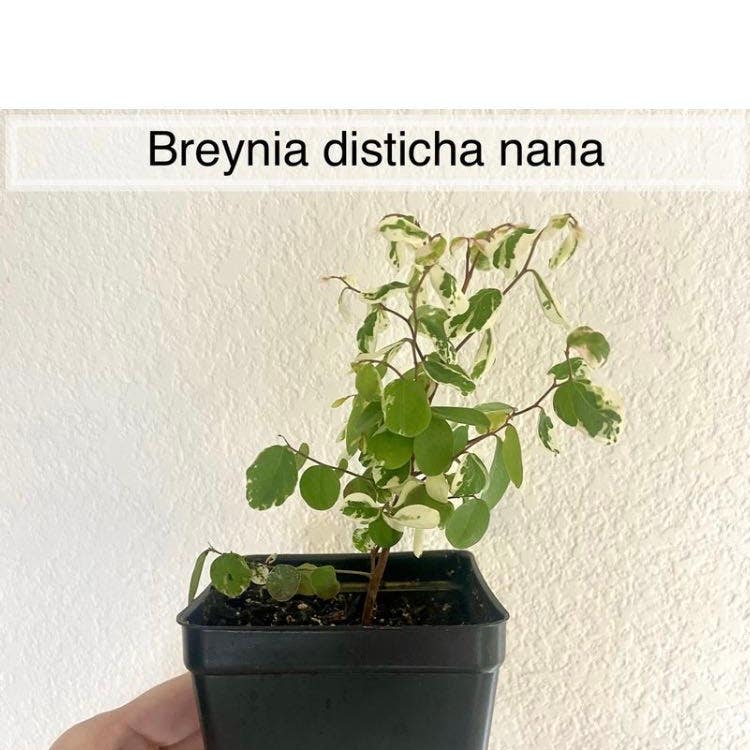
Breynia disticha 'Rosea Picta'
By the Greg Editorial Team
Oct 22, 2024•5 min read
This article was created with the help of AI so we can cover more plants for you. May contain errors. See one? Report it here.
- ☀️ Snow bushes need 6+ hours of sunlight daily for optimal blooming.
- 🌡️ Ideal temperatures for snow bushes are 20°C to 30°C (68°F to 86°F).
- 💧 Balance watering to prevent root rot and stress, ensuring healthy blooms.
Common Reasons for Failure to Bloom
🌞 Insufficient Light Conditions
Snow bushes thrive in full sun to partial shade, requiring at least 6 hours of direct sunlight daily. Without this, you might notice sparse foliage, elongated stems, and a disappointing lack of flower buds.
🌡️ Environmental Stressors
Temperature plays a crucial role in blooming. The optimal range for snow bushes is between 20°C to 30°C (68°F to 86°F); anything outside this can stress the plant and inhibit bud formation.
💧 Improper Watering Practices
Watering is a delicate balance. Overwatering can lead to root rot, severely affecting the plant's health, while underwatering can induce stress and diminish flowering potential.
Understanding these common reasons can help you troubleshoot and nurture your snow bush back to blooming glory. Next, let’s explore factors that can lead to premature flower drop.
Factors Leading to Premature Flower Drop
🌡️ Environmental Factors
Sudden changes in temperature can shock your snow bush, leading to unwanted bud drop. Keeping the plant in a stable environment is crucial for its blooming success.
High winds or heavy rain can also stress the plant physically. These conditions can cause buds to detach prematurely, robbing you of a vibrant display.
🥦 Nutritional Deficiencies
A lack of essential nutrients like nitrogen, phosphorus, and potassium can weaken your flowers significantly. Without these nutrients, your snow bush may struggle to produce healthy blooms.
Watch for signs of deficiency, such as yellowing leaves, stunted growth, and reduced flower size. These indicators can help you identify and address nutritional issues before they escalate.
🐜 Pest Infestation
Common pests like aphids and spider mites can wreak havoc on your snow bush. These pests weaken the plant and can lead to premature bud drop.
Look out for sticky residue on leaves, visible insects, and wilting flowers. Early detection is key to managing infestations and ensuring your plant thrives.
Understanding these factors can help you create a more conducive environment for your snow bush, promoting healthy blooms and vibrant growth. Next, let’s explore the causes of abnormal flower development and how to address them effectively.
Causes of Abnormal Flower Development
🧬 Genetic Factors
Some cultivars of Snow Bush may struggle with flower formation due to inherent genetic issues. This variability can lead to disappointing blooms, even under optimal care.
🌧️ Environmental Stress
Inconsistent watering practices can wreak havoc on flower development. Fluctuations in moisture levels often result in malformed flowers that fail to impress.
Poor drainage is another culprit. When roots sit in waterlogged soil, they can suffer, leading to compromised flower quality.
⚖️ Nutritional Imbalances
Excessive nitrogen can create a lush, green plant but at the cost of flowers. This imbalance often results in a beautiful bush that lacks the blooms you desire.
On the flip side, a lack of phosphorus is detrimental to flower development. Without this essential nutrient, you may notice poor bloom quality and reduced flowering altogether.
Understanding these factors can help you troubleshoot and enhance your Snow Bush's flowering potential. Next, let’s explore the nutritional needs essential for optimal flowering.
Nutritional Needs for Optimal Flowering
🌱 Essential Nutrients for Flowering
To achieve vibrant blooms, your Snow Bush needs a balanced diet of key nutrients. Nitrogen, phosphorus, potassium, and various micronutrients play crucial roles in plant health.
Nitrogen fuels growth, ensuring lush foliage. Phosphorus is vital for flower development, while potassium supports overall plant vitality.
⚠️ Signs of Nutritional Deficiencies
Watch for yellowing leaves, which often signal a nitrogen deficiency. If you notice poor flower formation, it may indicate a lack of phosphorus.
🌼 Recommended Fertilizers for Snow Bush
For optimal results, consider using balanced NPK fertilizers, like a 10-10-10 mix, or slow-release options. Apply these fertilizers every 4-6 weeks during the growing season to keep your Snow Bush thriving.
By addressing these nutritional needs, you can enhance your plant's flowering potential and enjoy a more vibrant garden. Next, let’s explore effective pruning techniques that can further encourage those beautiful blooms.
Pruning Techniques for Encouraging Blooms
🌿 Best Practices for Pruning
Pruning your Snow Bush is essential for promoting healthy blooms. Aim to prune in late winter or early spring, just before new growth begins.
Remove any dead or damaged branches to improve the plant's overall health. Shaping the plant also encourages better airflow, which is crucial for preventing diseases.
⏰ Timing of Pruning for Optimal Flower Development
Timing is everything when it comes to pruning. If you prune too late in the season, you risk cutting off potential flower buds.
This can lead to a disappointing bloom season, so keep an eye on the calendar and act accordingly.
⚠️ How Improper Pruning Affects Flowering
Excessive pruning can do more harm than good. It can lead to reduced flowering and increased stress on the plant.
Signs of stress include wilting leaves and fewer buds forming. By following proper pruning techniques, you can help your Snow Bush thrive and bloom beautifully.
With these pruning tips in mind, you're well on your way to ensuring a vibrant display of flowers. Next, let’s explore the nutritional needs that will further support your Snow Bush's blooming potential.
⚠️ Safety First
This content is for general information and may contain errors, omissions, or outdated details. It is not medical, veterinary advice, or an endorsement of therapeutic claims.
Always consult a qualified healthcare professional before using any plant as food, medicine, or supplement.
Never eat any plant (or feed one to pets) without confirming its identity with at least two trusted sources.
If you suspect poisoning, call Poison Control (800) 222-1222, the Pet Poison Helpline (800) 213-6680, or your local emergency service immediately.
Spotted an error? Please report it here.
Give your snow bush the care it craves 🌱 with Greg's tailored reminders and nutrient tracking to ensure those buds bloom beautifully!