❄️ When and Where to Prune Your Snow Bush
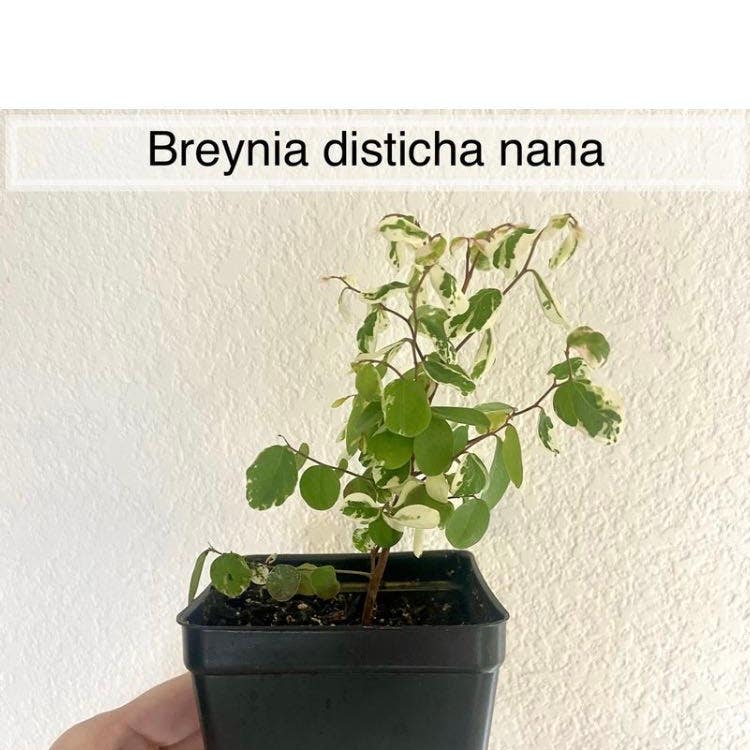
Breynia disticha 'Rosea Picta'
By the Greg Editorial Team
Oct 22, 2024•6 min read
This article was created with the help of AI so we can cover more plants for you. May contain errors. See one? Report it here.
- ✂️ Use sharp tools for clean cuts; loppers for thicker branches ensure better results.
- 🌼 Prune in early spring or late summer for optimal growth and flowering.
- 🧤 Always wear gloves to protect hands from sap and sharp edges while pruning.
Recommended Tools for Pruning
When it comes to pruning your snow bush, having the right tools is essential. Using sharp, clean tools not only makes the job easier but also ensures healthier cuts.
✂️ Pruning Shears
Pruning shears are your go-to for precise cuts on smaller branches. Look for a pair with sharp, clean blades to minimize damage to the plant.
🌳 Loppers
For thicker branches, especially those over an inch in diameter, loppers are indispensable. Their long handles give you the leverage needed to make clean cuts without straining yourself.
🧤 Gloves
Don’t forget to wear gloves! They protect your hands from sap and sharp edges, making the pruning process safer and more comfortable.
🧼 Disinfectant
Before you start, clean your tools with a disinfectant. This simple step helps prevent the spread of diseases between plants, keeping your garden healthy.
With the right tools in hand, you're ready to tackle pruning with confidence. Next, let’s explore the best timing for pruning your snow bush to maximize its health and beauty.
Timing for Pruning
Best Seasons for Pruning 🌸
Timing is everything when it comes to pruning your snow bush. The best seasons are early spring, just before new growth kicks in, and late summer, after the flowering has wrapped up.
Signs Indicating When to Prune 👀
Look for clear signs that it's time to prune. If you notice overgrowth, with branches extending beyond the desired shape, or a leggy appearance with sparse foliage, it’s time to act.
Additionally, keep an eye out for dead or damaged branches, which can indicate disease or stress. Addressing these issues promptly will keep your snow bush healthy and vibrant.
Effects of Pruning at Different Times of the Year ⏰
Pruning in spring can lead to vigorous growth and abundant flowering. However, summer pruning should be approached with caution; if done too late, it may reduce flowering potential.
Fall pruning is generally not recommended due to the risk of frost damage. It’s best to avoid this timing to ensure your snow bush thrives through the colder months.
With the right timing and attention to detail, your snow bush will flourish beautifully. Next, let’s explore the importance of deadheading to maintain its health and aesthetics.
Deadheading
🌼 Importance of Deadheading for Health
Deadheading is crucial for maintaining the health of your snow bush. By removing spent flowers, you encourage new blooms and prevent the plant from wasting energy on seed production.
This simple practice not only enhances the overall appearance of your bush but also promotes bushier growth. A well-deadheaded plant looks vibrant and full of life.
✂️ Step-by-Step Instructions for Deadheading
- Identify spent flowers: Look for wilted or brown blooms that need removal.
- Use clean pruning shears: Ensure your tools are sanitized to prevent disease.
- Cut just above the first set of healthy leaves: This encourages fresh growth.
- Dispose of dead flowers: Proper disposal helps prevent the spread of disease.
Following these steps makes deadheading easy and effective, ensuring your snow bush thrives.
🌸 Benefits of Deadheading on Flowering and Growth
Deadheading extends the blooming period, encouraging multiple flushes of flowers throughout the season. This not only keeps your garden lively but also enhances air circulation, reducing the risk of fungal diseases.
Additionally, it maintains the aesthetics of your plant, keeping it looking tidy and vibrant. A little effort in deadheading goes a long way in ensuring your snow bush remains a stunning focal point in your garden.
With these insights, you're well-equipped to keep your snow bush flourishing. Next, let’s explore common pruning mistakes to avoid for optimal plant health.
Common Pruning Mistakes
Mistakes to Avoid 🌪️
Pruning can be a delicate art, and common mistakes can lead to stress for your snow bush.
- Over-pruning: Removing too much foliage can weaken the plant, making it vulnerable to pests and diseases.
- Incorrect cuts: Cutting too close to the stem can damage the plant and hinder its ability to heal.
- Ignoring growth habits: Not considering the specific variety’s growth pattern can result in uneven or unhealthy growth.
How to Correct Over-Pruning or Improper Cuts 🔧
If you find yourself in a pruning predicament, don’t panic.
- Assess the extent of damage: Take a close look at the affected areas to identify what needs recovery.
- Allow time for recovery: Give your snow bush a break; avoid further pruning for at least one season to let it bounce back.
- Monitor for new growth: Keep an eye on the plant and encourage healthy regrowth through proper care.
By being mindful of these common mistakes and knowing how to correct them, you can ensure your snow bush thrives beautifully.
Next, let’s explore some aesthetic pruning techniques to enhance your plant's visual appeal.
Aesthetic Pruning Techniques
🌿 Techniques for Enhancing Visual Appeal
Aesthetic pruning is all about making your snow bush look its best. Start with shaping; selective pruning helps create a balanced, rounded shape that enhances the plant's natural beauty.
Next, consider thinning. By removing inner branches, you improve light penetration and air circulation, which not only boosts the plant's health but also makes it visually appealing.
✂️ Achieving a Balanced Shape
To maintain that perfect shape, regularly assess your snow bush. Prune strategically to keep the symmetry intact, ensuring it looks great from every angle.
Using a guideline can be incredibly helpful. Visualize the desired shape before you start cutting to avoid any missteps.
Finally, don’t forget to step back frequently. This allows you to check the overall appearance and make adjustments as needed, ensuring a balanced look that will impress anyone who sees it.
With these techniques, your snow bush will not only thrive but also become a stunning focal point in your garden. Now that you know how to enhance its visual appeal, let’s explore post-pruning care to keep your plant healthy and vibrant.
Post-Pruning Care
Care Tips After Pruning 🌱
After pruning your snow bush, proper care is essential for its recovery. Start with consistent watering to keep the soil moist but avoid waterlogging, which can lead to root rot.
Next, consider fertilization. Applying a balanced fertilizer will support new growth and help your plant bounce back stronger than ever.
Finally, mulching is a great practice. Use organic mulch to retain moisture and suppress weeds, creating a healthier environment for your snow bush.
Signs of Stress or Health Issues Post-Pruning ⚠️
Keep an eye out for signs that your plant may be struggling. Wilting leaves are a clear indicator of insufficient water or stress, so adjust your watering routine as needed.
Yellowing foliage can suggest nutrient deficiencies or disease, signaling that your snow bush needs attention.
Additionally, if you notice reduced flowering, it could indicate improper timing or technique in your pruning efforts. Address these issues promptly to ensure your snow bush thrives.
By following these care tips and monitoring for signs of stress, you can help your snow bush recover beautifully. Next, let’s explore common pruning mistakes to avoid for a healthier plant.
⚠️ Safety First
This content is for general information and may contain errors, omissions, or outdated details. It is not medical, veterinary advice, or an endorsement of therapeutic claims.
Always consult a qualified healthcare professional before using any plant as food, medicine, or supplement.
Never eat any plant (or feed one to pets) without confirming its identity with at least two trusted sources.
If you suspect poisoning, call Poison Control (800) 222-1222, the Pet Poison Helpline (800) 213-6680, or your local emergency service immediately.
Spotted an error? Please report it here.
Prune your snow bush like a pro ✂️ with Greg's tailored care reminders and expert tips, ensuring it thrives and dazzles in your garden!